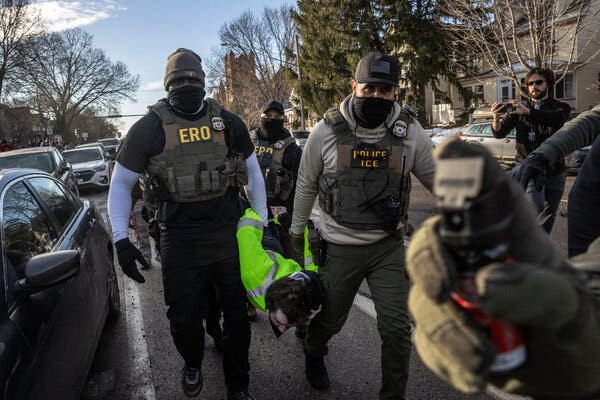
A federal judge in Minnesota has taken the extraordinary step of ordering the acting head of U.S. Immigration and Customs Enforcement (ICE) to appear in court after what the judge described as repeated violations of judicial orders — a confrontation that underscores mounting legal, civil liberties, and enforcement tensions in the state. Acting ICE Director Todd Lyons was summoned to explain why detained immigrants were denied required hearings and why the agency repeatedly ignored nearly 100 court directives, raising serious constitutional and governance concerns.
This development matters now because it highlights deepening conflicts between federal immigration enforcement under the Trump administration and the federal judiciary’s efforts to uphold due process and legal standards — even as broader protests and legal challenges unfold across Minnesota and beyond.
Federal Judiciary’s Growing Frustration With ICE Compliance
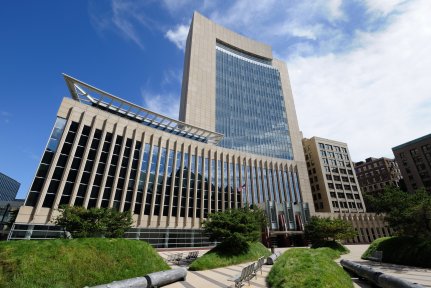
U.S. District Judge Patrick J. Schiltz issued the order after months of mounting evidence that ICE, which leads deportation and detention operations nationwide, failed to comply with court orders regarding procedural rights for immigrants detained in Minnesota. Schiltz publicly warned that his court’s “patience is at an end” as countless detained immigrants did not receive timely bond hearings or legal protections mandated by prior rulings.
This confrontation is highly unusual because federal judges rarely summon agency heads to personally appear in court. Threatening contempt proceedings underscores the seriousness with which the judiciary views adherence to its orders — and reflects broader scrutiny of ICE’s conduct amid aggressive enforcement operations, including a deployment known as “Operation Metro Surge.”
Though the immediate contempt threat was later paused after ICE complied in a specific instance, Judge Schiltz strongly reprimanded the agency’s pattern of ignoring court directives.
Why the Order Sparks Broader Legal and Social Debate
Legal experts say the judge’s intervention highlights an ongoing constitutional struggle: the rule of law versus executive enforcement discretion. Federal judges have repeatedly found components of ICE’s enforcement actions — including mandatory detention policies — to conflict with established federal law or procedural protections.
The conflict also intersects with other legal actions in Minnesota. Another federal judge blocked a policy tied to refugee arrests, ruling that lawful refugees should not be detained without valid immigration charges.
Critics — including civil rights groups and local officials — argue that ICE’s failure to honor judicial rulings undermines constitutional rights, heightens distrust of federal law enforcement, and erodes the judicial branch’s authority. Supporters of the administration counter that federal immigration operations are necessary to enforce national laws and that legal disputes are expected in such high-stakes policy areas.
Community Impact and Public Reaction
The controversy over courtroom compliance has unfolded amid widespread public unrest and protests in Minnesota, sparked by fatal shootings involving federal agents and aggressive immigration enforcement activity. Advocates say the federal presence has created an atmosphere of fear and legal uncertainty in immigrant communities, while critics of protest restrictions argue civil liberties are being compromised.
Local leaders, including state officials and city authorities, have sued the federal government to halt certain aspects of the immigration surge, citing constitutional violations and public safety concerns.
Meanwhile, national attention on ICE’s conduct has intensified support for legislative efforts to impose greater oversight on immigration enforcement and safeguard detainee rights.
Federal Enforcement at a Crossroads
This legal clash signals a critical moment in how the U.S. balances vigorous immigration enforcement against constitutional and procedural safeguards. The Minnesota judge’s actions reflect a broader judicial trend seeking accountability when federal agencies, including ICE, are alleged to overstep or ignore clear legal directives.
The outcomes of this case and related suits will shape how future immigration operations are conducted, particularly regarding detainee rights, judicial oversight, and the separation of powers between branches of government.
What Comes Next?
Litigation and political pressure around immigration policy are expected to continue. ICE’s compliance with judicial orders will likely be monitored closely by courts, civil rights advocates, and lawmakers. Further hearings may explore whether additional sanctions or procedural reforms are necessary to ensure ICE follows court mandates.
In the meantime, affected communities and immigrant advocates remain vigilant, emphasizing the need for transparent and lawful enforcement practices that respect due process and human rights.
Subscribe to trusted news sites like USnewsSphere.com for continuous updates.