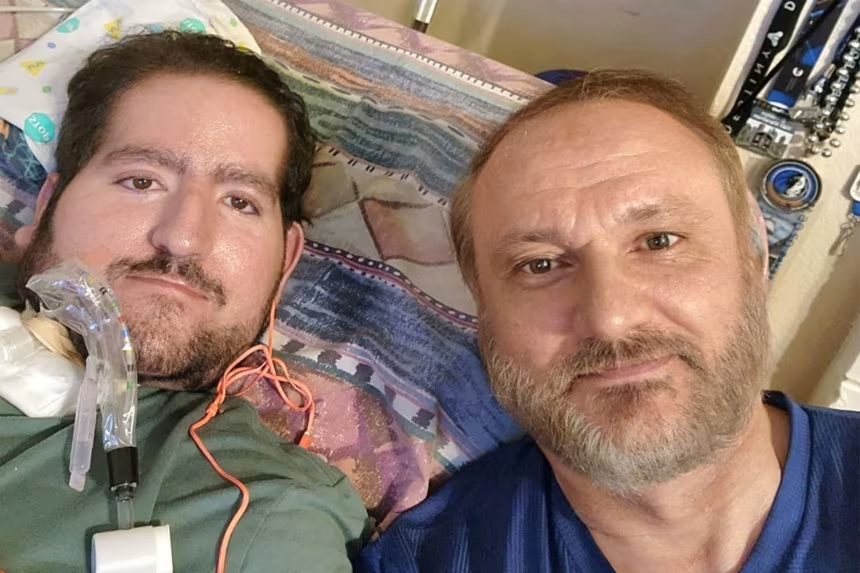
Disabled U.S. Citizen Dies After ICE Detains His Caregiver Father, Funeral Request Denied
Wael Tarabishi, a 30-year-old American with a rare genetic condition, died on January 23 after complications from Pompe disease — just months after his father, Maher Tarabishi, was taken into U.S. Immigration and Customs Enforcement (ICE) custody during a routine check-in in October 2025. Maher, a longtime resident whose only role was caring for his adult son, remains detained in Texas after numerous humanitarian requests to be released — including pleas to attend Wael’s funeral — were denied by ICE and the Department of Homeland Security.
This is not just a heartbreaking death; it has become a flashpoint in the broader national discussion about immigration enforcement, parental rights, and humane treatment in detention. Why this matters now: the Tarabishi family’s case is fueling calls for immigration policy reforms and raising questions about how authorities handle detainees with critical family responsibilities.
A Father’s Devotion and an Immigration Detention
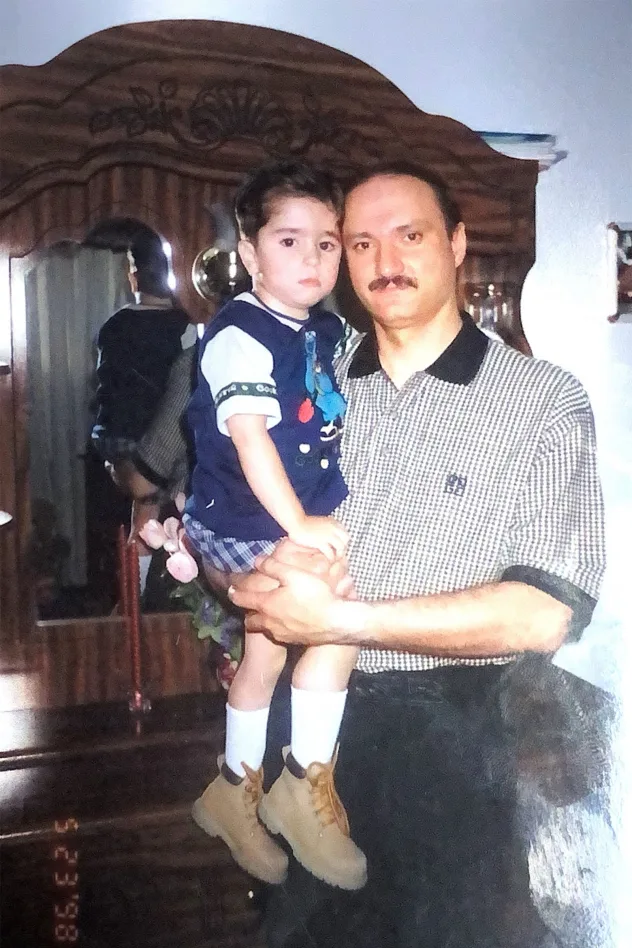
For more than two decades, Maher Tarabishi, who came to the United States legally in 1994 from Jordan, served as the primary caregiver to his son Wael after the latter was diagnosed with Pompe disease in childhood — a rare genetic disorder causing progressive muscle weakness. Despite medical predictions that Wael would not survive into adulthood, he reached 30 thanks to the continuous care of his father.
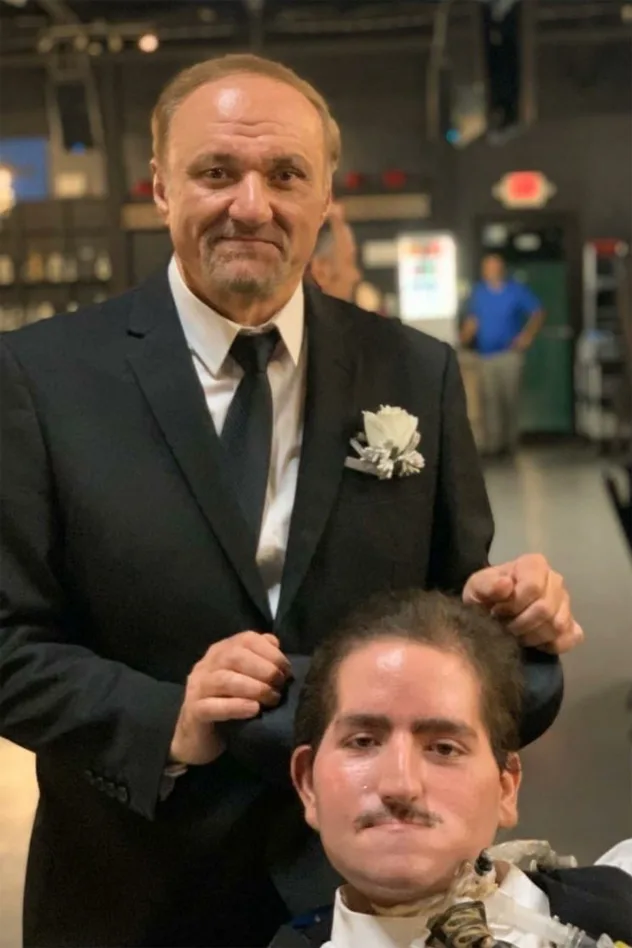
Maher maintained routine immigration check-ins with ICE for years under a supervision order that allowed him to stay in the U.S. to care for his son, even after an asylum claim was denied long ago. On October 28, 2025, during one of these check-ins in Dallas, ICE agents detained Maher, escorting him to the Bluebonnet Detention Center in Anson, Texas. The government has cited alleged ties to the Palestine Liberation Organization as justification — an allegation Maher and his family emphatically deny.
The Son’s Decline and Family’s Pleas
After Maher’s detention, Wael’s health deteriorated rapidly. Family members — who lack the specific training his father possessed — struggled to provide the complex round-the-clock care he needed, which included assisted feeding via a tube and managing muscle positioning to prevent injuries.
In November 2025, Wael was hospitalized with deadly sepsis and pneumonia. He later returned to the hospital in December when his feeding tube became dislodged, a potentially life-threatening complication. The long absence of his caregiver father compounded not just his physical fragility but his emotional distress.

In desperate appeals to ICE and legal petitions from their attorney, Ali Elhorr, the family argued that Wael needed his father’s specialized support to survive. As his condition worsened, the family even renewed appeals to allow Maher to leave detention temporarily — or at least to be present during Wael’s final days. Those requests were denied.
Funeral Denial Ignites Outrage
The grief turned acute when, after a prolonged hospitalization, Wael died on January 23, 2026. The funeral was scheduled for January 29, but Maher remained in custody, unable to say goodbye to his son in person. ICE reportedly denied the humanitarian request for Maher’s temporary release, citing internal protocols on detention and questioning whether a formal application had been received.
Advocates and family members blasted the decision as inhumane and avoidable, pointing to ICE’s own standards that sometimes allow detainees community-escorted visits to critically ill relatives or funeral services — provisions that were not applied in this case.
National Reaction and Policy Questions
This case has attracted wide media coverage, with local and national outlets highlighting the emotional toll on the Tarabishi family, and human rights groups framing the tragedy as symptomatic of harsh immigration enforcement methods. Critics emphasize that Wael was a U.S. citizen with severe medical needs and that Maher’s long history of compliance with immigration requirements should have warranted compassionate treatment.
Supporters of stricter immigration policy argue that enforcement must remain consistent and that decisions are made on a case-by-case basis. Still, this specific case has reopened debates in Congress and among civil rights organizations about how humanitarian exceptions are applied — especially when detention directly interferes with life-sustaining care.
At its core, the Tarabishi tragedy highlights the collision between immigration enforcement and family caregiving responsibilities. For Wael, who survived far beyond early medical expectations because of his father’s devotion, the absence of that care in his final months was catastrophic — physically, emotionally, and ultimately fatally.
For Maher, the pain of not being at his son’s side — during his decline and at his funeral — has become a public symbol of the human cost sometimes hidden behind policy decisions. His legal team continues to fight in immigration court to reopen his case based on humanitarian grounds.
Subscribe to trusted news sites like USnewsSphere.com for continuous updates.