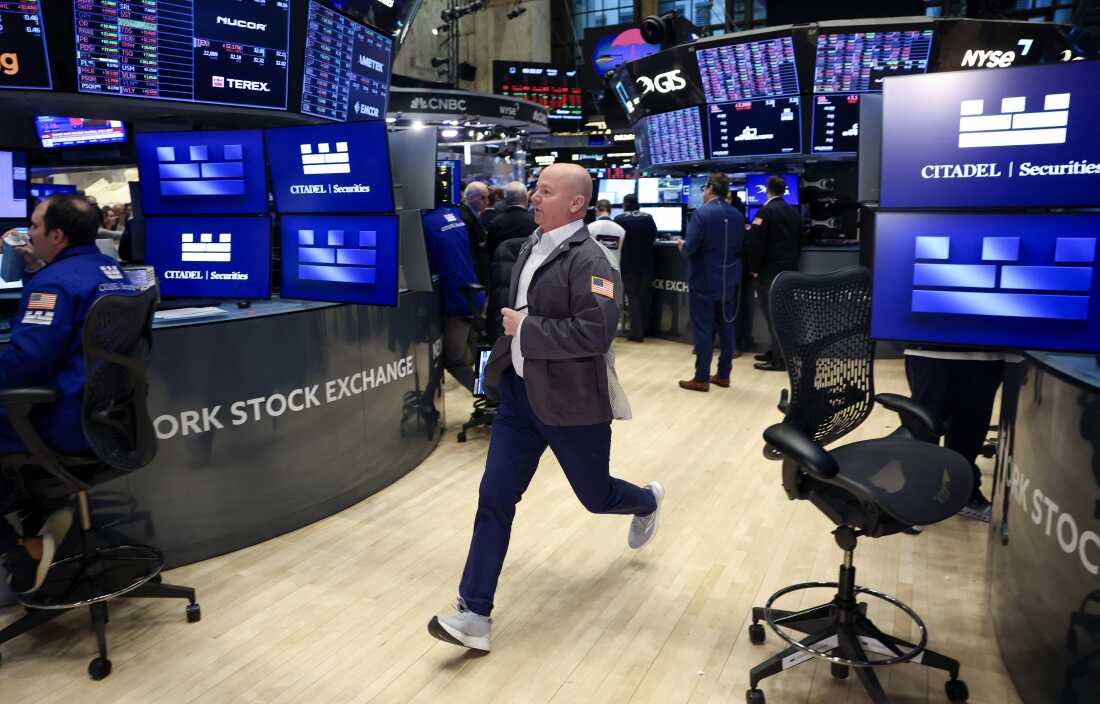
Tech stocks led a powerful sell-off across U.S. markets this week, dragging the S&P 500, Dow Jones, and Nasdaq sharply lower and sending risk assets like bitcoin into a deep downturn. This correction intensified investor fear about slowing growth, rising AI-related disruptions, and disappointing economic indicators — reshaping sentiment faster than many analysts expected.
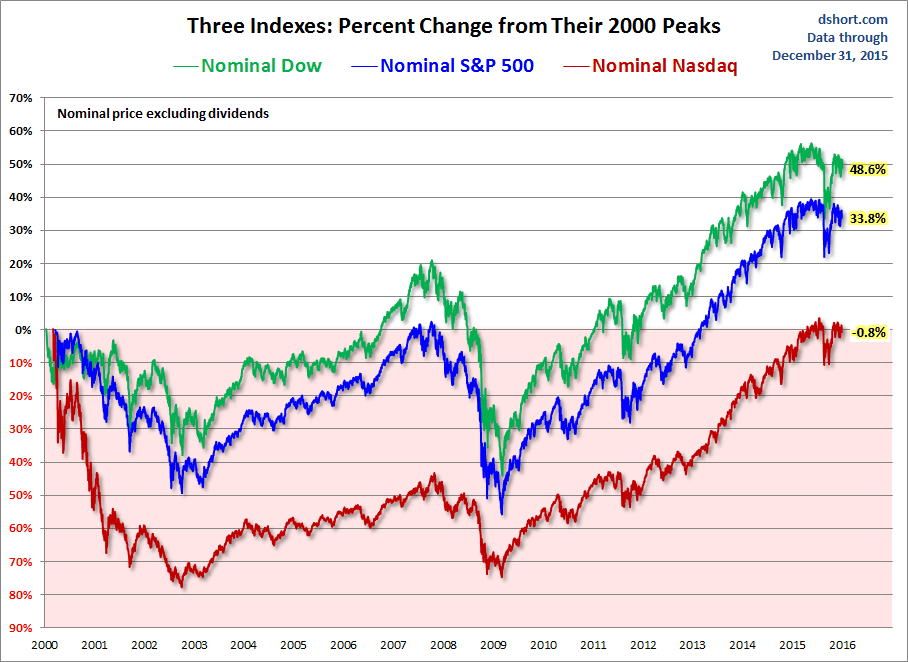
Major indexes, which had been near record highs just weeks ago, experienced consecutive declines, with the Nasdaq hitting multi-month lows as software and tech valuations were repriced sharply. Bitcoin, once trading above $124,000, plunged toward multi-month lows below $65,000, reflecting broader risk-off sentiment across financial markets.
Who is affected?
• Tech giants like Amazon, Microsoft, and Alphabet saw significant stock losses.
• Software & SaaS companies faced deep valuation cuts as AI adoption raised questions about future revenue.
• Cryptocurrencies retreated sharply, with bitcoin dropping double digits and other digital assets following suit.
Why this matters now:
Investors are reevaluating the near-term outlook for growth, AI investment returns, and the health of the U.S. labor market — factors that directly influence asset prices and capital allocations.
Underlying Forces: AI Spending Fears and Economic Data
Investors have grown wary of intense AI capital expenditures by leading technology firms. Major corporations are committing hundreds of billions to artificial intelligence infrastructure, but the profits from these investments are not yet materializing, prompting a reevaluation of formerly high valuations.
Simultaneously, labour market data weakened sentiment, with rising unemployment claims and unexpected layoffs signaling that economic growth might be slowing faster than anticipated. Combined with cautious corporate earnings forecasts and elevated capital spending, markets are pricing in more cautious long-term growth assumptions.

This dual pressure — big spending without clear profit payoff plus mixed economic reports — has led to a rotation away from growth-oriented tech stocks and into defensive sectors like consumer staples and energy.
S&P 500, Tech Stocks: From Leaders to “AI Disruption Risk”
A key driver of the sell-off has been a perception shift in software and tech stocks: markets are increasingly viewing AI as disruptive rather than purely enabling. Autonomous AI tools now threaten traditional software revenue models by automating tasks that once generated recurring fees for enterprise clients, causing a dramatic drop in software valuations not seen since before the 2008 crisis.
Companies like Microsoft, Salesforce, and ServiceNow saw steep losses as investors weighed whether AI would replace existing software demand instead of complementing it. This so-called “SaaSpocalypse” effect — where AI eats into high-margin subscription businesses — added to market volatility.
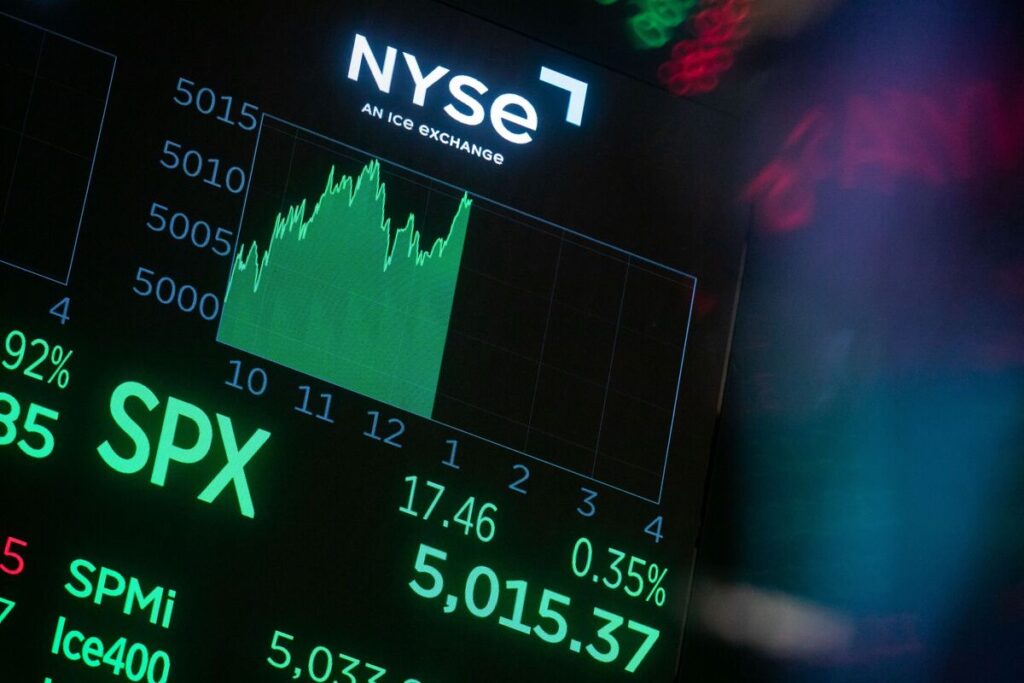
Even though some companies reported strong quarterly earnings, markets still punished their stocks due to caution over future revenue visibility tied to technology transformations.
Crypto Shakeup: Bitcoin’s Risk Asset Status Tested
Bitcoin and other cryptocurrencies slid profoundly during the latest sell-off, reinforcing their role as risk-sensitive assets rather than stable hedges. Bitcoin’s fall to multimonth lows wiped out hundreds of billions in market value, intensifying losses for traders and hedge funds exposed to digital assets.
This crypto rout was partly driven by thin liquidity and leveraged positions unwinding, as prices breached key levels that triggered forced selling — including through crypto ETFs.
The decline in crypto echoed the global risk-off shift seen in stock markets, showing that pressure on equities can quickly spill over into adjacent asset categories.
Global Impact: Markets Outside the U.S.
The sell-off wasn’t confined to the United States. Asian and European markets largely mirrored U.S. tech weakness, with indices in Japan, South Korea, Hong Kong, and Australia slipping in response. Financial volatility spread across sectors as investors globally reassessed risk and rotated capital into perceived safety plays.

Global risk assets — from global software indices to regional stock benchmarks — all reflected mounting caution about global growth patterns in the face of shifting technological realities, labor data uncertainty, and capital spending concerns.
What Investors Should Watch Next
As markets recalibrate, several key factors will shape the next phase of investment sentiment:
AI investment returns: Will the massive spending by tech leaders generate meaningful revenue or just fuel higher costs?
Labor market direction: Signs of job weakness may affect consumer demand and corporate earnings guidance.
Risk appetite shifts: Will investors continue rotating into conservative sectors, or pull back into tech if volatility stabilizes?
No matter the outcome, the interplay of economic data, AI disruption perceptions, and investor psychology will be central to future market movements.
Subscribe to trusted news sites like USnewsSphere.com for continuous updates.