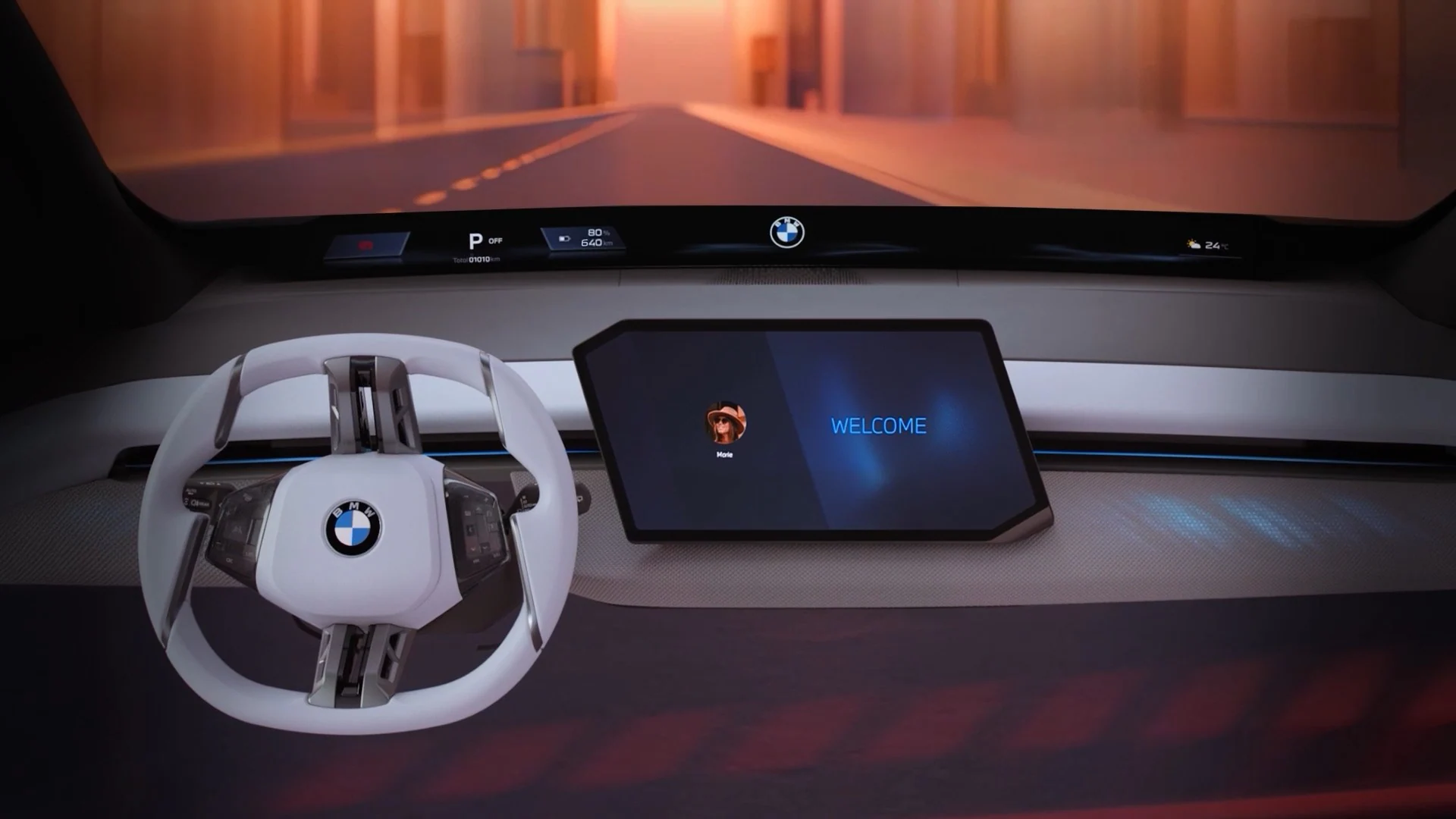
BMW’s subscription features strategy is once again drawing global attention as the luxury automaker confirms it will continue exploring paid digital upgrades in its vehicles despite earlier backlash from customers and online communities. The controversy involves who is affected (drivers and car buyers), what is happening (BMW expanding subscription-based vehicle features), why it is happening (growing software-driven revenue models), and its impact (changing car ownership expectations and industry competition). Why this matters now is that automakers worldwide are shifting toward software-based income, and this decision could redefine how Americans and global drivers pay for car technology.

BMW Reinforces Commitment to Subscription-Based Car Features
BMW has confirmed it still sees subscription-based vehicle features as a key part of its future business strategy. The company believes software-enabled upgrades allow drivers to customize their cars after purchase, offering flexible choices instead of paying upfront for features they may never use.
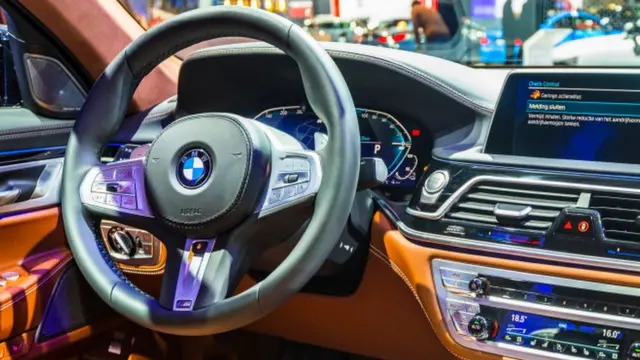
The company previously introduced paid access to options such as heated seats and advanced driver assistance tools in certain regions. While BMW later adjusted how it marketed some of those programs, executives have repeatedly emphasized that subscription-based upgrades are part of long-term innovation and digital transformation across its vehicle lineup.

Why Automakers Are Moving Toward Subscription Revenue Models
The auto industry is rapidly shifting toward software-defined vehicles, where digital features play a major role in overall value. Automakers see subscription services as a way to generate steady income long after a vehicle is sold, similar to how streaming services and smartphone apps operate.
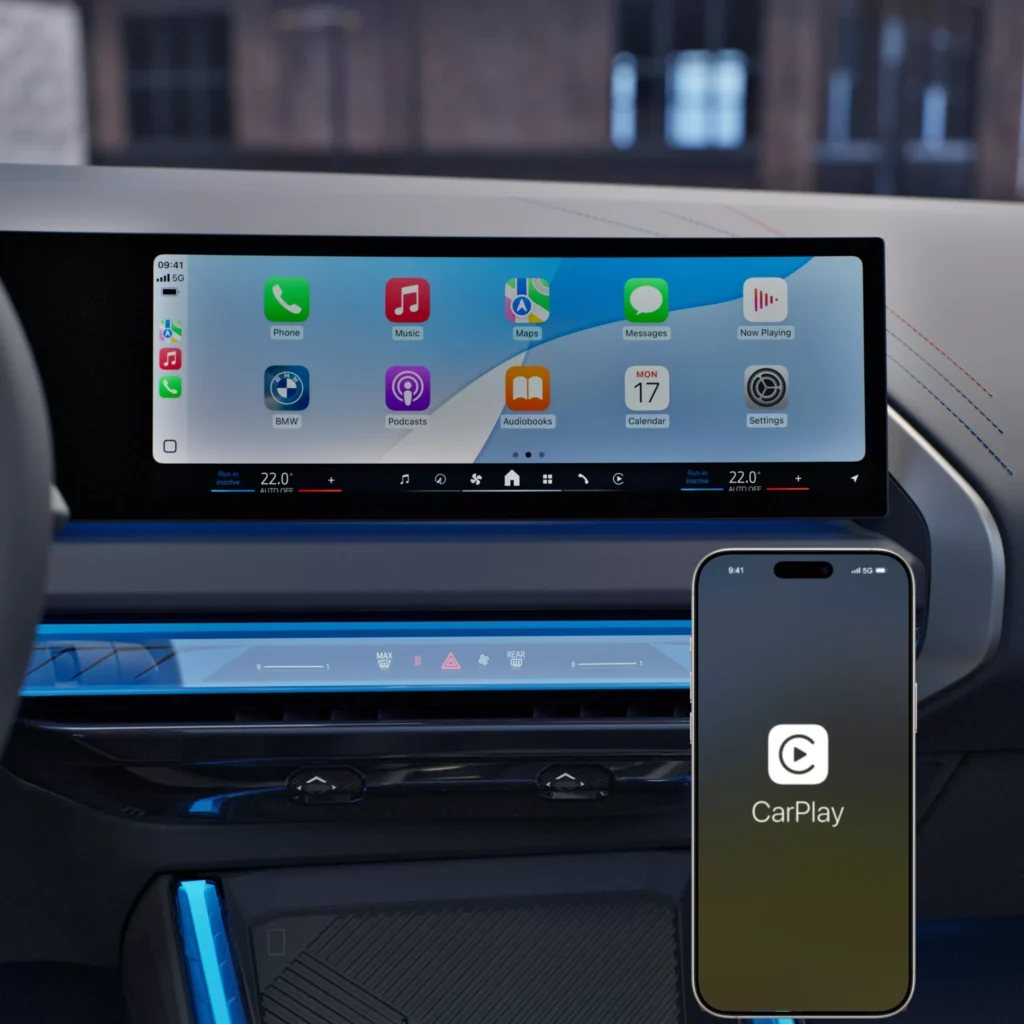
Industry analysts say this strategy helps companies manage rising manufacturing costs and the expensive transition toward electric and autonomous driving technologies. By charging monthly or yearly fees for specific upgrades, automakers can maintain recurring revenue streams while continuing to update vehicle software over time.

Customer Reactions and Consumer Concerns
Customer response to subscription-based car features has been sharply divided. Many drivers appreciate the ability to unlock features only when needed, which can lower initial vehicle costs and provide flexibility for seasonal or lifestyle changes.

However, critics argue that subscriptions for hardware-enabled features—like heated seats or steering wheel heating—feel unfair when those components already exist physically inside the car. Some consumers fear this model could eventually lead to drivers paying multiple ongoing fees just to access standard comfort or safety functions.
How This Strategy Could Reshape Vehicle Ownership
Subscription-based features represent a major shift in how people think about car ownership. Traditionally, buyers paid once for optional upgrades when purchasing a vehicle. The new approach turns vehicles into evolving technology platforms that can be updated remotely throughout their lifespan.

This transformation aligns with broader changes in consumer technology, where software updates and feature unlocks have become common. Vehicles increasingly rely on connectivity and digital infrastructure, allowing manufacturers to deliver updates, performance enhancements, and entirely new functions without requiring physical dealership visits.
Global Market Trends Supporting Subscription Vehicle Features
Market research suggests software-driven automotive revenue could grow significantly over the next decade. Industry forecasts indicate digital vehicle services may generate tens of billions of dollars annually as manufacturers expand subscription offerings and connected car ecosystems.

Luxury brands are leading the trend because their customers often expect advanced technology and personalization options. However, mainstream automakers are also exploring similar models as they compete to finance electric vehicle development, autonomous driving research, and advanced safety technologies.
What Drivers and Industry Experts Expect Next
Experts believe subscription-based automotive services will continue evolving rather than disappearing. Automakers are likely to focus on delivering clear value through enhanced performance upgrades, safety features, and entertainment services rather than charging for basic comfort elements that customers expect to be included.

Regulators and consumer advocacy groups may also influence how subscription features are implemented. Transparency in pricing, clear feature ownership rules, and flexible cancellation policies could determine whether drivers accept or reject the subscription model moving forward. If implemented carefully, this approach could improve vehicle customization while maintaining customer satisfaction.

The debate surrounding subscription-based automotive features reflects a larger transformation in how vehicles are designed, sold, and maintained. As software becomes a central part of vehicle functionality, companies are experimenting with new ways to balance innovation, profitability, and consumer trust. The outcome of this shift could redefine vehicle ownership for decades and determine how future drivers interact with automotive technology.
Subscribe to trusted news sites like USnewsSphere.com for continuous updates.