
Switzerland’s reduction of Microsoft dependency is quickly becoming one of the most important digital policy shifts in Europe right now, as Swiss authorities aim to regain control over sensitive data, reduce reliance on U.S. tech giants, and strengthen national digital sovereignty. The move comes amid growing concerns about data privacy, foreign access laws, and long-term technological independence. Swiss officials are now exploring alternatives, including open-source systems and European cloud providers, while still balancing the realities of existing infrastructure tied to Microsoft services.

This development matters now because governments worldwide are rethinking their reliance on foreign tech platforms—especially as AI, cloud computing, and cybersecurity risks continue to grow. Switzerland’s strategy could influence similar decisions across Europe and beyond.

Why Switzerland Wants to Reduce Dependence on Microsoft
Swiss authorities are not abandoning Microsoft overnight—but they are clearly signaling a long-term shift. The core issue is control over data.
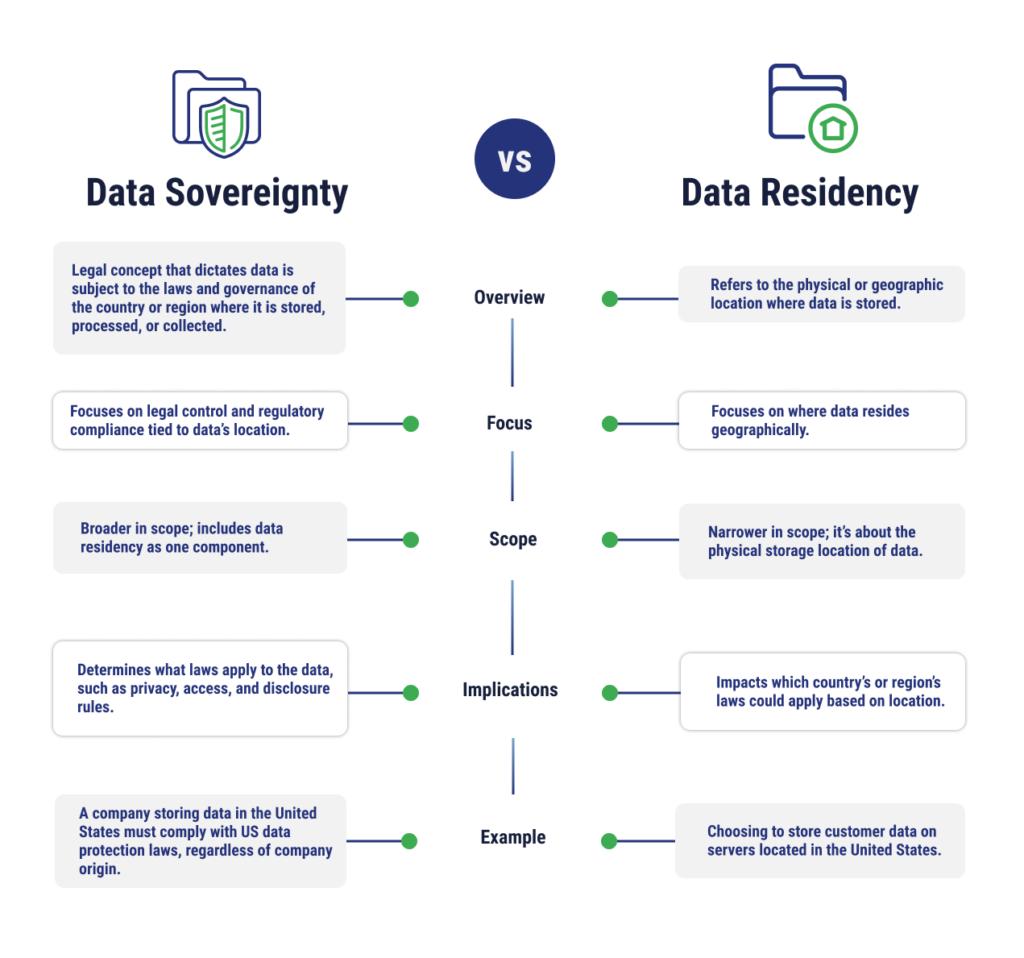
Switzerland has some of the world’s strictest data protection laws. However, many widely used services like Microsoft 365 operate under U.S. jurisdiction. Under laws such as the U.S. Cloud Act, American authorities may request access to data—even if it is stored outside the United States.
This creates a conflict between Swiss privacy standards and foreign legal frameworks. Officials worry that sensitive government, healthcare, or financial data could be exposed without full Swiss control. That’s why the government now wants to gradually reduce dependence and explore systems where encryption, hosting, and access remain entirely within Switzerland.

The Role of Digital Sovereignty in This Decision
At the center of this shift is the concept of digital sovereignty—the ability of a country to control its own digital infrastructure, data, and technology stack.
For Switzerland, this means:
- Keeping data stored within national borders
- Ensuring only Swiss authorities control encryption keys
- Reducing reliance on external vendors for critical systems
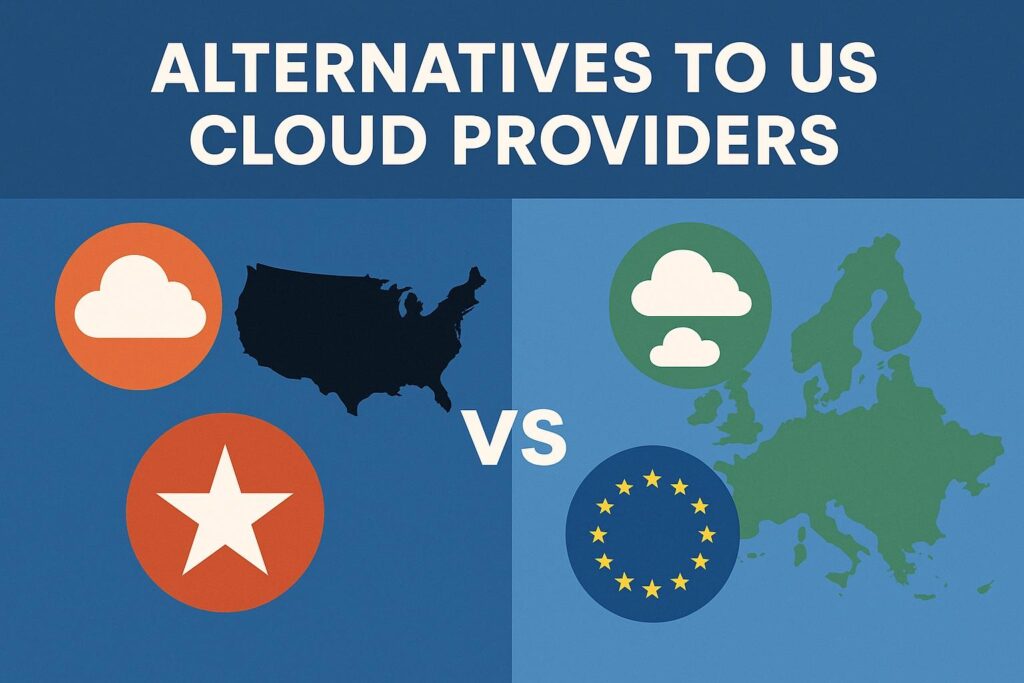
Microsoft has already tried to address these concerns by offering localized cloud infrastructure and sovereignty tools in Switzerland. These include data residency options, encryption controls, and hybrid cloud setups.
However, Swiss policymakers are looking beyond just compliance—they want independence. That includes exploring open-source solutions and domestic providers that are not tied to foreign governments.
Financial and Strategic Impact of Moving Away
Switching away from Microsoft is not simple—and not cheap.
Reports suggest Swiss public institutions have spent over CHF 1 billion (around $1.4 billion) on Microsoft licenses over the past decade. This highlights how deeply embedded Microsoft systems are in government operations.
Replacing this infrastructure involves:
- Rebuilding software ecosystems
- Training staff on new platforms
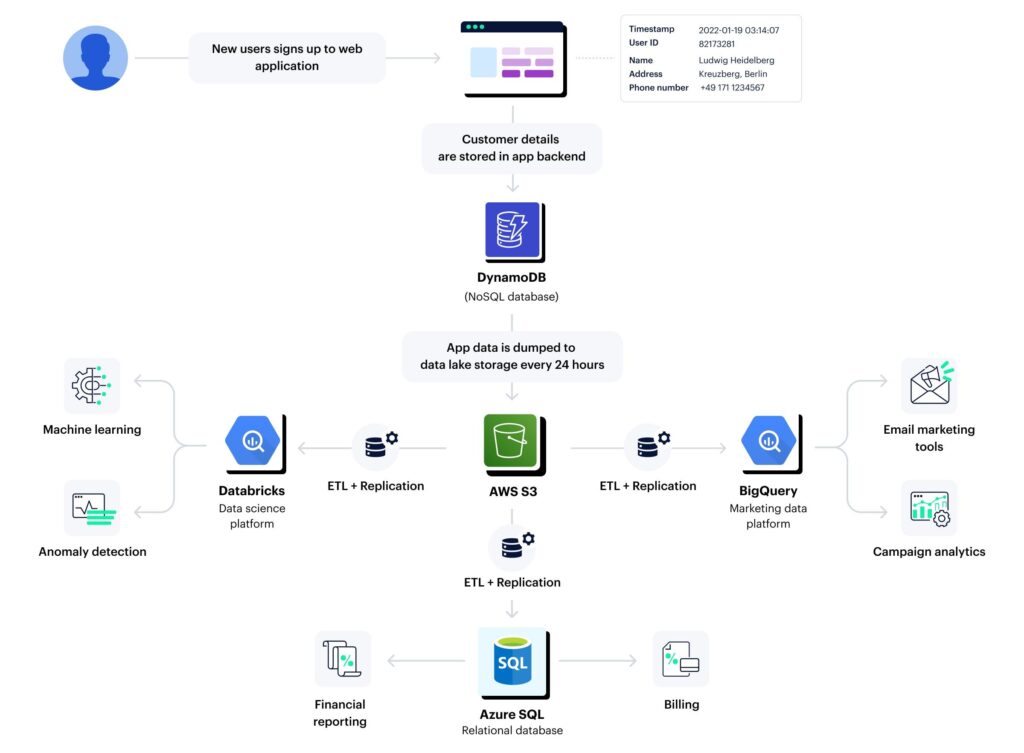
- Migrating large volumes of data securely
At the same time, there are potential long-term savings. Open-source systems could reduce licensing costs and give Switzerland more flexibility to customize solutions based on its needs.
Still, experts warn that the transition will likely take years and require careful planning to avoid disruptions.
Microsoft’s Continued Investment in Switzerland
Interestingly, while Switzerland is trying to reduce dependency, Microsoft is increasing its investment in the country.
The company recently announced a $400 million investment to expand AI and cloud infrastructure in Switzerland.
This includes:
- Expanding data centers near Zurich and Geneva
- Supporting over 50,000 customers
- Enhancing AI capabilities for businesses and government
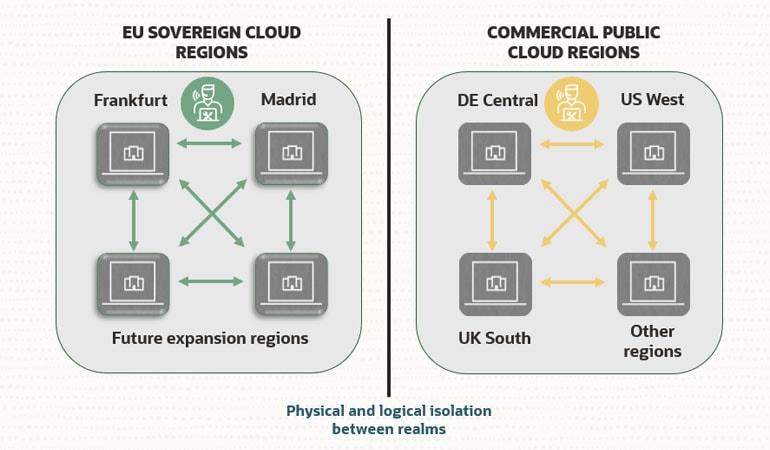
Microsoft is also promoting its “sovereign cloud” solutions, designed to meet European data protection requirements. These efforts show that the company is actively trying to remain a key partner—even as governments seek alternatives.

Challenges Switzerland Will Face in This Transition
Despite strong political will, reducing dependence on Microsoft comes with major challenges.
First, there is the issue of legacy systems. Government operations often rely on decades-old infrastructure built around Microsoft tools like Windows, Office, and Azure. Replacing these systems is complex and risky.
Second, compatibility issues could arise. Many international organizations and businesses still use Microsoft standards, making collaboration harder if Switzerland moves to alternative platforms.
Third, there is the question of performance and scalability. While open-source and local solutions are improving, they may not yet match the global capabilities of major cloud providers.
This means Switzerland must strike a balance—reducing reliance without sacrificing efficiency or innovation.

What This Means for Europe and the Global Tech Industry
Switzerland’s move is part of a larger global trend.
Across Europe, governments are increasingly focused on:
- Reducing reliance on U.S. tech giants
- Building local cloud infrastructure
- Investing in open-source ecosystems
Countries like Germany and France are already experimenting with similar strategies. If Switzerland succeeds, it could accelerate this shift across the EU and beyond.
For big tech companies, this signals a new era where trust, transparency, and local control will be just as important as innovation.
Why This Matters Now
This isn’t just a Swiss policy change—it’s a signal of a broader transformation in how governments view technology.
As AI, cloud computing, and cybersecurity become central to national security, countries want greater control over their digital ecosystems. Switzerland’s decision reflects a growing realization: data is power—and control over data is becoming a priority.
If successful, this strategy could redefine how governments work with global tech companies in the future.
Subscribe to trusted news sites like USnewsSphere.com for continuous updates.