
Sweden migrants to Italy are becoming a major new flashpoint in Europe’s debate over asylum responsibility, as Stockholm confirms that transfers to Italy have already taken place and will continue under the European Union’s new migration framework. The development puts Sweden alongside Germany, Austria, Switzerland and Finland in using the new rules to return certain asylum seekers to the EU country considered responsible for their applications.
At the same time, France and Spain are taking a different approach. Paris has indicated that it does not currently intend to join the countries sending Dublin transferees back to Italy, while Madrid says it prefers to deal with responsibility through the EU’s solidarity mechanisms rather than isolated bilateral transfers.
The disagreement matters because the EU’s Pact on Migration and Asylum entered into application on June 12, 2026, fundamentally changing how responsibility for asylum claims and transfers is managed. The European Commission says the new framework is designed to combine responsibility with solidarity, but the early implementation is already exposing disagreements between member states.
For readers trying to understand what is actually happening, the key issue is not simply whether migrants are being “sent back.” The more precise question is which European country is legally responsible for examining an asylum application and whether another country can transfer the applicant there.
Sweden Has Already Begun Transfers to Italy
Swedish authorities have confirmed that transfers to Italy have already occurred. Victoria Holmqvist, spokesperson for Sweden’s migration minister Johan Forssell, told ANSA that Sweden intends to continue transfers in accordance with the EU migration and asylum framework. Stockholm says the process is part of implementing the European rules rather than an entirely new Swedish policy.
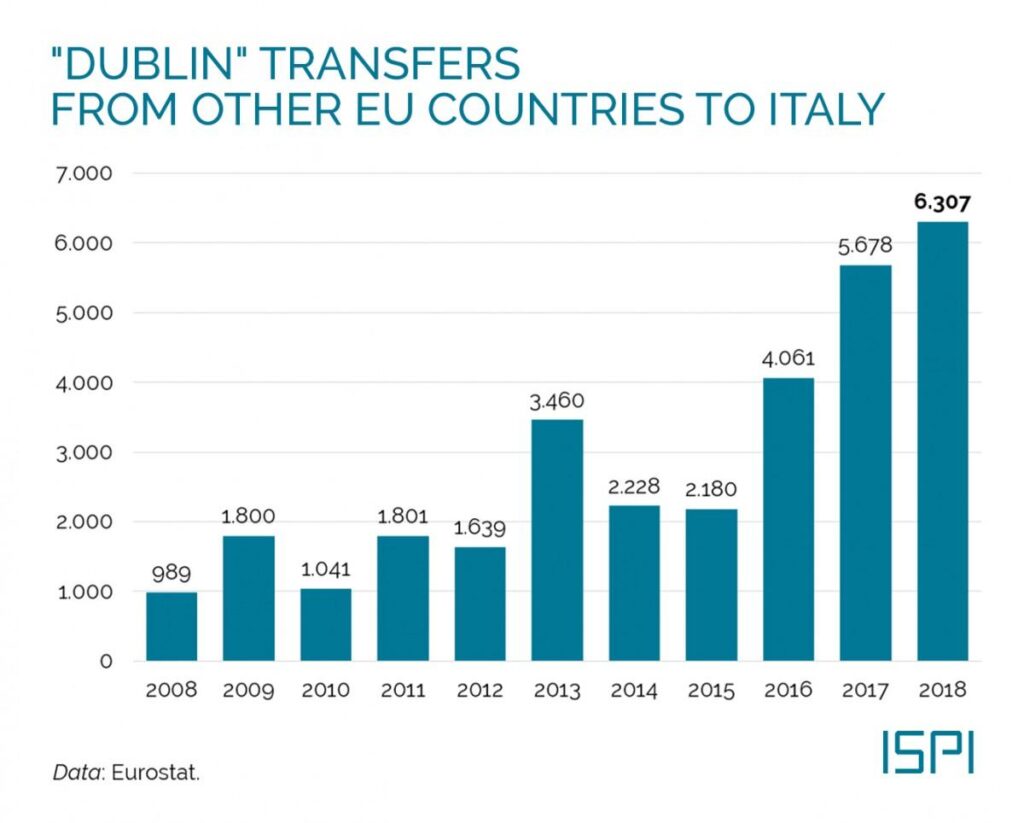
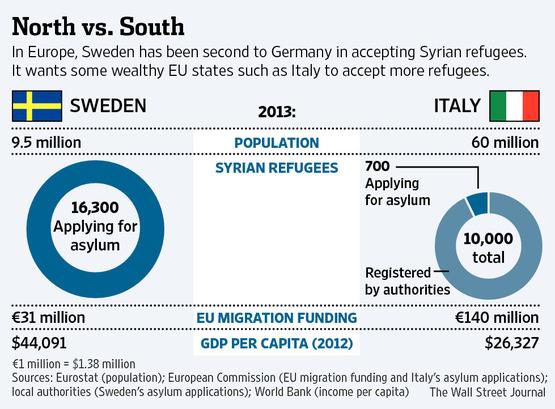
That clarification is important because the original reports described Sweden as preparing to send migrants to Italy. The latest information indicates that the situation has moved beyond preparation: Sweden says transfers have taken place and that it expects cooperation with Rome to continue. The Swedish government has framed the policy around making migration management more controlled and ensuring that EU countries meet their responsibilities.
A related ANSA video report provides additional coverage of Sweden’s position and the wider European dispute. Watch the ANSA video report on Sweden-Italy migrant transfers
Sweden is not acting alone. Germany, Austria and Switzerland have already been associated with efforts to resume or implement transfers to Italy, while Finland has also said transfers under the new EU framework are being prepared. The emerging pattern suggests that Italy is becoming an important test case for how the new responsibility rules will work in practice.
The Swedish position also highlights a broader change in European migration policy. Governments that previously struggled to carry out transfers under the older system now have a new legal framework and new administrative mechanisms. Whether those mechanisms produce significantly more actual transfers remains one of the major questions for the coming months.
Sweden Migrants to Italy: What the New EU Migration Pact Changes
The European Pact on Migration and Asylum entered into application across the EU on June 12, 2026, after a two-year preparation period. The European Commission describes the pact as a comprehensive overhaul of the EU’s asylum and migration system, covering border screening, asylum procedures, returns, responsibility rules and solidarity between member states.
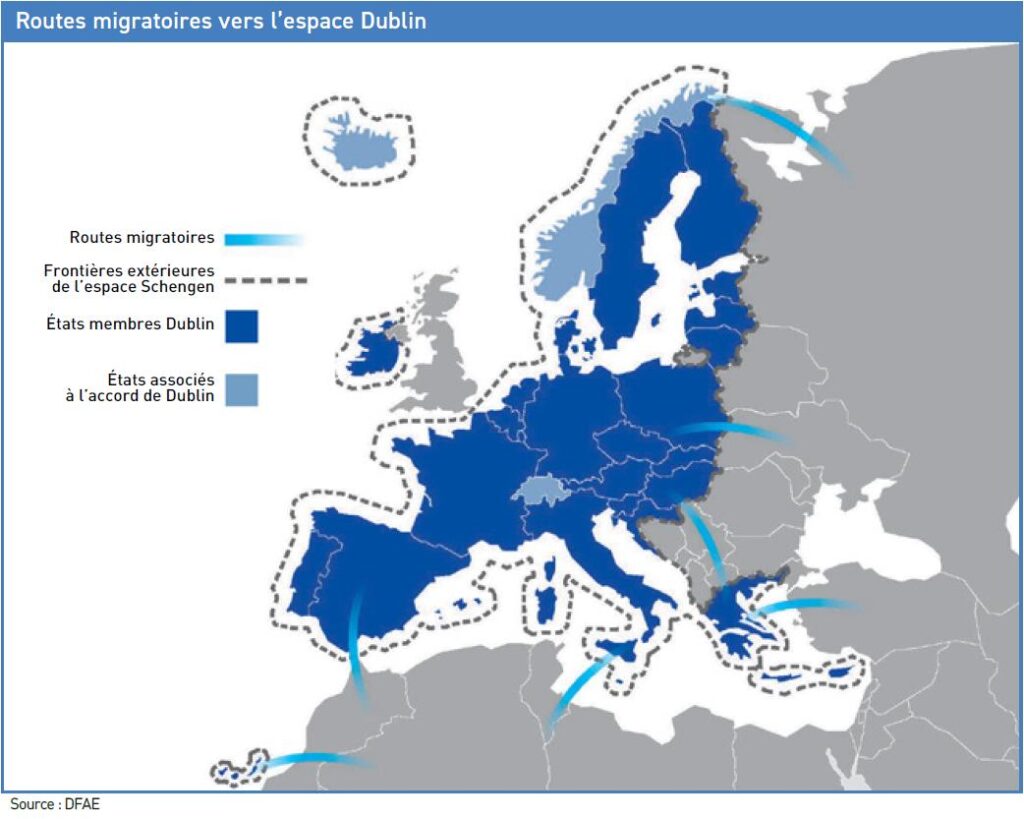
One of the most important changes concerns the period during which the first-entry country can remain responsible for an asylum application. Under the new Asylum and Migration Management Regulation, the first member state of entry can generally remain responsible for an asylum application for 20 months, compared with 12 months under the previous framework. There are exceptions, including specific situations involving search-and-rescue operations.
This means that moving from the country of first entry to another EU member state does not automatically transfer responsibility for an asylum claim. Depending on the circumstances, the second country can request that the person be transferred to the member state legally responsible for the application.
The terminology can be confusing. “Dublin transferee” is commonly used in news coverage for an asylum seeker whom another European country determines should have their application handled by a different member state. The system is intended to prevent people from repeatedly lodging asylum applications in different EU countries and to establish which country has responsibility for a particular case. Eurostat says the underlying principle is that one EU country is responsible for examining an asylum application.
The new system is also intended to reduce unauthorized secondary movement within Europe. The European Commission says improved Eurodac biometric tracking and stronger procedures are designed to make it easier for authorities to identify previous registration and determine responsibility.
That does not mean every asylum seeker who entered Italy can automatically be transferred from Sweden. Individual cases remain subject to the applicable legal criteria, procedural safeguards and possible challenges.
Italy Faces the Biggest Test of the Transfer System
Italy is at the centre of the dispute because it received more incoming Dublin requests than any other EU country in 2025. According to Eurostat, Italy recorded an estimated 24,152 incoming requests in 2025, ahead of Germany with 16,519, Croatia with 12,358, Spain with 10,684 and Greece with 10,113.
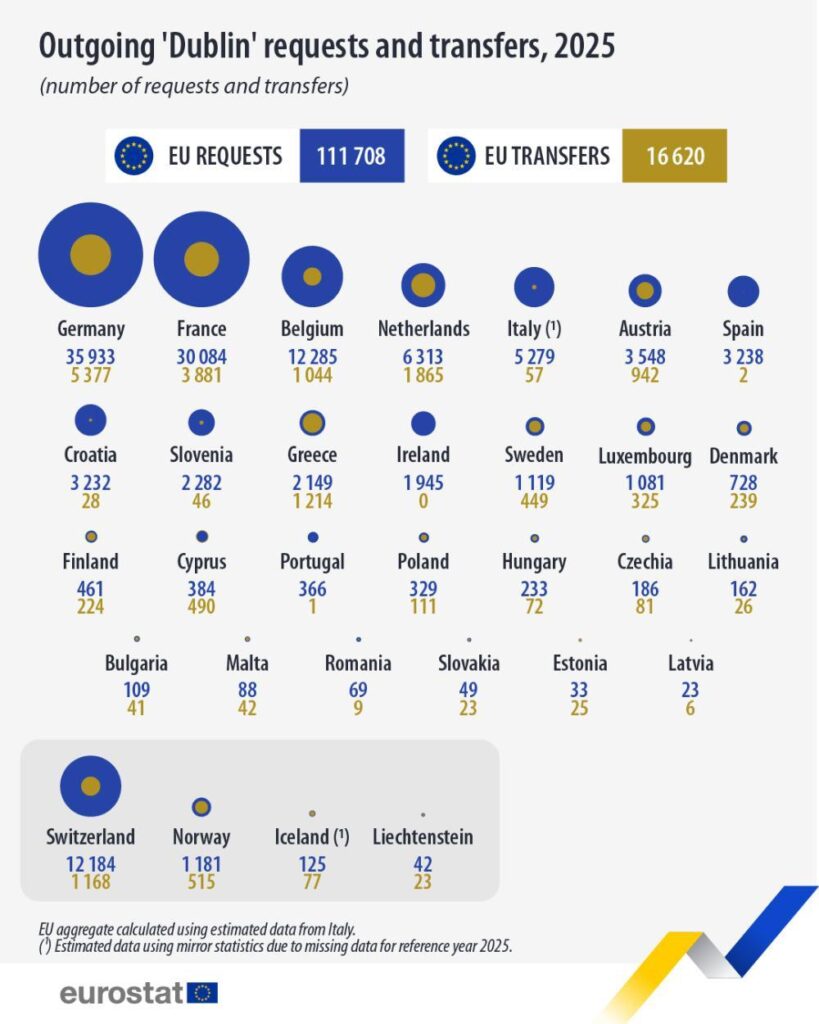
Across the EU, countries sent 111,708 outgoing Dublin requests in 2025 and implemented 16,620 outgoing transfers. That means a request to transfer responsibility is very different from an actual physical transfer. The distinction is important when assessing claims about how many migrants may eventually be returned to Italy.
The European Commission has already acknowledged that Italy needs to take concrete steps to ensure responsibility transfers occur effectively. In its first assessment after the new pact began applying, the Commission said Italy had made significant preparations but that additional measures were needed to make transfers work in practice. The Commission plans another assessment in October.
The numbers also show why this issue could become politically significant. Euronews reported that Italy received 109,427 transfer requests between 2023 and 2025, based on Eurostat figures cited in its analysis. The 2025 figure alone was more than 24,000 incoming requests.
However, these figures should not be interpreted as 109,427 people who will necessarily be returned to Italy. Requests can be rejected, cancelled, expire, become legally irrelevant or fail to result in an actual transfer. Eurostat specifically warns that requests and completed transfers are separate stages of the process.
Italy’s handling of incoming transfers therefore represents one of the first major practical tests of the new EU framework. If transfers increase substantially, pressure on Italy’s reception and asylum infrastructure could also increase. If transfers remain limited, other European governments may continue to question whether the new system is capable of delivering the responsibility-sharing mechanism promised by the pact.
Why France and Spain Are Taking a Different Position
France and Spain are important because both countries are major entry points into Europe and have substantial experience with asylum and migration pressures. Yet neither has followed the same path as Sweden in the current dispute.
French sources cited by ANSA said Paris does not currently intend to join the countries sending Dublin transferees to Italy, at least while France and Italy continue their current period of cooperation and political rapprochement. French authorities have also emphasized cooperation aimed at reducing migration flows departing from Tunisia and Libya.
Spain has taken a different but related position. Spanish Interior Ministry sources said Madrid supports using the solidarity mechanisms established by the European migration pact rather than relying on isolated bilateral expulsions or restrictions. That distinction reflects a broader disagreement about whether migration responsibility should primarily be handled through individual country-to-country transfers or through coordinated European mechanisms.
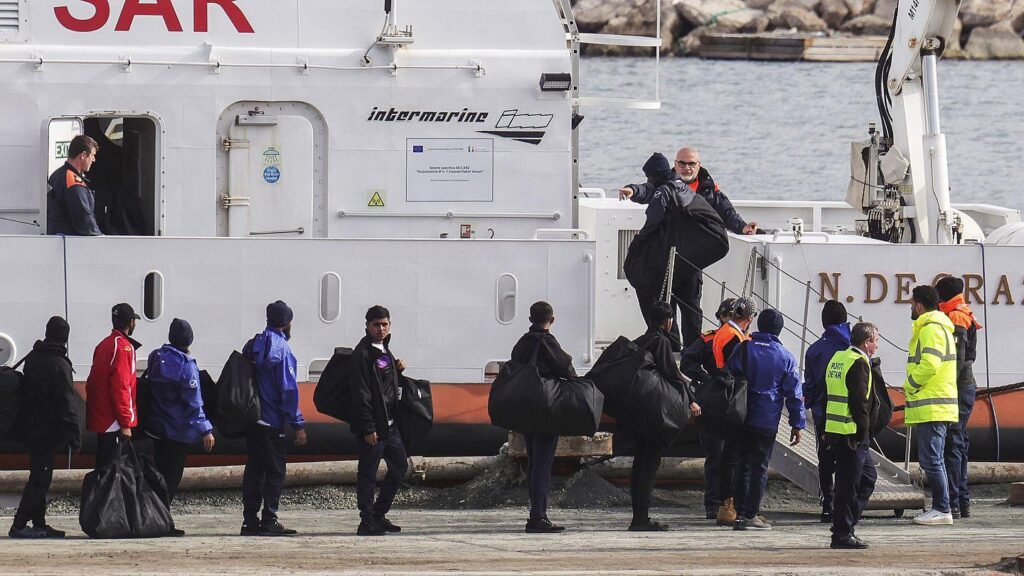
The disagreement is therefore not simply Sweden versus Italy. It reflects competing interpretations of how the EU should implement a system that simultaneously requires countries to accept responsibility and cooperate with each other.
France and Spain’s positions could become especially important if more countries begin requesting transfers to Italy. A larger number of requests could put additional pressure on the European Commission to clarify procedures and ensure that member states follow common standards.
The Commission has already stressed that the new pact is intended to balance responsibility and solidarity. The first assessment, published in July, said member states had made considerable progress but also acknowledged that concrete work remained necessary to ensure transfers function effectively.
What This Means for You and the Investor Takeaway
What this means for you: For migrants and asylum seekers, the most important point is that an asylum application in one EU country does not necessarily mean that another EU country will take responsibility simply because the person later moves there. Under the new framework, authorities can examine where responsibility lies and initiate procedures for a transfer when the legal requirements are met. Individual cases can involve family circumstances, previous applications, documentation, vulnerability and other legal considerations.
For European residents, taxpayers and policymakers, the issue is ultimately about how the EU manages a shared border and a shared asylum system. A system that produces more successful transfers could reduce some secondary movement between member states, but it could also increase pressure on countries such as Italy that receive large numbers of responsibility requests.
The investor takeaway is indirect but still relevant. Migration policy can affect government spending, reception infrastructure, border management, labour markets and political risk. Businesses operating in countries facing significant migration pressure may also be affected by changes in public expenditure, housing demand and local services. However, there is currently no basis for treating the Sweden-Italy dispute as a direct market-moving event for European equities or bonds.
The larger economic question is whether the new EU migration framework improves administrative efficiency without creating concentrated fiscal pressure in particular member states. The European Commission says the pact includes financial and operational support mechanisms, including solidarity measures for countries under disproportionate migratory pressure.
There is also a human-rights dimension that should not be overlooked. EU asylum rules contain safeguards for applicants, and asylum remains a protected right under European and international law. Transfer decisions therefore cannot be reduced to a simple political decision to move someone from one country to another. Legal procedures and individual circumstances matter.
Future Outlook: Europe’s Migration Rules Face a Major Test
Future outlook: The next several months could determine whether the EU’s new migration framework actually delivers more predictable responsibility transfers. Sweden’s confirmation that transfers to Italy have already occurred is significant because it suggests that the new system is beginning to operate in real cases rather than remaining solely a legislative framework.
The next major checkpoint will be the European Commission’s planned monitoring exercise in October. That assessment should provide more evidence about how member states are handling responsibility determinations and transfers after the June 12 launch of the new rules.
Several questions remain unresolved. How many people will actually be transferred to Italy? Will Rome accept a substantially larger number of transfers? Will France and Spain maintain their current positions? And will other countries follow Sweden, Germany, Austria, Switzerland and Finland?
The answers could shape the political debate over the future of European asylum policy. If transfers become more effective, governments that support stricter responsibility rules may argue that the pact is working. If transfers remain difficult to execute, pressure could grow for further reforms, stronger enforcement or additional EU-level coordination.
For Italy, the stakes are particularly high because of its position as one of Europe’s main arrival countries and its exceptionally large number of incoming transfer requests. For Sweden and other northern European countries, the issue is whether responsibility rules can reduce secondary movements without creating new disputes over reception capacity. For France and Spain, the coming months will test whether a solidarity-based approach can work alongside the new responsibility system.
The most important takeaway is that Europe has entered a new phase of migration policy. The EU Pact on Migration and Asylum is now operational, Sweden says transfers to Italy are already happening, and governments are taking noticeably different approaches to implementation. The debate is no longer only about what the rules say; it is about whether European countries can make those rules work consistently in practice.
As more cases move through the system, official EU data and national decisions will be more important than political claims or isolated headlines. The October Commission assessment should provide another useful measure of whether the new framework is beginning to produce the predictable, coordinated asylum system that EU policymakers have promised.
Subscribe to trusted news sites like USnewsSphere.com for continuous updates.
Sources and further reading: European Commission — New migration and asylum rules · European Commission — First assessment of new responsibility rules · Eurostat — Key data on the Dublin system in 2025 · ANSA — Sweden-Italy transfer video/report · Original Euronews report