
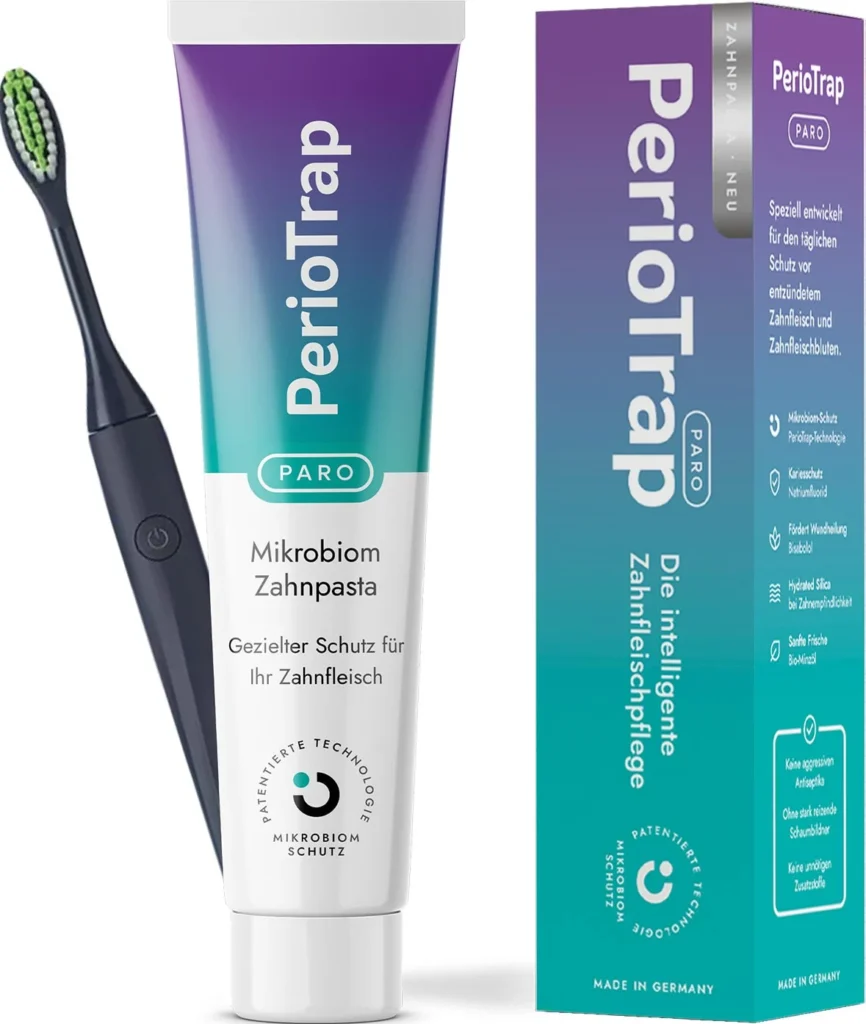
New toothpaste stops gum disease without harming healthy bacteria, and scientists say this breakthrough could transform how millions of Americans treat and prevent periodontal disease. Researchers recently developed a targeted oral treatment designed to eliminate harmful bacteria responsible for gum infections while leaving beneficial microbes intact. The innovation addresses a long-standing problem in dental care: most antibacterial toothpastes kill both harmful and helpful bacteria, disrupting the natural balance of the mouth.
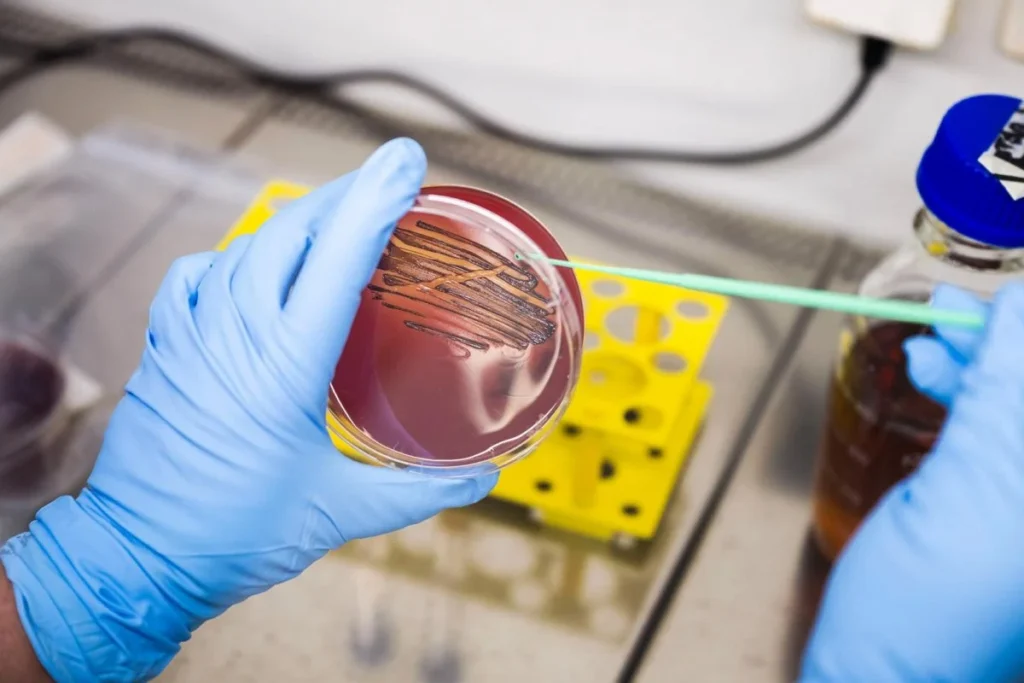
Gum disease affects nearly half of adults in the United States over age 30, according to dental health research. When harmful bacteria accumulate along the gum line, they trigger inflammation that can eventually lead to tooth loss and even increase risks for heart disease and diabetes. The new toothpaste formula aims to selectively remove disease-causing microbes while preserving the beneficial bacteria that support oral health. Scientists believe this targeted strategy may mark a major shift in preventive dentistry.
Scientists Develop a Targeted Approach to Oral Bacteria
Traditional antibacterial dental products often work like broad-spectrum antibiotics: they eliminate many types of bacteria regardless of whether they are beneficial or harmful. While this approach reduces infection-causing microbes, it can also disrupt the oral microbiome—the delicate ecosystem of hundreds of bacterial species that naturally live in the mouth.
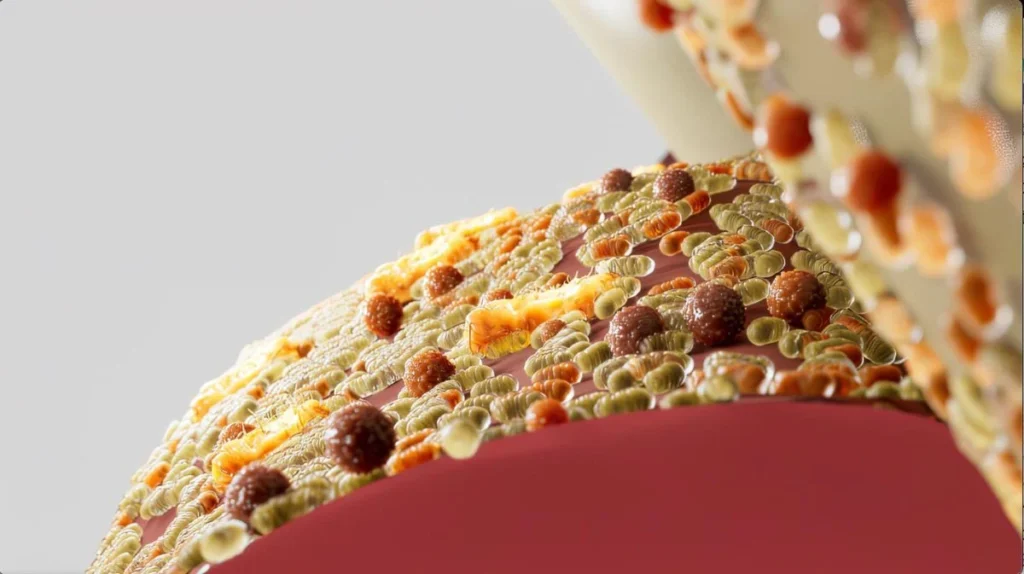
Researchers behind the new toothpaste used advanced microbiology techniques to identify specific bacteria strongly linked to gum disease. Instead of using ingredients that kill everything, the team designed a targeted compound that attaches to and neutralizes only the harmful strains responsible for periodontal inflammation. This precision treatment allows the rest of the oral microbiome to continue functioning normally.
Why the Oral Microbiome Matters for Dental Health
The human mouth hosts more than 700 different bacterial species, many of which actually protect teeth and gums. These beneficial microbes help regulate acidity levels, break down food particles, and prevent dangerous bacteria from overgrowing.
When aggressive antibacterial products wipe out large portions of this microbial community, it can create an imbalance called dysbiosis. Dysbiosis has been linked to cavities, gum disease, and other oral health problems. By preserving healthy microbes, the new toothpaste supports the mouth’s natural defenses rather than disrupting them. This microbiome-friendly approach is increasingly seen as the future of oral care research.
Early Research Shows Promising Results
Laboratory studies testing the toothpaste have shown promising results. Researchers observed that harmful bacteria associated with periodontal disease declined significantly when exposed to the targeted formula, while beneficial bacteria remained largely unaffected.
In controlled experiments, gum inflammation markers also decreased when the treatment was used regularly. Scientists believe the approach could help stop gum disease earlier in its progression, preventing more serious complications such as bone loss around the teeth. If future clinical trials confirm these findings, dentists may soon recommend microbiome-targeted toothpastes as part of everyday oral hygiene routines.
Why This Matters Now for Public Health
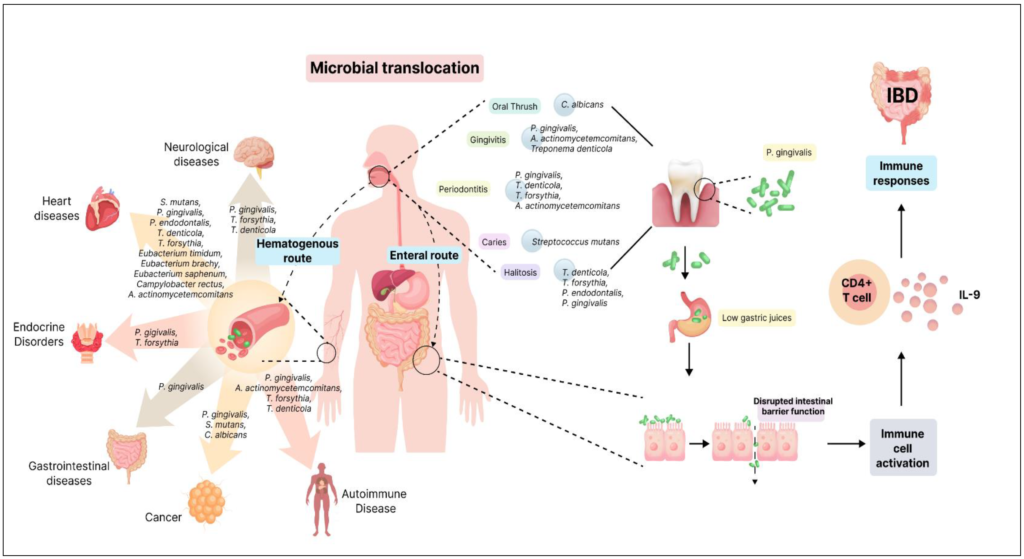
Gum disease is not only a dental issue; it is increasingly recognized as a broader health concern. Studies have linked periodontal disease with cardiovascular disease, respiratory conditions, diabetes complications, and even certain pregnancy risks.
Because nearly half of U.S. adults experience some level of gum disease, new prevention strategies could have wide public health benefits. A toothpaste that protects healthy bacteria while eliminating harmful ones may help reduce long-term medical costs and improve overall wellness. This is especially important as scientists continue to discover connections between oral health and systemic health.
Potential Impact on the Future of Dental Products
If the targeted toothpaste proves effective in larger clinical trials, it could inspire a new generation of microbiome-friendly dental products. Companies may begin developing mouthwashes, dental gels, and preventive treatments designed to selectively control harmful bacteria rather than eliminate entire bacterial populations.
Experts believe this shift could redefine preventive dentistry. Instead of treating infections after they occur, dental care may focus more on maintaining microbial balance in the mouth. This concept mirrors similar trends in gut microbiome research, where preserving beneficial microbes has become a key strategy for improving health.
For consumers, this means oral care products may become more personalized and science-driven in the coming years. Dentists could even recommend different microbiome-targeted treatments based on an individual’s specific bacterial profile.
The Bottom Line
The development of a toothpaste that fights gum disease without harming healthy bacteria represents an important step forward in dental science. By protecting the natural oral microbiome while eliminating harmful pathogens, researchers are exploring a smarter and more sustainable approach to oral health.
As clinical testing continues, this innovation may soon reshape the way people prevent gum disease and maintain healthy smiles. If successful, microbiome-targeted dental treatments could become a standard part of daily oral care routines around the world.
Subscribe to trusted news sites like USnewsSphere.com for continuous updates.
[ USnewsSphere.com / sci ]