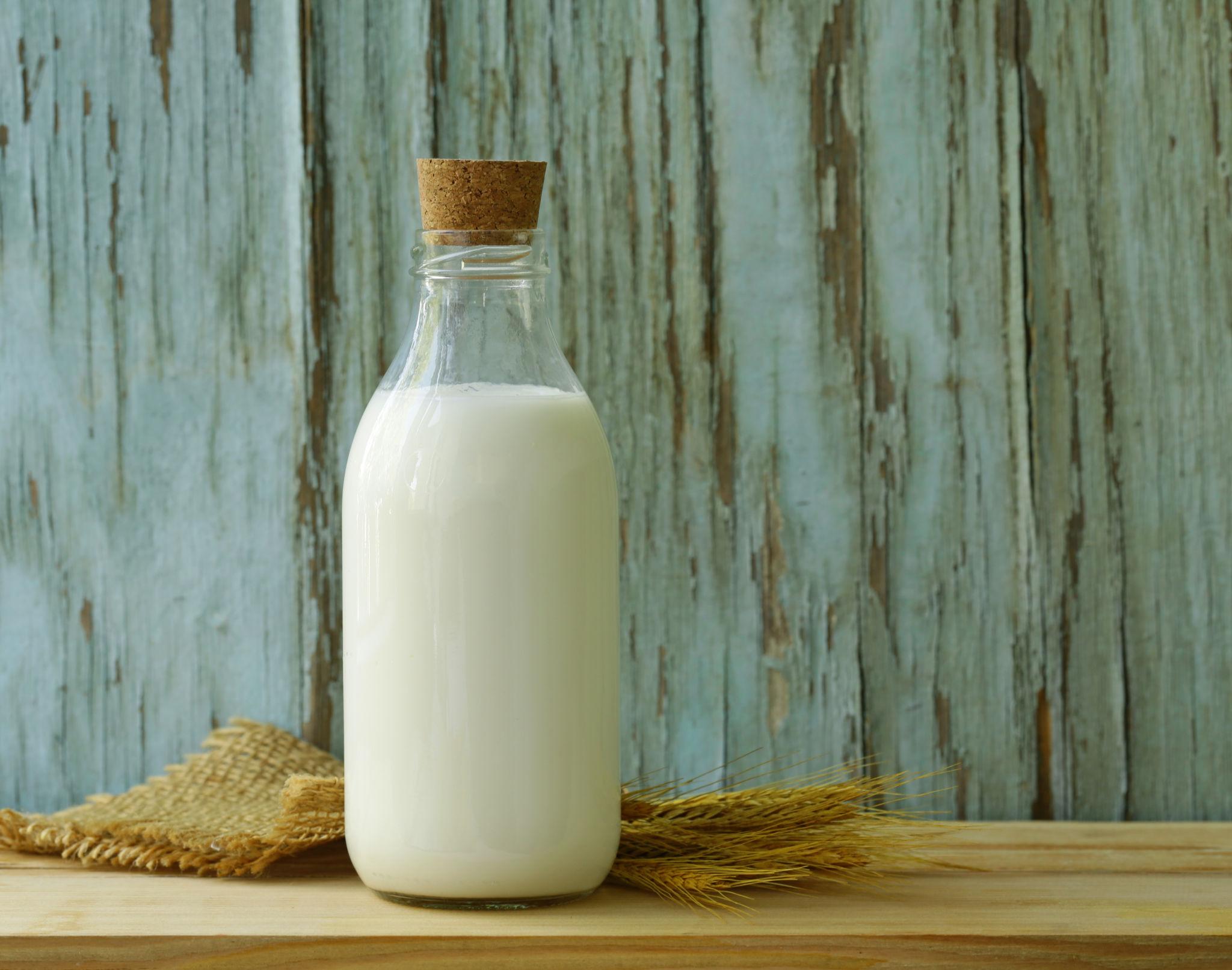
Raw milk linked to newborn death has sparked serious health warnings after a baby in New Mexico died from a Listeria infection that health officials believe was tied to the mother drinking unpasteurized milk during pregnancy.
Health authorities New Mexico Department of Health (NMDOH), the Centers for Disease Control and Prevention (CDC), and the U.S. Food and Drug Administration (FDA), reported that while they could not pinpoint an absolute cause with 100% certainty, investigators concluded the most likely source of the infant’s Listeria infection was unpasteurized or raw milk consumed by the pregnant mother. Raw milk can harbor dangerous bacteria, including Listeria monocytogenes, which poses significant risks — especially for pregnant people and newborns.
The Dangers of Raw Milk Consumption During Pregnancy
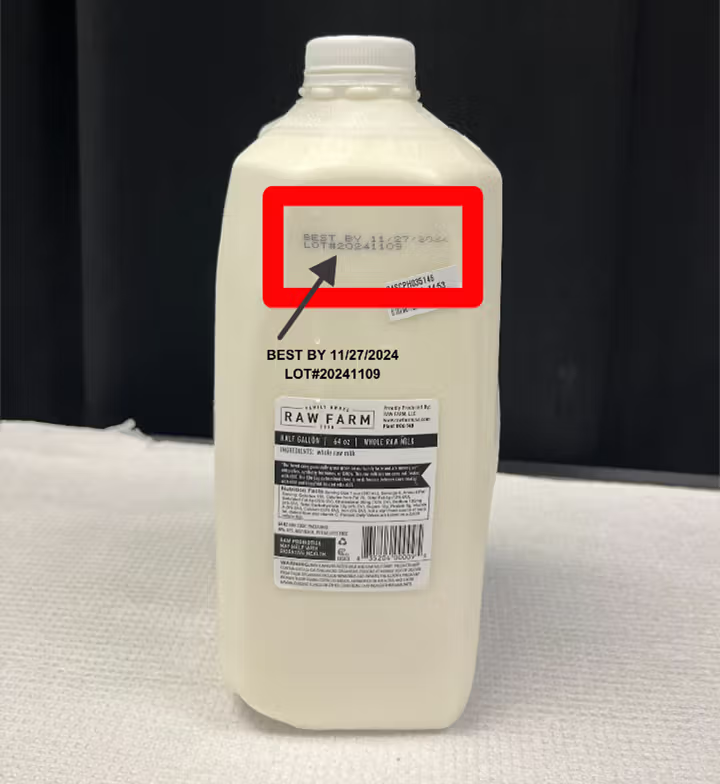
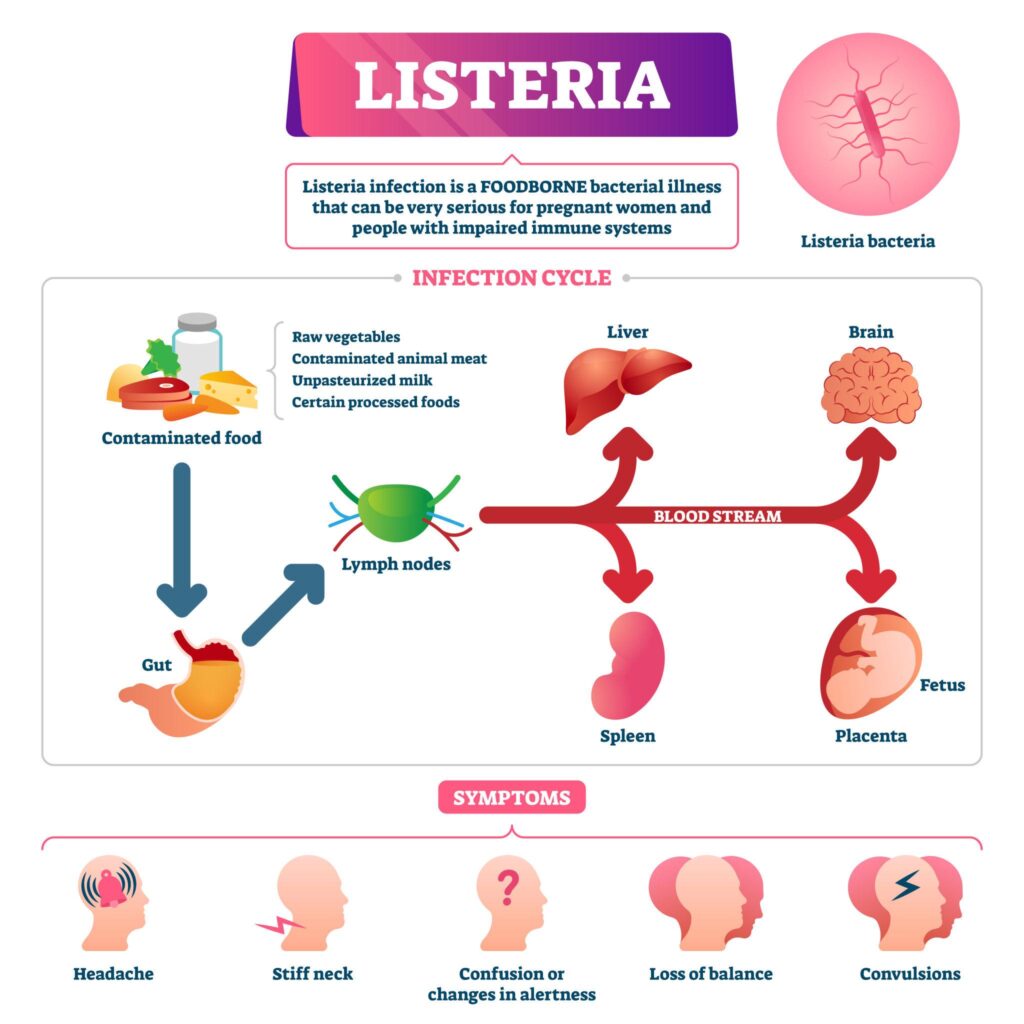
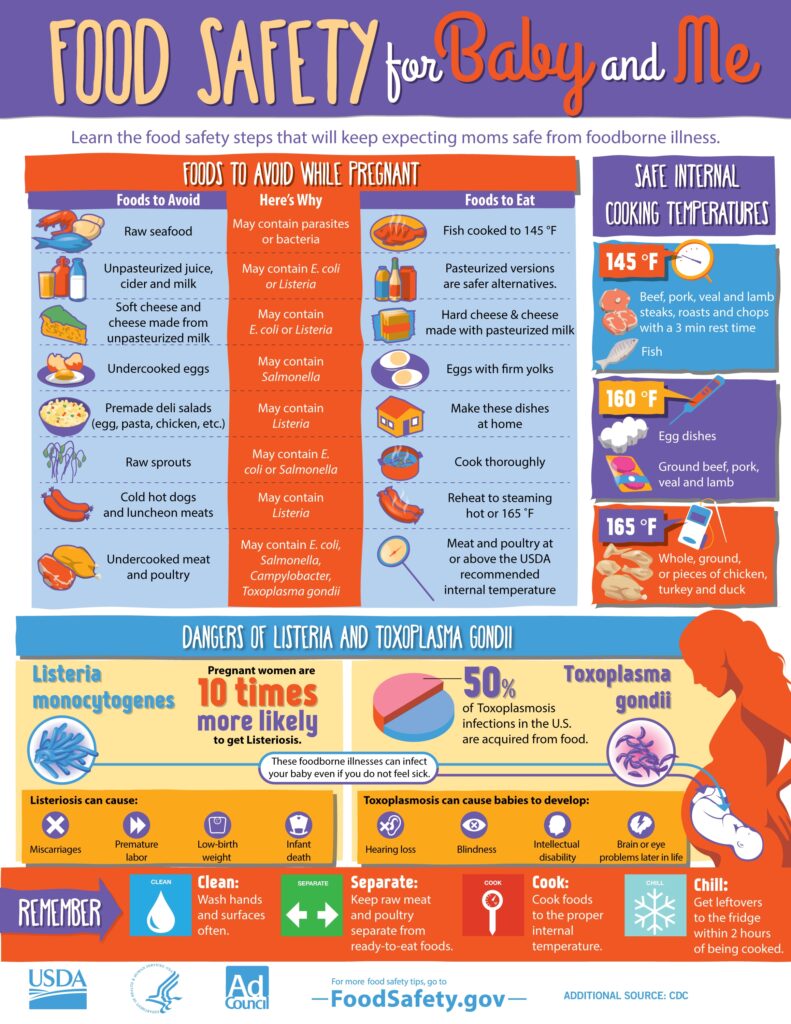
Unpasteurized dairy products, such as raw milk, have not undergone pasteurization — a process that heats milk to kill harmful pathogens. According to U.S. food safety officials, raw milk can be contaminated with bacteria such as Salmonella, E. coli, Campylobacter, and Listeria, all of which can cause severe illness. Pregnant women are particularly vulnerable because these infections can infect the placenta or fetus without causing major symptoms in the mother.
Listeria, the bacteria linked to the infant’s death, is well-known for its ability to cross the placental barrier. Infections in pregnancy can result in miscarriage, stillbirth, preterm birth, or fatal infections in newborns — even if the mother only experiences mild or no symptoms. This is why health authorities strongly recommend that pregnant people avoid raw dairy products entirely.
What Happened in New Mexico: The Case Details
In early February 2026, New Mexico health officials issued warnings urging residents to avoid raw milk and other unpasteurized dairy after a newborn died from a Listeria infection. Officials noted that while privacy rules limited the specific details they could share about the families involved, the timing of the infection and the mother’s reported consumption of raw milk made it the most likely source.
These warnings were not isolated — similar notices have appeared in other states and countries when raw milk contamination has been suspected. Even isolated cases can prompt broad public health advisories because of the potentially severe outcomes for infants, pregnant individuals, and other high-risk groups like the elderly and those with weakened immune systems.
Why This Matters Now: The Growing Interest in Raw Milk
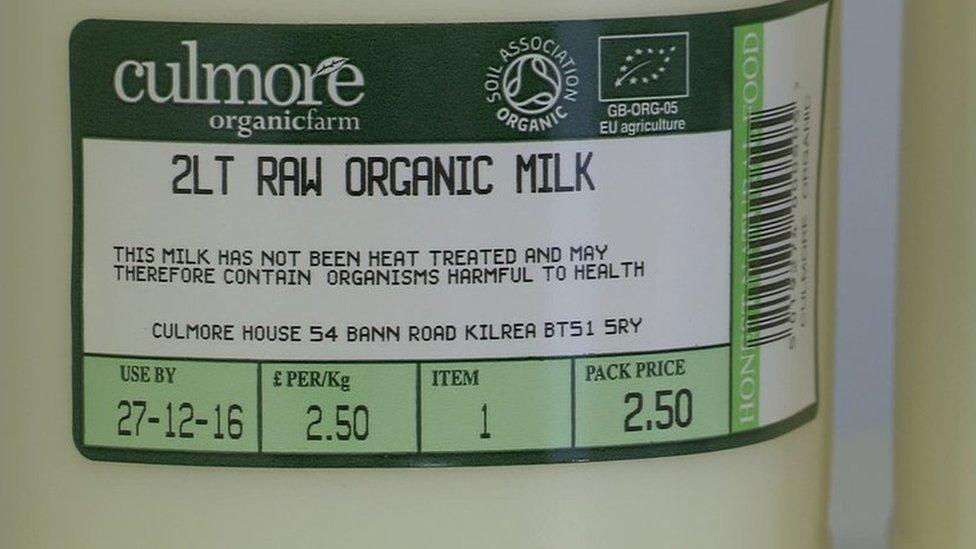
In recent years, interest in raw milk has grown in some communities, driven by social media influencers and alternative health advocates who claim unpasteurized dairy offers health benefits over pasteurized products. However, federal food safety data and public health experts consistently emphasize that any potential benefits do not outweigh the proven risks.
The tragic case in New Mexico underscores why mainstream health organizations — including the U.S. Centers for Disease Control and Prevention (CDC) and the Food and Drug Administration (FDA) — continue to recommend pasteurized products. According to the FDA, from 1998 through 2018, there were over 200 outbreaks linked to raw milk, leading to thousands of illnesses and hundreds of hospitalizations.
Because pregnancy-related Listeria infections are rare but potentially life-threatening, public health officials stress that avoiding raw dairy is one of the simplest and most effective ways to protect maternal and infant health.
Recognizing the Signs and Protecting Yourself
Symptoms of a Listeria infection can be mild or flu-like in adults — including fever, muscle aches, nausea, and diarrhea. But in pregnant individuals, the infection may present subtle symptoms despite serious effects on the fetus. Healthcare professionals advise that anyone who suspects they may have consumed contaminated raw dairy during pregnancy should seek medical advice promptly.
Because Listeriosis can lead to miscarriage, stillbirth, or severe neonatal infections, the consequences of delayed diagnosis can be severe. Early medical attention can include blood tests, antibiotics, and close monitoring to protect both mother and child.
Public Health Recommendations and Safe Choices
Health experts unanimously agree that pasteurization saves lives. Pasteurization has been widely used for over a century to substantially reduce milk-borne diseases without diminishing nutritional value. Pregnant people should always choose pasteurized dairy products — including milk, cheese, and yogurt — to reduce the risk of bacterial infection.
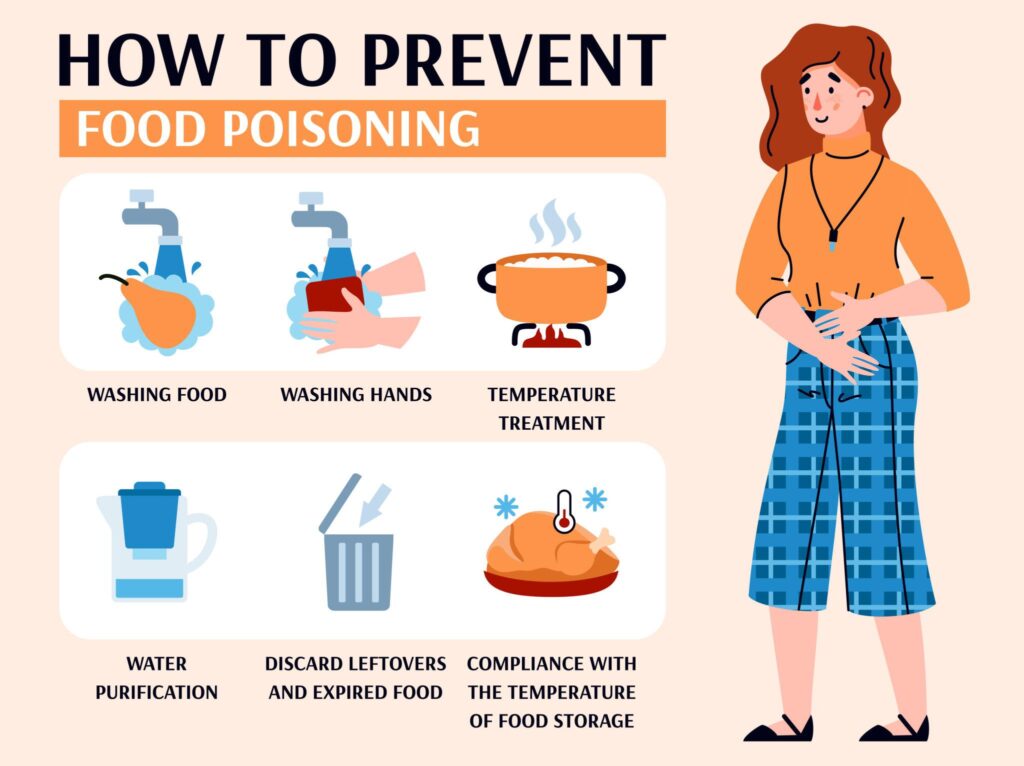
Additionally, proper food handling — such as refrigerating dairy promptly, checking labels for “pasteurized,” and avoiding unpasteurized soft cheeses — further reduces the risk of contamination. When in doubt, individuals should consult healthcare professionals or refer to guidance from organizations like the CDC and FDA.
Final Thoughts on Raw Milk and Newborn Safety
The newborn death linked to raw milk highlights a crucial public health concern about unpasteurized dairy use during pregnancy. While trends promoting raw milk may continue online, the clear scientific consensus shows that pasteurized products are the safer choice for everyone — especially expectant families.
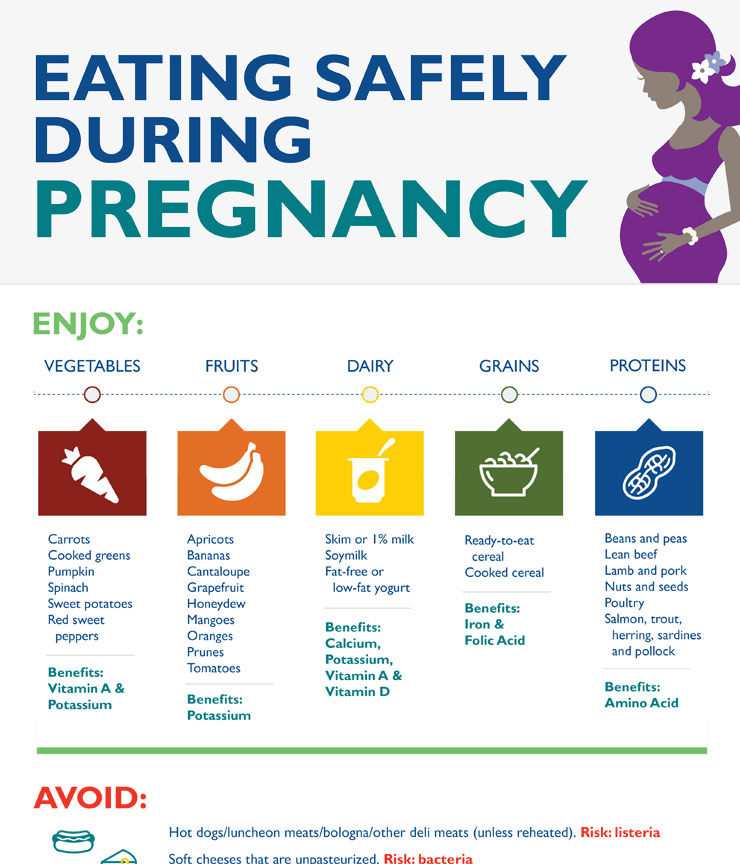
Pregnant women, new parents, and caregivers are encouraged to stay informed and make safe dietary choices to protect maternal and infant health. This story reinforces why authoritative health guidance matters and why choosing pasteurized dairy is a key step in safeguarding against fatal infections like Listeria.
Subscribe to trusted news sites like USnewsSphere.com for continuous updates.