
Higher Omega-3 Blood Levels Linked to Lower Early-Onset Dementia Risk. New research suggests that middle-aged adults with elevated omega-3 fatty acids in their bloodstream have a significantly reduced risk of developing dementia before age 65 — up to 40% lower compared with those with lower omega-3 levels, showing benefits regardless of genetic risk.
Early-onset dementia (EOD) — dementia occurring before age 65 — has long been harder to understand than late-onset forms. Yet the findings from this large-scale study show that diet and lifestyle, specifically omega-3 status, could play a protective role decades before symptoms start. This matters now as growing numbers of younger adults seek actionable ways to support long-term brain health.
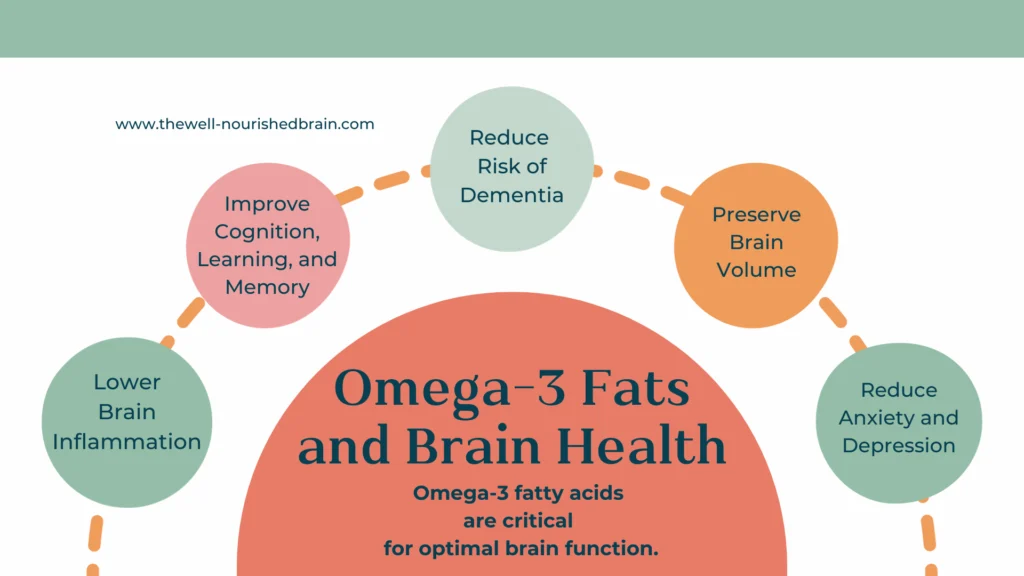
The Emerging Science: Omega-3 Blood Levels & Brain Health
Scientists analyzed data from the UK Biobank, tracking over 217,000 adults aged 40–64 for more than eight years to examine the relationship between omega-3 fatty acids in the blood and early-onset dementia diagnoses. Rather than relying on self-reported diet — which can be unreliable — researchers measured omega-3 biomarkers directly in blood plasma, giving a much more accurate view of fatty acid status.
The study considered three types of omega-3 exposures: total omega-3, DHA (docosahexaenoic acid), the most prominent omega-3 in the brain, and non-DHA omega-3s like EPA and DPA. Adults with higher levels of total omega-3 had a significantly reduced risk of developing EOD compared with those in the lowest omega-3 group, even after adjusting for age, genetics, and lifestyle factors.
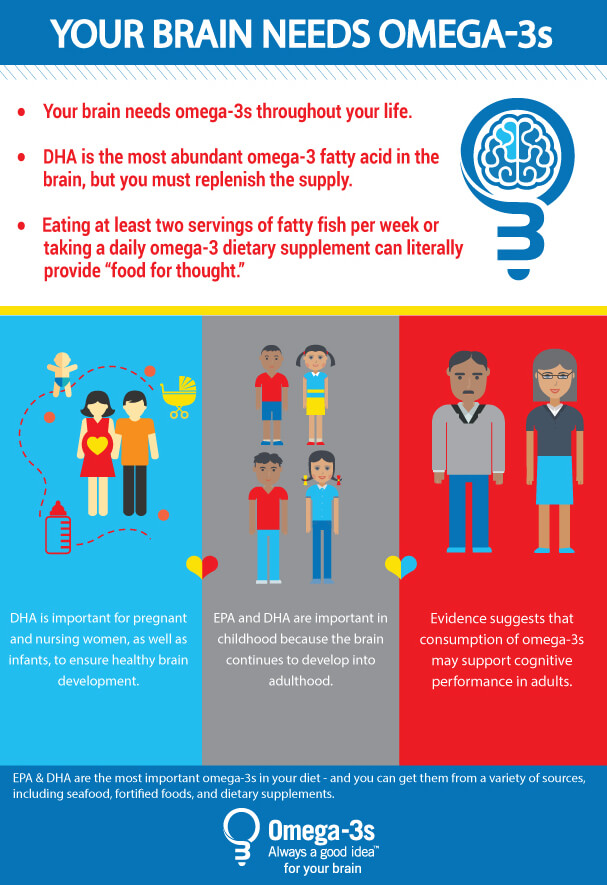
Interestingly, while DHA is central for brain structure and function, non-DHA omega-3s like EPA were linked with an even stronger protective association, likely due to their anti-inflammatory effects — suggesting the full spectrum of omega-3 fats may be important.
Why This Matters Now: Early Brain Health Strategies
Until recently, most research on omega-3s and cognitive health focused on older adults at risk for late-onset dementia. The new findings challenge that view, suggesting midlife omega-3 status matters for brain health decades before traditional dementia risk periods.
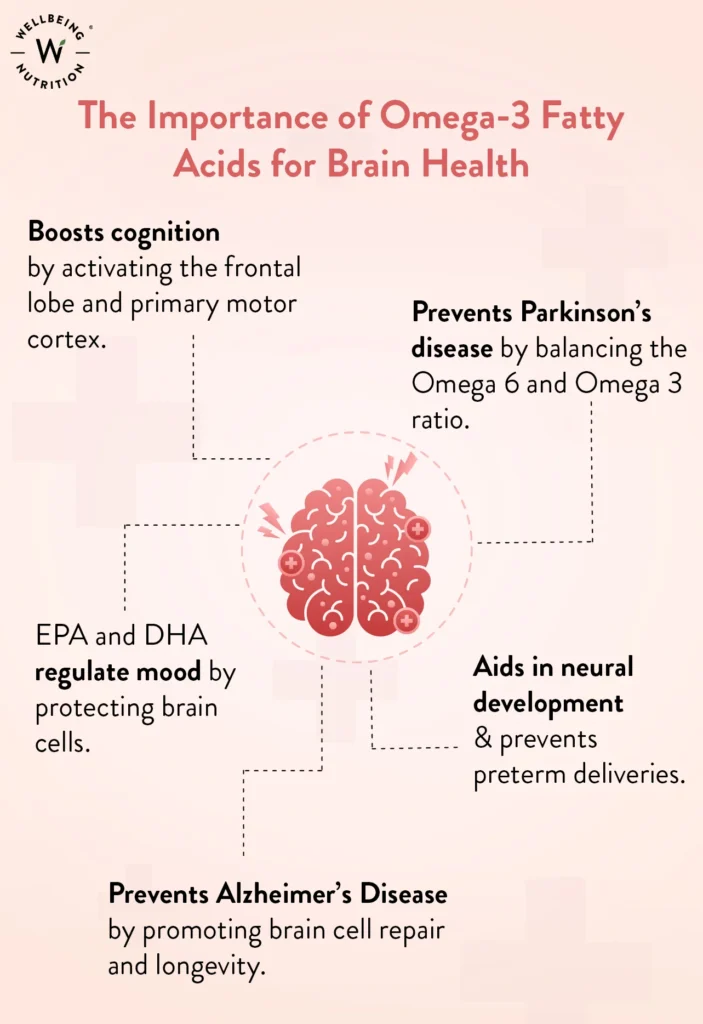
With 370,000 new cases of early-onset dementia diagnosed annually worldwide, many experts believe that modifiable lifestyle factors like nutrition should be taken seriously as a potential preventive strategy.
Unlike genetic predispositions such as the APOE-ε4 allele, which increases dementia risk but can’t be changed, omega-3 levels can be increased through diet and supplementation. This makes omega-3 a plausible, low-cost tool that individuals and public health initiatives could use to support brain health long before symptoms start.
The Role of Diet and Supplements in Raising Omega-3 Levels
Omega-3 fatty acids come mainly from fatty fish like salmon, mackerel, sardines, and from supplements such as fish oil or algal oil. Regular consumption of these foods helps raise the Omega-3 Index — a measure of the amount of DHA and EPA in red blood cells — which researchers have suggested could be a target for long-term brain health.
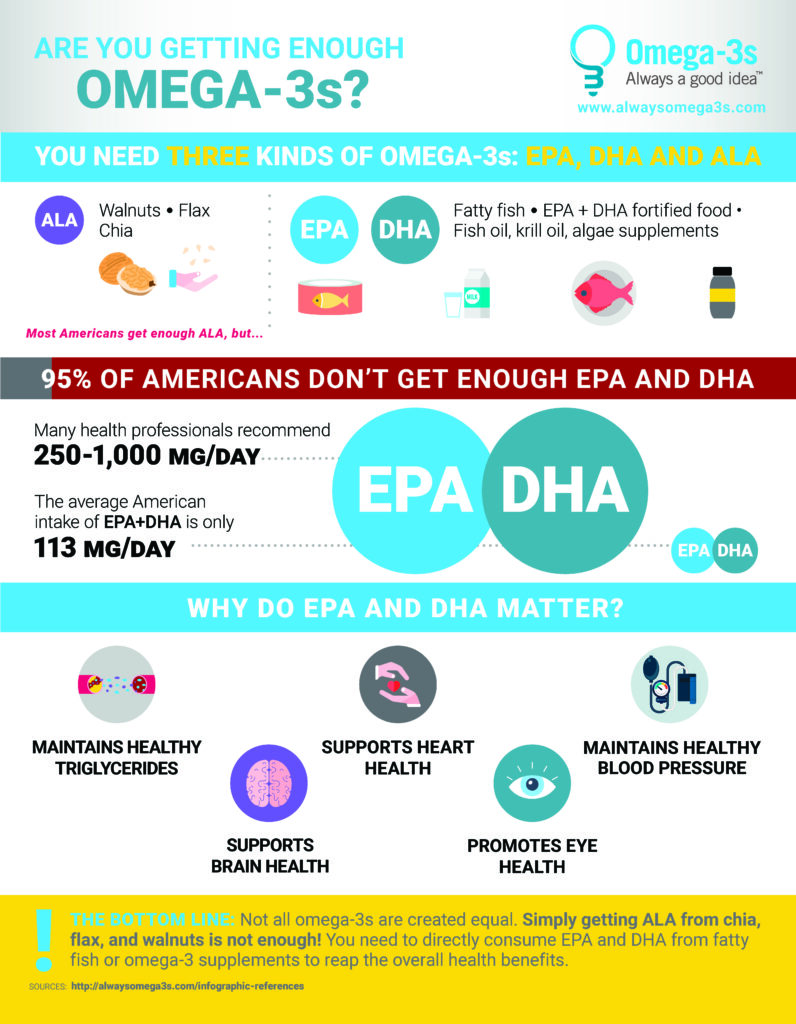
Most people in the U.S. and other Western countries have Omega-3 Index scores lower than optimal, often well under recommended levels. Increasing this index through diet and supplements is safe, cost-effective, and potentially powerful based on emerging evidence.
Several ongoing nutrition studies also support the idea that omega-3s may help reduce overall dementia risk, bolstering the biological plausibility uncovered in epidemiological research.
Genetics, Inflammation, and Brain Protection
Importantly, researchers found no interaction between omega-3 levels and APOE-ε4 genotype, meaning higher omega-3 status was associated with reduced dementia risk regardless of whether someone carried this high-risk gene variant.
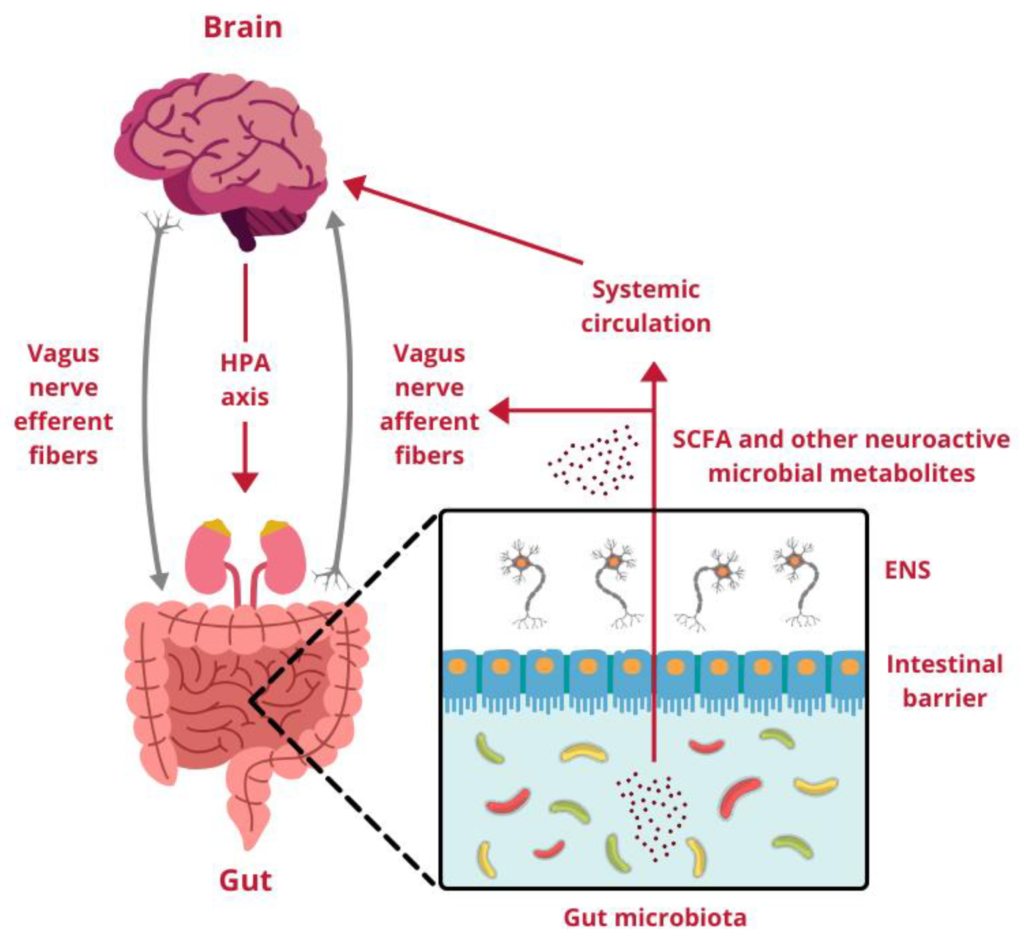
Scientists hypothesize that omega-3s help preserve cognitive function through multiple mechanisms: they support neurogenesis (the creation of new neurons), reduce inflammation and neuroinflammation, and support brain cell membrane integrity, all of which are vital to maintaining healthy brain aging.
The omega-3 benefits extend beyond the brain. Higher levels have also been linked to reduced risk of heart disease and improved cardiovascular outcomes in separate studies, which is notable since vascular health and brain health are closely connected.
What This Research Could Mean for Public Health
If future research supports these findings in diverse global populations, nutritional guidance could shift to emphasize omega-3 status as a key factor in dementia prevention strategies. That could reshape public and individual approaches to diet around the world.
For individuals, maintaining adequate omega-3 levels through diet and supplements could become a routine part of long-term brain health plans — alongside exercise, cognitive engagement, and other known healthy habits.

For health systems, these findings highlight the importance of nutritional biomarkers over self-reported diet data in predicting disease risk, which could improve preventive medicine strategies in the future.
Emerging research shows that higher blood levels of omega-3 fatty acids may significantly lower the risk of early-onset dementia — a form of cognitive decline diagnosed before age 65 — by up to 35–40%. This association is independent of genetics and highlights the potential of diet and lifestyle to influence long-term brain health.
Understanding and optimizing omega-3 status earlier in life could be a simple, accessible tool for cognitive health that clinicians and individuals alike should take seriously.
Subscribe to trusted news sites like USnewsSphere.com for continuous updates.