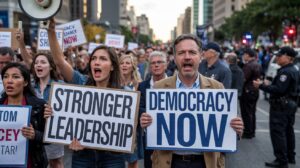
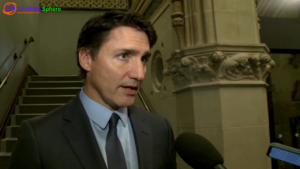
In a powerful national television interview, Senator Chris Murphy declared that Immigration and Customs Enforcement (ICE) is operating in ways that are “inhumane and illegal,” thrusting one of the most controversial elements of U.S. immigration policy into the spotlight amid nationwide outrage and protests. Murphy’s remarks — made on NBC’s Meet the Press — come after an ICE agent fatally shot 37-year-old Renee Nicole Good in Minneapolis, a case that has ignited fierce political debate and widespread demonstrations.
The debate has broadened rapidly, encompassing questions about federal immigration enforcement, use of force standards, and constitutional accountability. From Capitol Hill to the streets of Minneapolis and cities nationwide, the fallout from this incident reveals deepening divides over the Trump administration’s immigration enforcement strategies.
Senator Murphy’s Stark Criticism of ICE and DHS Tactics
In his Meet the Press interview, Murphy did not mince words, accusing the Department of Homeland Security (DHS) and ICE of executing enforcement actions that undermine basic human rights. He said the agency’s current operations not only strain communities but also violate fundamental legal and moral standards. While acknowledging the need for a domestic law-enforcement structure, Murphy asserted that ICE’s conduct has crossed into cruelty and illegality — particularly in its tactics and treatment of immigrant families.
Murphy highlighted cases where ICE has detained individuals — including minors and long-time residents — without clear cause or transparent legal process, painting a broader picture of a system that, in his view, prioritises enforcement over justice. This critique is echoed by civil rights advocates who argue that immigration enforcement should adhere to constitutional guarantees of due process and humane treatment.
The Minneapolis Shooting That Sparked National Outrage
The latest controversy hinges on the fatal shooting of Renee Nicole Good by an ICE officer in Minneapolis during what authorities described as a large immigration enforcement operation. According to multiple reports, Good, a 37-year-old American citizen and mother of three, was shot after a tense encounter with federal agents. Federal authorities claim the officer acted in self-defence; critics and eyewitnesses dispute that version, pointing to video evidence that appears to show Good’s vehicle moving away rather than toward the agent.
Scenes from the incident have circulated widely online, prompting sharp backlash from local officials, civil rights groups, and everyday citizens. Minnesota’s mayor and Governor Tim Walz have publicly questioned the federal account, underscoring a broader trust gap between local communities and federal enforcement agencies.
The incident did not stand alone. It occurred against a backdrop of what many lawmakers see as expanded ICE operations across several U.S. cities, including New York City, where DHS escalated enforcement efforts in the days following the Minneapolis shooting.
Mass Protests and Political Divisions Erupt Across the Nation
The killing triggered an extraordinary response: tens of thousands marched in Minneapolis and sparked solidarity rallies in cities across the country, under banners demanding justice and reevaluations of federal immigration enforcement policies. These protests, while largely peaceful, reflect a profound public reckoning with how the U.S. enforces its immigration laws and treats residents and citizens alike under that system.
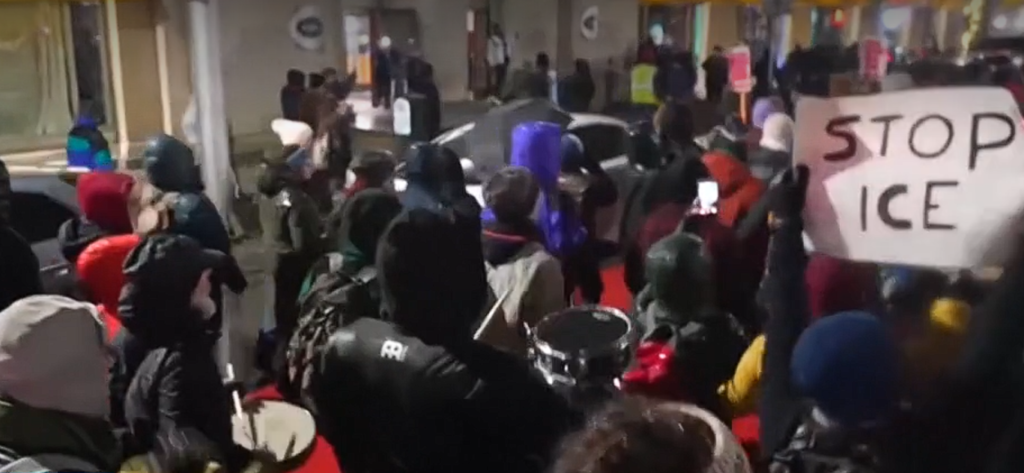
Across political aisles, reactions vary widely. Democratic lawmakers have condemned the shooting, and some have proposed withholding funding from DHS or restructuring ICE altogether, demanding accountability and reforms to prevent future tragedies. Meanwhile, the Trump administration has defended the ICE agent’s actions, saying they were justified and necessary to ensure public safety.
This political clash is not simply rhetorical. Some Democrats have suggested linking immigration enforcement reform to key budget debates, highlighting that ICE’s operational authority and funding could be leveraged to force policy changes.
Legal and Ethical Questions About Use of Force and Accountability
Beyond the political arena, legal experts and law enforcement specialists are scrutinising the circumstances of the shooting, particularly the application of use-of-force standards in civilian settings. Analysts point out that federal agents traditionally operate under stricter guidelines than local police, especially in community environments far from border zones. Some experts have described the shooting as inconsistent with accepted policing tactics when interpreting available video evidence.
Further complicating the discussion is the question of investigation transparency and accountability. Civil rights groups and local authorities have criticised federal investigations as opaque, fueling demands for independent oversight or state participation in the inquiry.
What This Means for Immigration Policy Going Forward
This episode has widened the national dialogue on immigration enforcement in the United States, forcing political and public debates that go beyond party lines. Key questions now include:
- Should ICE’s operational authority be reined in or restructured?
- How should the government ensure the protection of individual rights while enforcing immigration laws?
- What standards should govern the deployment of federal enforcement agents in civilian areas?
- How will future funding negotiations factor in enforcement accountability?
For many lawmakers, including Senator Murphy, the answer is clear: reform is long overdue. Murphy and his allies are pushing for legislative efforts and budgetary leverage to redefine how ICE operates, aligning enforcement with constitutional protections and reducing scenarios that lead to violence or community mistrust.
A Defining Moment in U.S. Immigration Enforcement
The combination of a highly controversial shooting, political denunciations, national protests, and legislative pressure has transformed what was already a heated debate about immigration into an urgent national conversation about justice, civil rights, and the rule of law. As Senator Murphy insists, and as protests indicate, the current model of enforcement under ICE has become a flashpoint for broader concerns about human dignity, government accountability, and the fundamental values the United States claims to uphold.
Whether this moment leads to tangible policy reform or greater institutional scrutiny remains to be seen, but one thing is certain: the nation is watching, reacting, and demanding answers.
Subscribe to trusted news sites like USnewsSphere.com for continuous updates.