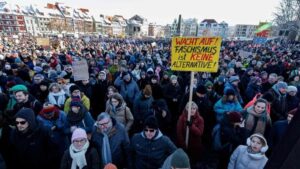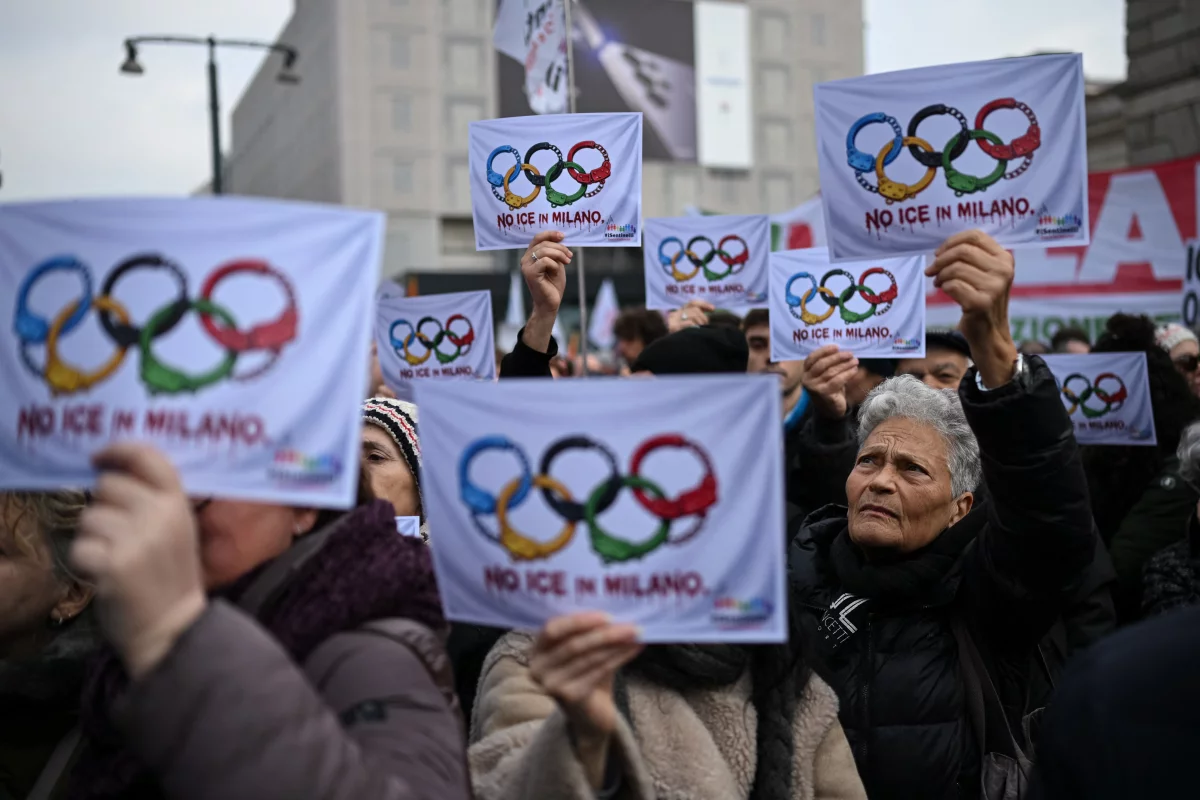
As the 2026 Milano-Cortina Winter Olympics approach, massive protests have erupted in Milan against the decision to involve U.S. Immigration and Customs Enforcement (ICE) agents in the event’s security operations, drawing international attention and fierce criticism from Italian leaders and citizens alike. The Games begin on February 6. Hundreds marched through central Milan in Piazza XXV Aprile, chanting and holding signs condemning ICE’s role and associating its presence with broader concerns about human rights and fascism.
The essence of the protest is simple but powerful: many Italians and activists reject the inclusion of ICE, an agency primarily known for domestic immigration enforcement in the U.S., arguing that its involvement tarnishes Italy’s commitment to civil liberties and violates the spirit of the Olympics. This situation has turned into one of the most talked-about non-sporting issues linked to the 2026 Games, making the story not just a local political dispute but an event with global implications.
What Sparked the Protest and Who Is Involved
The controversy began after announcements that a unit of the U.S. Department of Homeland Security’s Immigration and Customs Enforcement would be deployed as part of the U.S. security contribution for the Winter Olympics, focusing on behind-the-scenes threat assessment and intelligence sharing. Experts point out that this is not a frontline immigration enforcement role, but critics in Italy remain unconvinced.
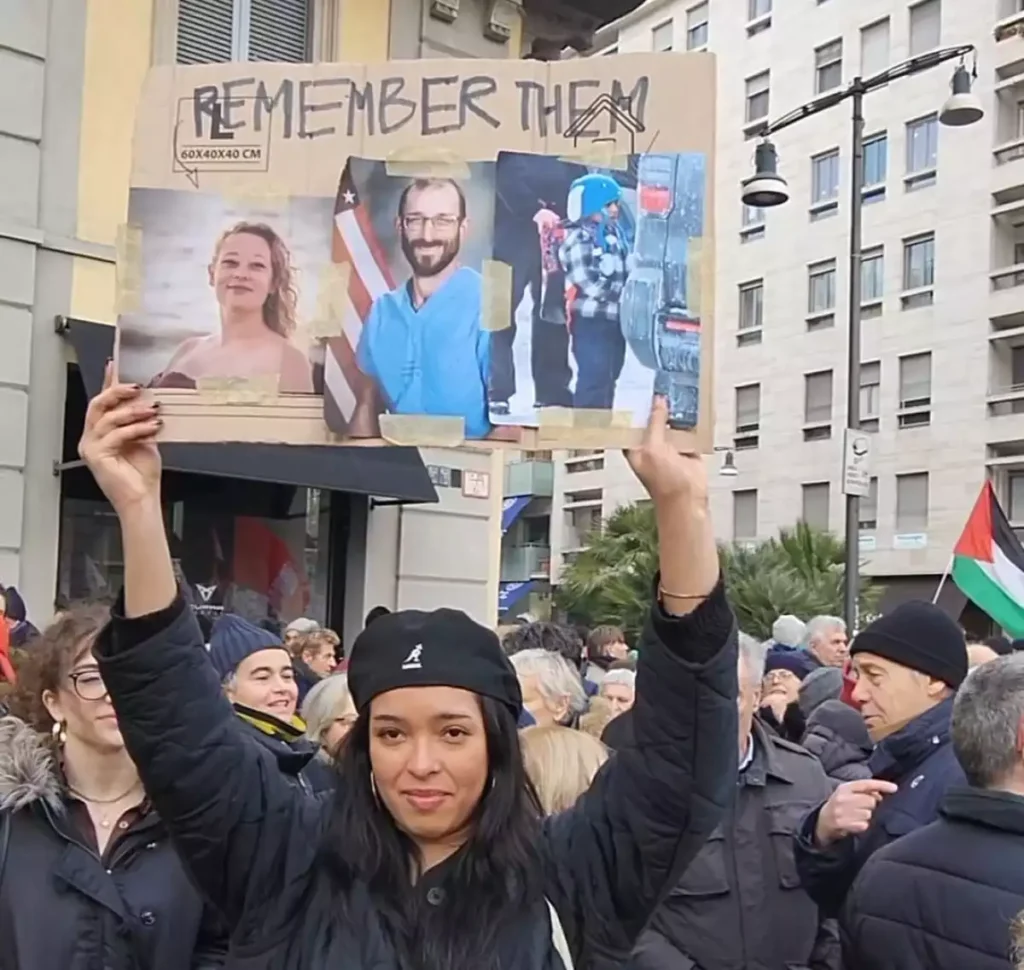
Demonstrators in Milan included broad coalitions — from the left-leaning Italian Democratic Party to major labor unions and historical anti-fascist groups like ANPI — all united in opposition. Some protest signs invoked historical memory and modern political concerns alike, with slogans referencing human rights campaigns and even drawing parallels to controversial events involving ICE in U.S. cities such as Minneapolis.
Milan’s mayor, Giuseppe Sala, publicly stated that ICE agents were not welcome in the city, describing the choice as out of step with Italian values. Likewise, opposition figures and activists argue that any foreign enforcement presence — even one with a limited mandate — should not be part of a global celebration of peace and unity.
Why This Matters Now: Olympics, Rights, and Global Perception
This protest matters because it intersects with multiple global concerns: how large international events incorporate security partnerships, how nations navigate public sentiment, and how human rights narratives shape global policies. With less than a week to go until the opening ceremony of the Winter Olympics, the controversy has transformed a sporting event into a broader test of diplomatic relations and civil liberty advocacy.
The debate has also placed pressure on Italy’s national government. Italy’s Interior Minister Matteo Piantedosi was called to Parliament to explain the decision amid mounting political pressure. Meanwhile, Italy’s Foreign Minister sought to reassure the public that ICE members operating at the Games would not perform enforcement duties on Italian soil.
Opposition Voices and Local Leaders Respond
Activists and critics have used strong rhetoric. Some compared ICE to oppressive historical forces, while others drew direct links to controversial enforcement actions in the United States in recent months. These narratives feed a broader political conversation about globalization, sovereignty, and cultural identity — especially relevant in a country with a complex political past like Italy.

Italian political figures have split over the issue. While the mayor of Milan and many opposition voices have condemned the involvement, some national leaders emphasize cooperation and downplay fears, asserting that the ICE presence is strictly limited and will not interfere with Italian jurisdiction or public order.
The clash of perspectives has turned what might have been a routine security arrangement into a defining moment for discussions about law enforcement roles at international events.
Potential Impacts on the Olympics and Beyond
Beyond public rhetoric and marches, the protests may influence how future global sporting events address security partnerships. Olympics planners now must balance diplomatic relations, public perception, and operational effectiveness — all under intense global scrutiny. This debate may reshape how countries involve foreign agencies and how host nations respond to citizen concerns.
For athletes and attendees, the controversy doesn’t directly affect competition, but it frames the Games within a larger narrative about civil liberties and international cooperation. With world leaders expected at the opening ceremony, including high-level U.S. officials, the situation adds diplomatic layers to an already complex global event.
Global Reaction and What Comes Next
International reaction has been mixed. Some observers commend Italy for engaging citizens in critical debate, while others worry the controversy distracts from the spirit of the Olympics. Regardless, the issue has sparked a broader global dialogue about human rights, national sovereignty, and the role of law enforcement in international gatherings.
As the Winter Olympics draw nearer, all eyes will be on Milan and how this dispute evolves, potentially setting precedents for future host cities and international partnerships.
Subscribe to trusted news sites like USnewsSphere.com for continuous updates.