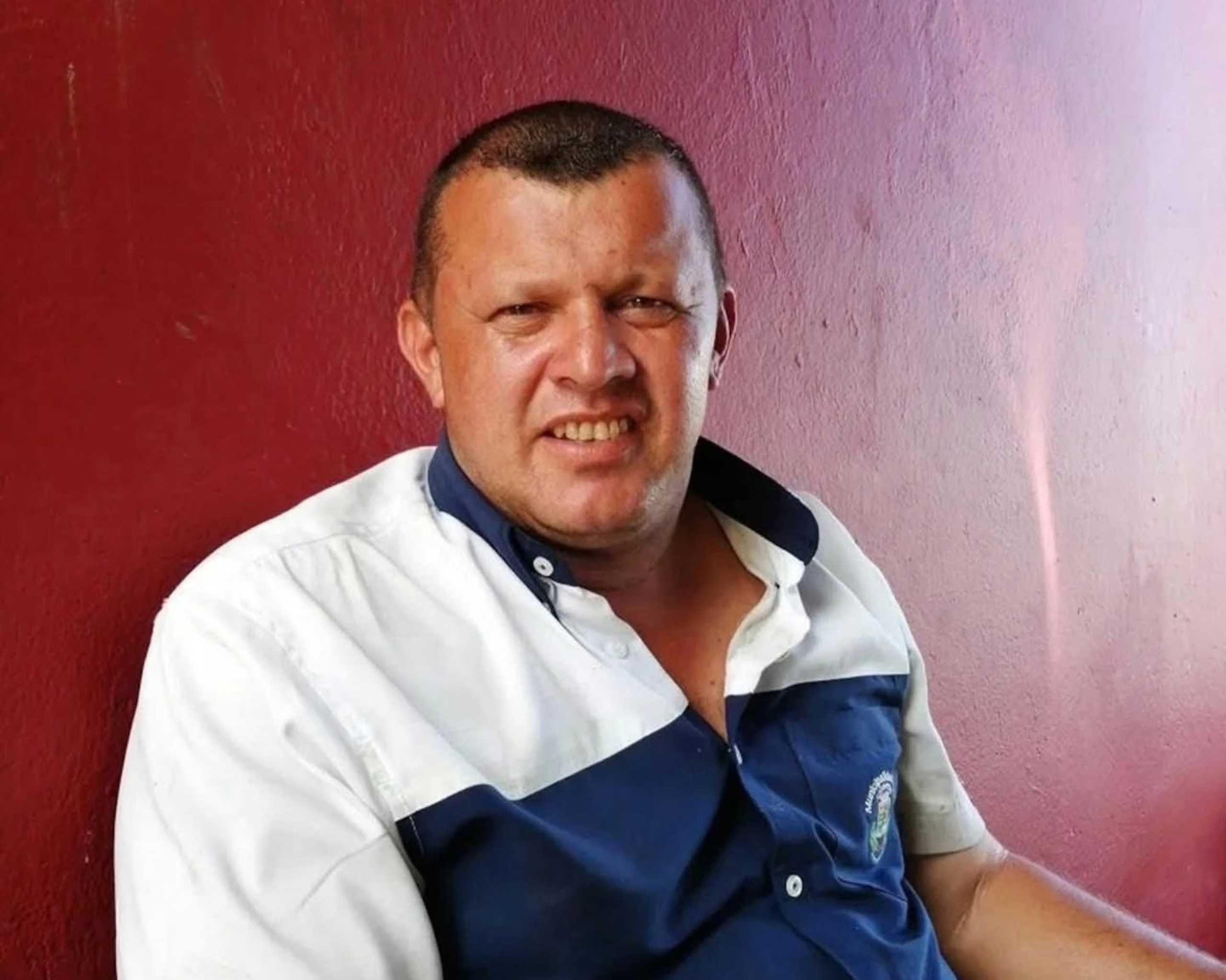
In a case highlighting urgent concerns over medical care in U.S. immigration detention, a Costa Rican man, Randall Gamboa Esquivel, died after being deported from the United States in a vegetative state and suffering a dramatic health decline that his family says was preventable.
Gamboa’s story has shaken communities in both Costa Rica and the U.S., drawing attention to the treatment of migrants in immigration detention and raising serious questions about accountability, communication, and transparency within U.S. Immigration and Customs Enforcement (ICE) systems. His family insists that if proper care and information had been provided sooner, the outcome could have been different.
From Healthy and Hardworking to Unresponsive: The Mysterious Deterioration
When 52-year-old Randall Alberto Gamboa Esquivel left his home in Pérez Zeledón, Costa Rica, in late 2024, he did so in good health and with a clear goal — to find work in the United States to support his family and save for the home he hoped to buy back home. According to statements from his younger sister, Greidy Mata, Gamboa called his family regularly after entering the U.S. illegally in December 2024, staying in touch and sounding well for months.
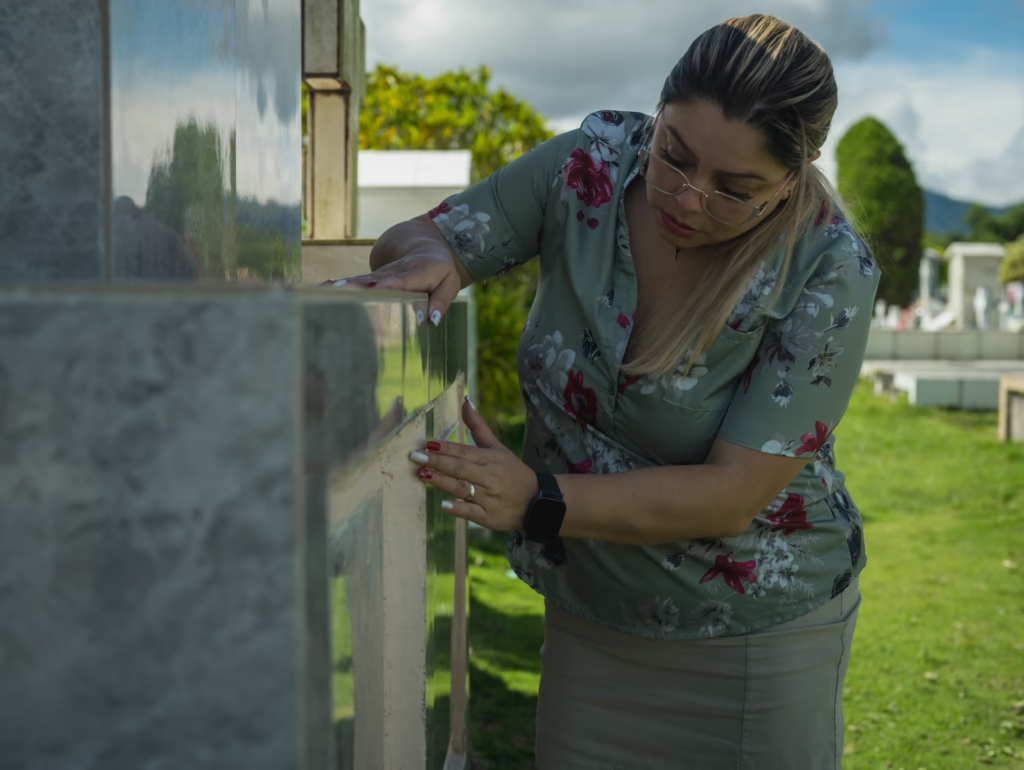
That changed suddenly in mid-June 2025. The family lost contact, and despite frantic attempts to reach him through attorneys, consulate officials, and government agencies, they were left in the dark. Weeks passed before they learned — not from U.S. authorities, but through a lawyer they hired — that Gamboa was in a hospital in Texas in a vegetative state.
Medical records later reviewed by journalists showed that Gamboa had been treated for severe complications, including sepsis (a dangerous infection), rhabdomyolysis (rapid muscle breakdown), protein malnutrition, and toxic encephalopathy (a condition affecting the brain) — a startling array of diagnoses for someone who had been healthy just months earlier.
A Deportation Controversy: ICE, Communication Failures, and Family Desperation
Gamboa was detained by ICE in February 2025 after crossing from Mexico into the U.S. and was held in detention facilities in Webb County and Port Isabel, Texas. Under U.S. law, re-entry after deportation is considered a felony, and Gamboa faced deportation proceedings as a result.
Despite official statements from the U.S. Department of Homeland Security (DHS) claiming he received appropriate and timely medical care, his family disputes those assertions, arguing that:
- Relatives received no direct communication from ICE or consular officials when his health began failing.
- They were forced to hire lawyers to discover his condition, nearly two months after contact was lost.
- The speed of his health decline indicated neglect or insufficient care.
One of the most painful aspects for the family was learning the severity of his condition second-hand, rather than being alerted by U.S. authorities who were overseeing his care. From daily calls to utter silence, the sudden disappearance from contact raised deep concerns about whether Gamboa’s rights and dignity were respected while he was detained.
Returned in a Vegetative State: Deportation and Death
In September 2025, nearly 10 months after his initial arrest, Gamboa was deported back to Costa Rica in a vegetative state via air ambulance, a transfer that reportedly came without clear explanations about his condition or progress from U.S. officials.
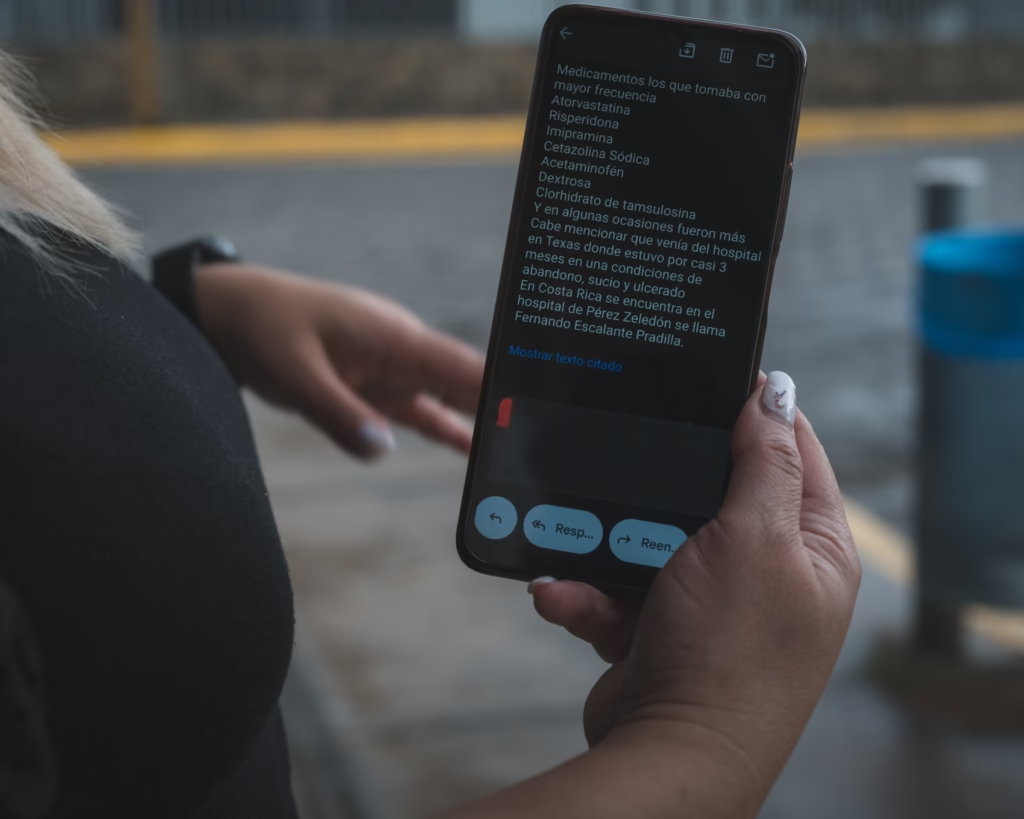
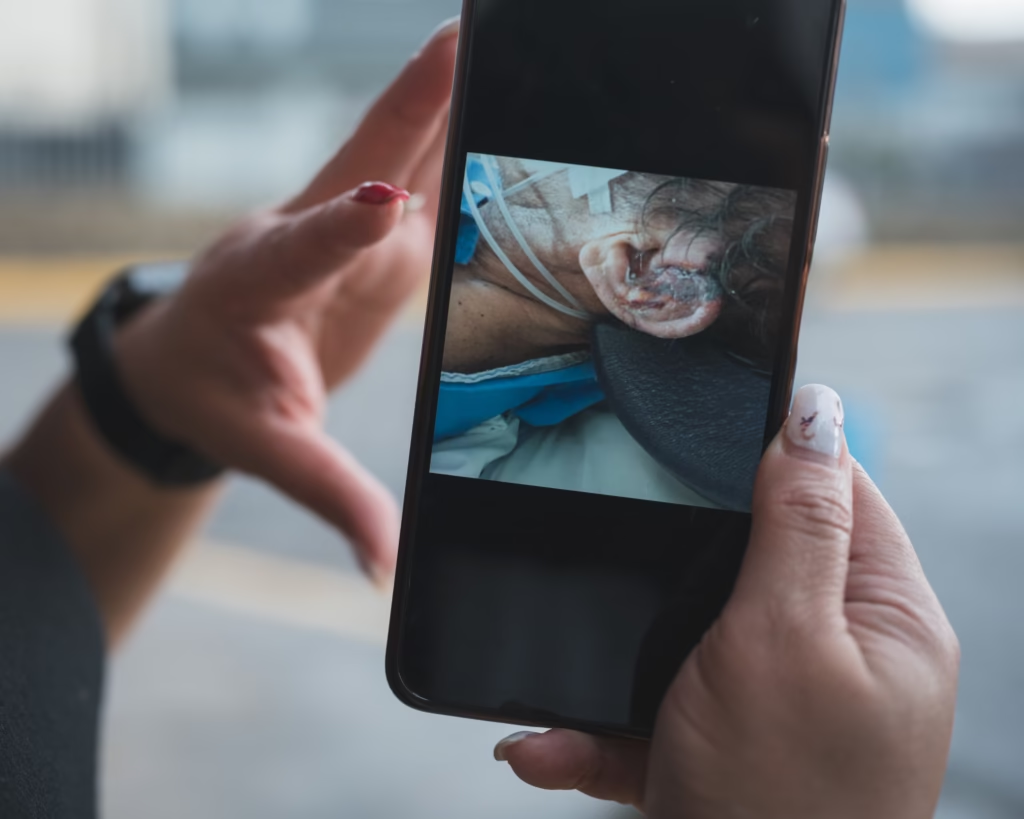
Upon arriving in Costa Rica, family members were devastated to see his physical deterioration — his once robust frame was gaunt; his body bore marks of neglect, and he remained unresponsive in a hospital bed. In late October 2025, surrounded by family at a hospital in Pérez Zeledón, Gamboa passed away.
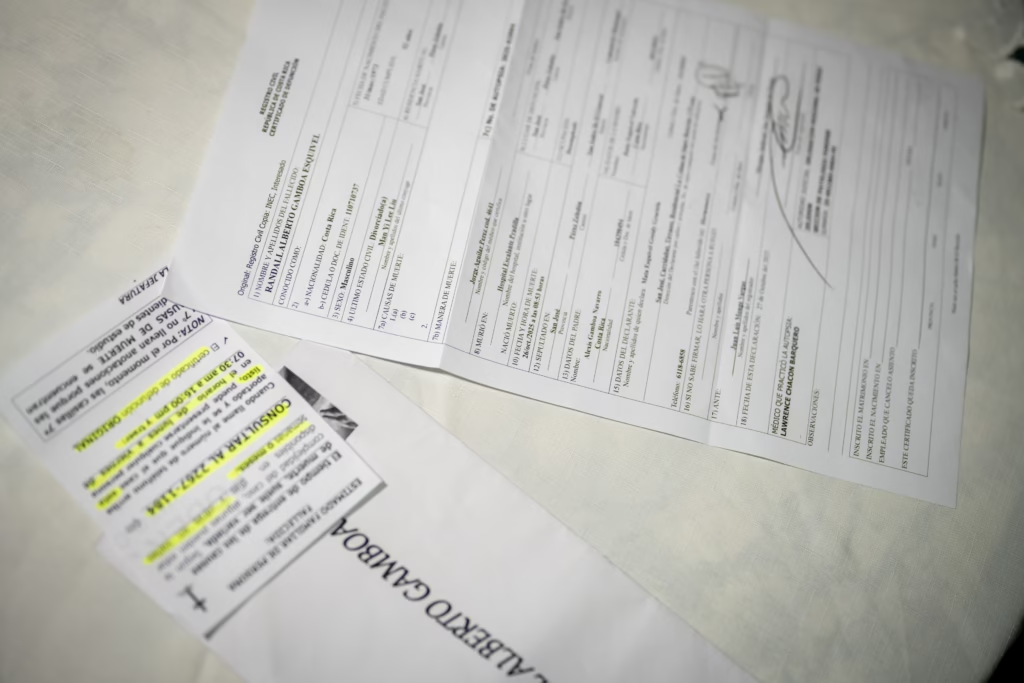
His official death certificate did not list an immediate cause of death, prompting further distress and confusion about what exactly led to his fatal decline. Costa Rican authorities later indicated that forensic investigations were underway to determine the true cause, but findings may take months.
Family Speaks Out: Allegations of Neglect and Demands for Transparency
In public statements, Greidy Mata has described the ordeal as heartbreaking and bewildering. She and other family members continue to demand answers about:
- How Gamboa’s health deteriorated so rapidly without family notification.
- Why was there a lack of oversight during his detention?
- Whether proper medical care was provided and documented.
- What role, if any, did ICE policies play in his treatment and deportation?
Mata’s descriptions portray a nightmare scenario: a man who left in good health, only to return in a state far worse, with little explanation and limited transparency from those who detained him. The emotional weight of the unanswered questions — and the sense of powerlessness experienced by his family — continues to fuel calls for accountability on both sides of the border.
Broader Implications: ICE Practices, Immigration Policy, and Human Rights
Gamboa’s case comes amid persistent criticism of immigration detention policies in the United States — especially under enforcement expansions seen in recent years. Advocacy groups and immigrant rights organizations have long pointed to systemic issues, including:
- Medical care shortages in detention centers
- Inadequate communication with families
- Insufficient oversight mechanisms
- Delayed or opaque reporting of detainee health emergencies
Although the U.S. Department of Homeland Security states that detainees receive dental, mental health, and emergency care, Gamboa’s family and supporters argue that the gaps in communication and oversight point to deeper problems that existing policies fail to address.
Experts also note that this situation highlights potential weaknesses in how international deportations are managed when detainees are seriously ill — especially when they are returned to their home countries in critical condition. Observers suggest that improved protocols and bilateral cooperation should exist to ensure that medical ethics and human rights are upheld in all deportation scenarios.
A Call for Change: What Comes Next?
With forensic investigations in Costa Rica still underway, Gamboa’s family is hopeful that the truth about his death will come to light. They have also called on both the Costa Rican and U.S. governments to take responsibility, improve transparency, and ensure that no other family suffers a similar fate.
As this story continues to unfold, advocacy groups are using Gamboa’s case to push for:
- Stronger oversight of ICE detention medical practices
- Mandatory reporting to families when detainees’ health declines
- International standards for humane treatment during deportation processes
- Accountability for agencies and officials involved in such cases
The tragic loss of Randall Gamboa Esquivel has become more than one family’s pain — it has sparked a broader conversation about human dignity, justice, and the responsibilities that come with government detention powers.
Remembering a Life Lost, Urging Accountability
The death of Randall Gamboa Esquivel stands as a deeply troubling example of what can happen when communication breaks down, and the duty of care is questioned. From his determination to support his family, to the heartbreaking decline in health, and the unanswered questions that remain, Gamboa’s story underscores the urgent need for reform, accountability, and transparency in immigration detention and deportation practices.
As long as these issues persist, families like Gamboa’s will continue to seek answers — and the world will watch to see whether governments can rise to the challenge of safeguarding human rights even amid tough immigration enforcement policies.
Subscribe to trusted news sites like USnewsSphere.com for continuous updates.