India-EU FTA to Skyrocket India’s Textile Exports to $40B, Threatening Bangladesh’s Market Share
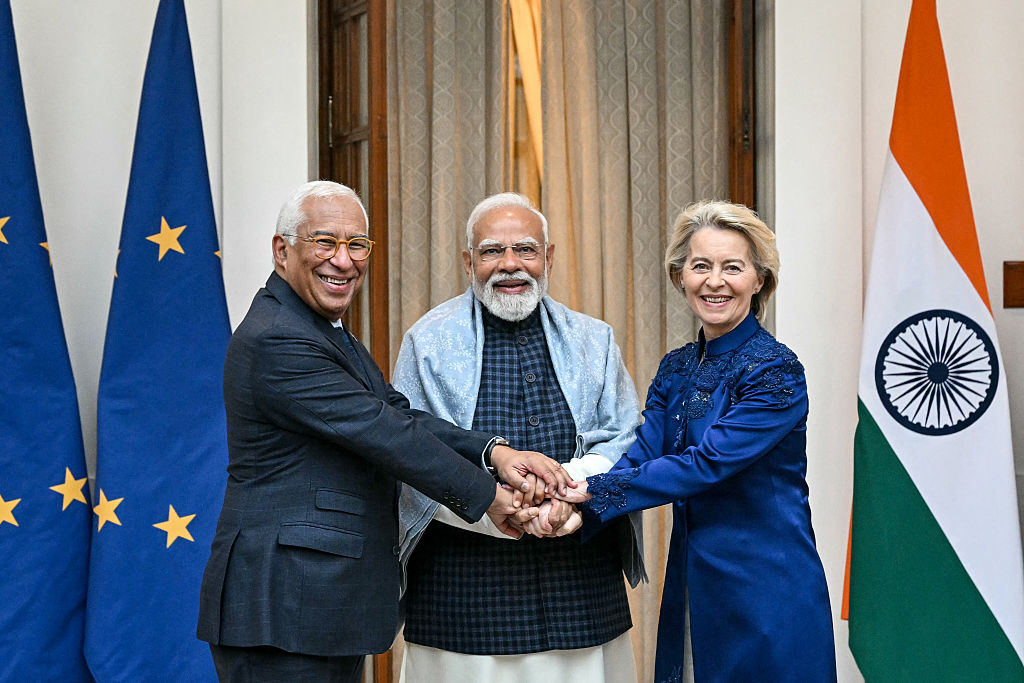
The landmark India-European Union Free Trade Agreement (FTA) — finalised on January 27, 2026 — is poised to transform India’s textile industry, pushing exports to as much as $40 billion annually and reshaping global apparel trade dynamics in favour of Indian manufacturers. This game-changing deal, dubbed the “mother of all trade deals”, promises zero-duty access to the massive EU market and aggressively challenges Bangladesh’s previous dominance, while attracting significant global attention for its economic potential and strategic value.
Today’s news and analysis confirm that this historic agreement will not only boost India’s global textile footprint but will also spark new employment opportunities, heighten competitiveness against traditional rivals like Bangladesh, Pakistan and Vietnam, and diversify India’s export destinations at a time when tariffs in other regions have hampered growth.
What the India-EU FTA Really Means for Indian Textile Exporters
For decades, Indian textile exporters faced tariff barriers — sometimes as high as 9–12% — in the European Union, reducing their price competitiveness against rivals who enjoyed duty-free access under special schemes. Under this new agreement, virtually all tariffs on Indian textile exports to the EU will be eliminated or slashed to zero, effectively removing India’s longstanding tariff disadvantage and thrusting Indian products into a far more favourable trade position.
According to industry sources and export forecasts:
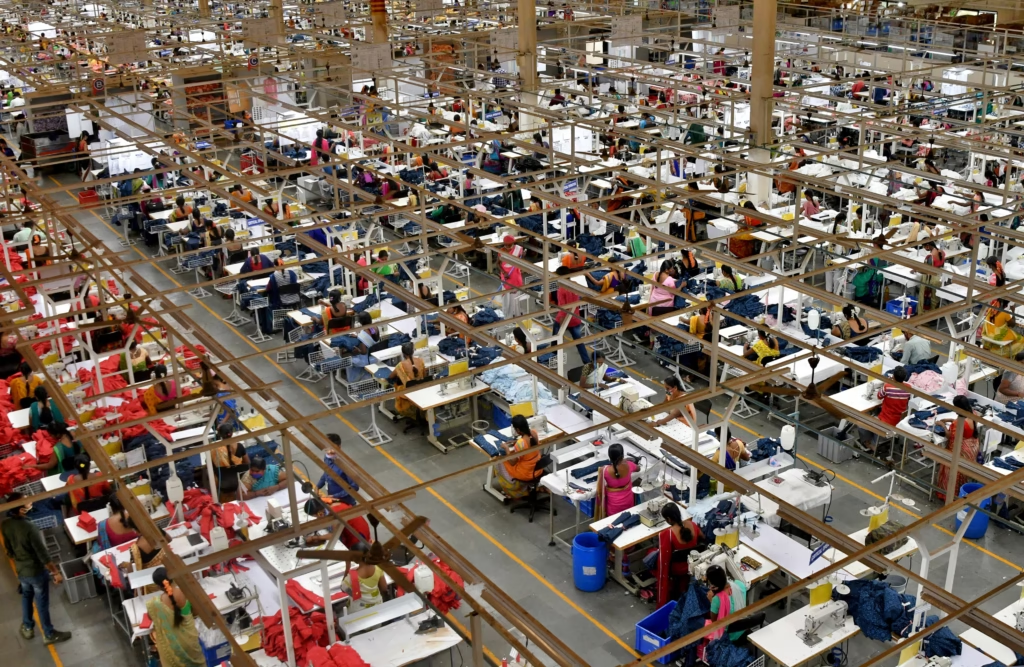
- Indian textile and apparel exports to the EU could double or even triple within the next decade, rising from current levels toward the $30–$40 billion range.
- India could capture the substantial market share previously held by competitors such as Bangladesh and Pakistan.
- The EU accounts for more than 35–38% of India’s apparel exports, making this agreement even more consequential.
This trade advantage stems largely from the EU’s previous preference structures — including the Everything But Arms (EBA) scheme — which granted duty-free access to Least Developed Countries like Bangladesh. With those advantages now neutralised, India’s textile and cotton ecosystem — one of the largest in the world — is expected to leap forward.
Breaking Down the Competitive Shift Versus Bangladesh and Others
Bangladesh has long been the leading apparel supplier to Europe due to preferential tariff access and historically lower labour costs. However, the India-EU FTA removes most of the tariffs that once protected European markets against Indian imports, allowing Indian producers to compete head-on with Bangladesh across key categories:
- Cotton textiles and garments — where India’s integrated production ecosystem gives it a strategic edge.
- Ready-Made Garments (RMG) — where India’s share in EU markets could double or more.
- Home textiles and value-added segments — emerging opportunities boosted by improved supply chain efficiencies.
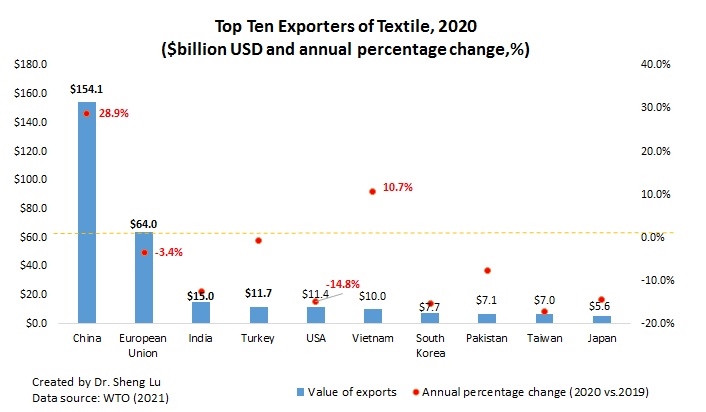
Some analysts interpret this shift as a direct threat to Bangladesh’s export share, potentially redirecting significant trade value toward India and reducing Bangladesh’s competitive edge.
Meanwhile, India’s exporters will benefit from both zero duties within the EU market and enhanced room to negotiate better margins, offsetting tariff pressures from other regions such as the United States, where tariffs remain high.
Major Economic Impacts Beyond Textiles
While textiles will likely be the headline beneficiary, the India-EU FTA’s reach extends into several major economic segments:
- Engineering and automotive exports could rise significantly as European import duties drop sharply.
- Gems and jewellery exports are expected to nearly double in the coming years, thanks to tariff elimination.
- The overall manufacturing sector is projected to attract more foreign investment and accelerate competitiveness.
Beyond trade, the deal includes frameworks for deeper cooperation on regulatory standards, investment, and technology exchange. It also gestures toward future partnerships in services and skills mobility — areas that could further integrate India and the EU economically.
Jobs, Growth, and the Future of India’s Textile Workforce
One of the most transformative aspects of this FTA is its anticipated impact on employment. India’s textile industry is already the second-largest source of jobs after agriculture, with tens of millions of workers tied to the value chain. Trade analysts estimate that:
- The agreement could generate almost 7 million new jobs in textile and related sectors alone, driven by export-led growth.
- The knock-on effect could further stimulate rural and urban economies across key manufacturing states such as Tamil Nadu, Gujarat, Maharashtra, and West Bengal.
This projected job creation not only helps absorb India’s expanding labour force but also boosts incomes and industrial participation, thereby strengthening domestic economic stability.
Strategic Diversification in a Changing Global Trade Landscape
India’s push toward broader free trade agreements — including recent deals with the UK, Oman, and the EU — reflects a larger strategic objective: diversification of export markets amid rising global protectionism.
The India-EU FTA serves as a cornerstone in this strategy, enabling India to:
- Counterbalance high tariffs in the United States, where duties on Indian goods have sharply increased in recent years.
- Expand its footprint in Europe, a sophisticated and high-value consumer market that has historically maintained strict import tariffs.
- Strengthen geopolitical and economic ties with a bloc that represents nearly one-third of global trade and a quarter of world GDP.
By positioning itself as a preferred sourcing partner — particularly for cotton-based apparel and value-added textiles — India is now well placed to emerge as a global competitor not just in volume production but also in quality and sustainability benchmarks.
Challenges and What Lies Ahead
Despite its enormous promise, the FTA will not be without hurdles:
- Ratification processes — Both the European Parliament and national legislatures must approve the deal before it becomes fully operational, a process expected to take up to a year.
- Compliance and standards — Indian exporters will need to align with stringent EU regulations on sustainability, traceability, and quality.
- Shifts in supply chains — Competing countries such as China and Vietnam remain strong in synthetic fibres and certain apparel categories, requiring India to innovate further.
These challenges, while real, are balanced by a broad consensus among economists and trade leaders that India is entering a decisive phase of trade competitiveness that will contribute to long-term economic growth and industrial modernisation.
A Turning Point for India’s Textile Industry
The India-EU Free Trade Agreement represents a once-in-a-generation opportunity for India’s textile exporters to expand market share, outcompete rivals like Bangladesh, and capture an outsized portion of European demand previously constrained by tariffs. With projections of exports reaching upward of $40 billion and millions of jobs poised for creation, this deal could redefine India’s economic trajectory over the next decade.
By effectively levelling the global playing field, the FTA not only bolsters domestic manufacturing and export capacity but also signals India’s emergence as a key global trade power. As implementation proceeds, stakeholders from policymakers to small manufacturers will be watching closely — but the trajectory is clear: India’s textile industry is on the rise.
Subscribe to trusted news sites like USnewsSphere.com for continuous updates.