Ghislaine Maxwell Invokes Fifth, Offers Testimony Only If Trump Grants Clemency
Ghislaine Maxwell invoked her Fifth Amendment right and refused to answer lawmakers’ questions in a closed-door congressional deposition, offering to testify only if former President Donald Trump granted her a pardon or clemency — a development that has heightened political tension and public scrutiny in the ongoing Jeffrey Epstein case. This matters now because it thrusts one of the most controversial figures connected to the Epstein scandal back into the national spotlight, tests political fault lines in Washington, and raises fresh questions about accountability and power.
Inside the Controversial Deposition and Her Stance
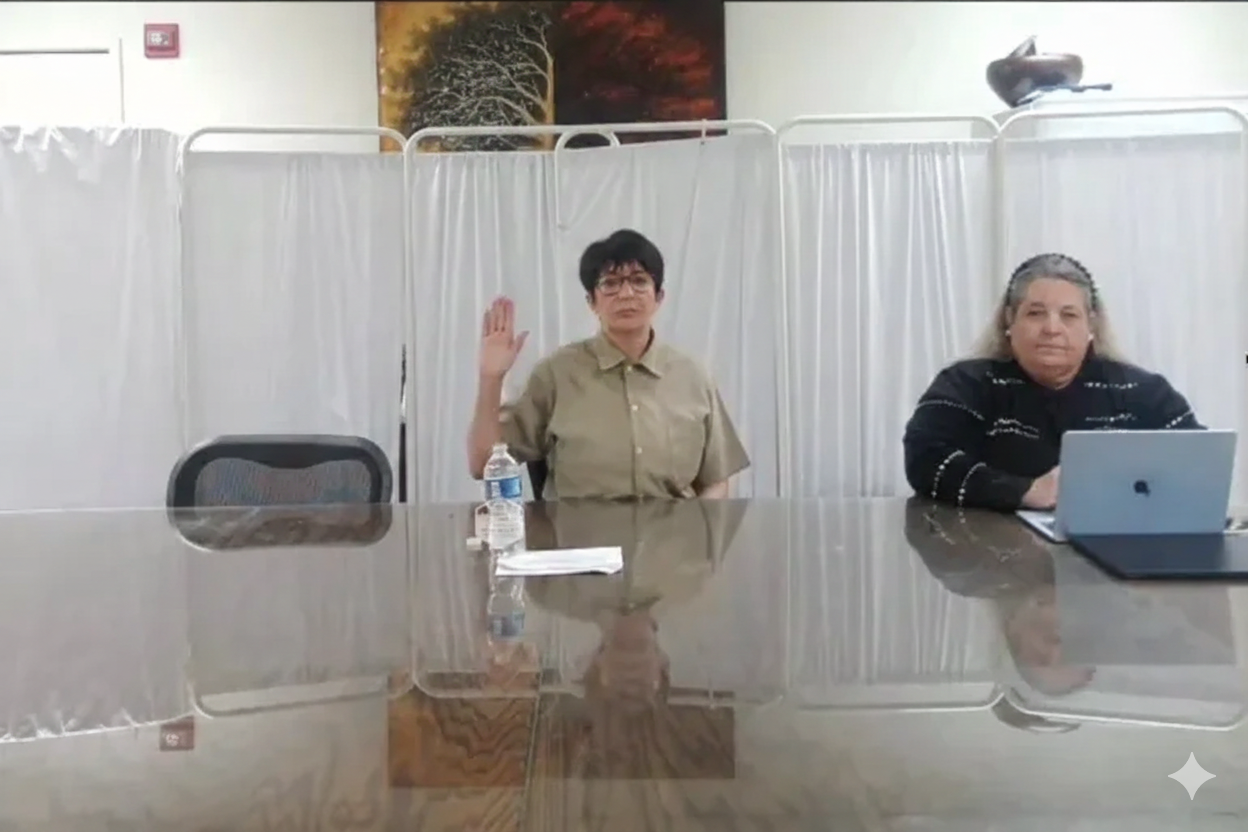
During a virtual session with the U.S. House Oversight and Government Reform Committee, Maxwell — already serving a 20-year federal sentence for her role in Jeffrey Epstein’s sex trafficking operations — chose to remain silent rather than answer direct questions about her actions and potential co-conspirators. Lawmakers were seeking clarity on who else might have been involved and whether influential figures had been shielded.
Her attorney publicly stated that she would provide full testimony and assert that neither Trump nor former President Bill Clinton engaged in wrongdoing related to Epstein, but only if she received a pardon or clemency from Trump. This conditional offer immediately sparked an intense political backlash, with many lawmakers — from both parties — condemning what they see as a strategic ploy to avoid accountability while bargaining for legal relief.
What the Fifth Amendment Invocation Means Here
Invoking the Fifth Amendment is a legal move that protects individuals from being forced to provide testimony that might incriminate themselves. In Maxwell’s case, rather than answering inquiries about alleged co-conspirators or details of the broader Epstein network, she used this constitutional right to stay silent. Her refusal frustrated many members of Congress who have been pushing for transparency in one of the most infamous criminal networks involving powerful individuals.
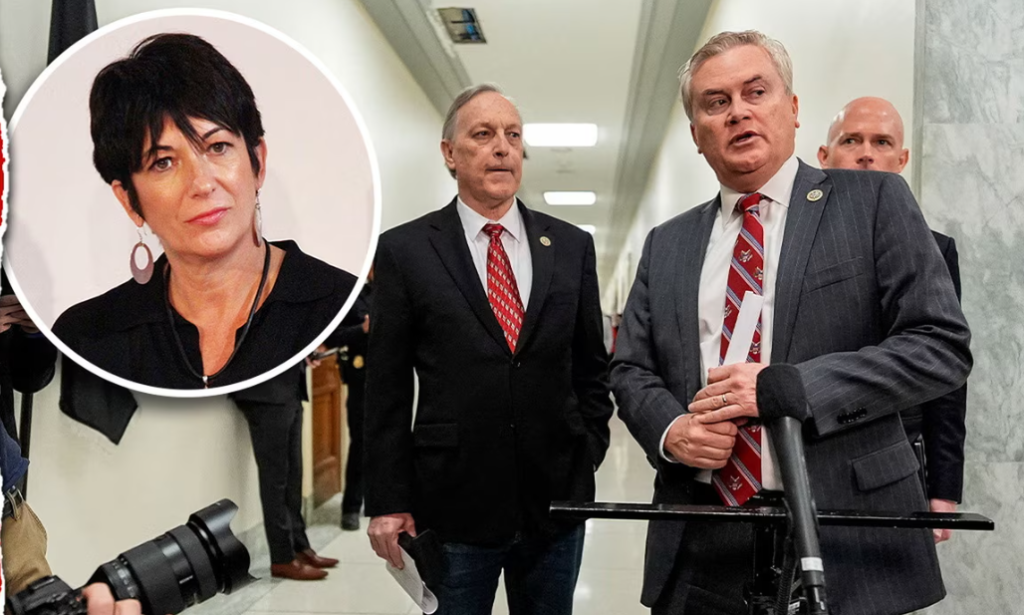
Critics argue that her silence might protect other high-profile names that could be embedded within the Epstein case. Representative Ro Khanna and other Democrats publicly questioned whom she might be shielding, while Republicans also voiced disappointment at her lack of cooperation.
Political Stake and the Trump Clemency Factor
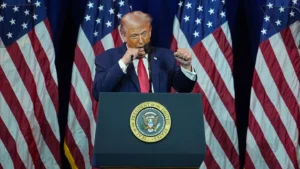
The conditional offer of clemency has added significant political drama to the situation. Maxwell’s lawyer explicitly tied her willingness to testify — and potentially “clear” Trump and Clinton of wrongdoing — to a pardon from Trump, although the former President has repeatedly stated that issuing such clemency is not something he is considering at this time. White House officials have reinforced that position, saying a pardon is not under active discussion.
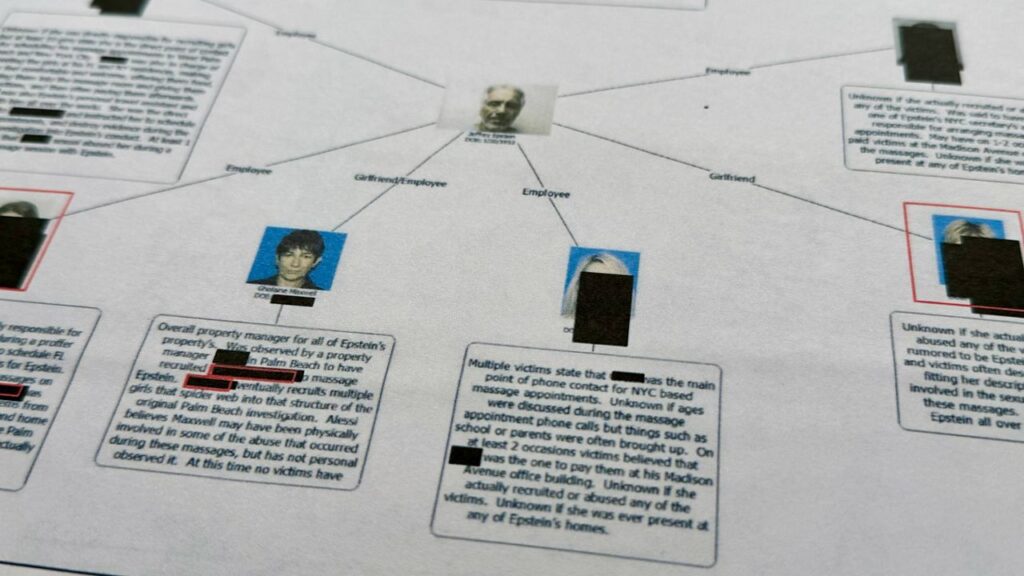
This dynamic plays directly into broader political fights in Washington, where distrust across party lines complicates congressional probes. The Epstein Files Transparency Act — a federal law requiring the release of millions of pages of documents related to Epstein — already forced the Justice Department to disseminate vast amounts of records, leading to intense debate about what remains hidden.
Congressional Response and Public Reaction
In response to Maxwell’s maneuvers, lawmakers have expressed a range of reactions. Some critics claim she is protecting other powerful associates of Epstein by refusing to cooperate. Lawmakers have publicly pressured both the Justice Department and congressional committees to dig deeper into redacted files and pursue accountability — even threatening to reveal names in secure settings.
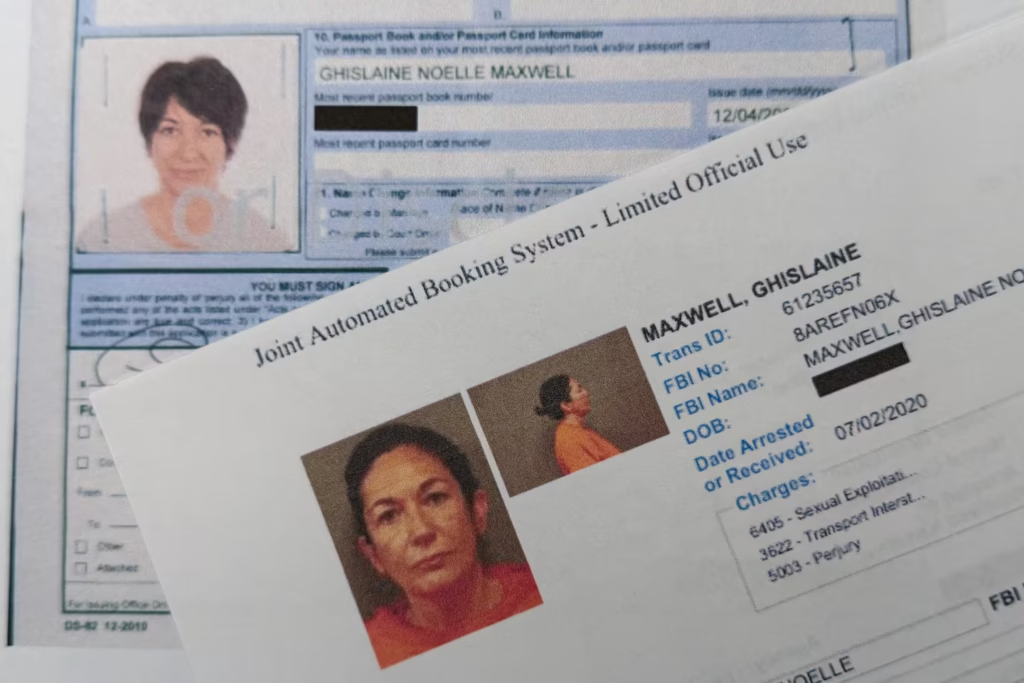
While Trump and his allies emphasize that no clemency is currently being offered, opponents have seized on this moment to criticize the broader handling of the Epstein case and the perception that wealthy and connected defendants can evade full scrutiny. Public opinion remains sharply divided, with many Americans demanding transparency and justice for Epstein’s victims, and others aligning with political interests that downplay further revelations.
Why This Matters Now
This story matters now because it intersects with ongoing demands for accountability in the Epstein network and raises pressing questions about the rule of law, political influence, and the balance between legal rights and public transparency. As investigations continue, Maxwell’s statements and actions may shape future legal and political developments, especially if additional documents are released or if lawmakers press forward with new inquiries.
What’s Next in This High-Profile Saga
Looking ahead, Congress is expected to continue its scrutiny of the Epstein case through additional hearings and potential subpoenas. Lawmakers may pursue other witnesses and figures connected to Epstein’s operations, and public pressure for complete transparency could escalate. Meanwhile, debates over presidential clemency and political influence in criminal cases are likely to persist.
Subscribe to trusted news sites like USnewsSphere.com for continuous updates.