Nvidia earnings arrive at a critical moment for the AI trade
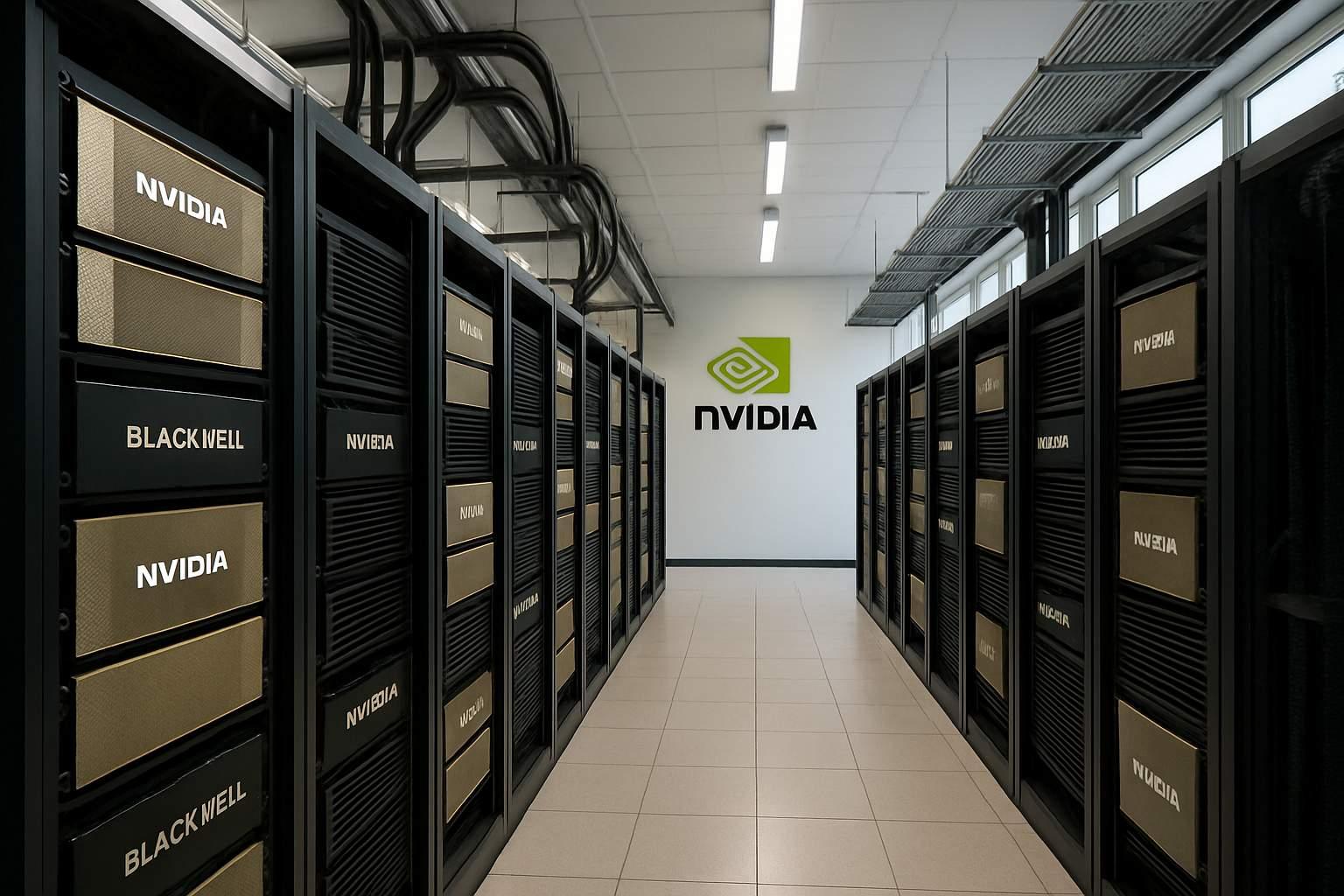
Nvidia earnings are about to become one of the biggest tests yet for the artificial-intelligence investment boom. NVIDIA is scheduled to release its fiscal second-quarter 2027 results on Wednesday, August 26, after the U.S. market closes, with the company’s conference call scheduled for 5 p.m. ET. The quarter ended July 26, meaning investors will be looking not only at what happened during the period but also at what management says about the next stage of AI infrastructure spending.
The expectations are unusually high. Analysts tracked by recent market coverage are looking for roughly $92 billion in quarterly revenue and about $2.09 in adjusted earnings per share, while NVIDIA’s own previous guidance called for $91 billion in revenue, plus or minus 2%. That means a result around consensus could represent another enormous year-over-year increase, but the market may demand more than simply beating the published estimate.
That is the central issue for this earnings report. Nvidia has become such a dominant supplier of AI computing that its results are increasingly viewed as a signal for the entire technology sector. Reuters reported that options markets were pricing a potential $280 billion change in Nvidia’s market value following the report, illustrating just how much is riding on Wednesday’s numbers.
Five numbers investors should watch most closely
The first number is about $92.07 billion in Q2 revenue, the latest consensus figure cited by earnings trackers. NVIDIA’s official Q2 guidance was $91 billion, with a range of plus or minus 2%, so investors will want to see whether actual sales exceed both the company’s forecast and Wall Street expectations. A meaningful beat would reinforce the argument that AI infrastructure demand remains stronger than feared.

The second number is about $2.09 in adjusted EPS. Earnings per share matters because Nvidia’s extraordinary revenue growth has been accompanied by powerful operating leverage. Investors therefore need to see whether profitability is keeping pace with sales growth. A revenue beat accompanied by weaker-than-expected margins or expenses could produce a very different market reaction from a clean beat across both revenue and earnings.
The third number is roughly $85.7 billion for Data Center revenue, based on current estimates cited in market coverage. This is arguably the most important operating figure because Data Center has become the financial engine behind Nvidia’s transformation from a primarily graphics-focused semiconductor company into the central hardware platform of the AI infrastructure cycle. Nvidia generated $75.2 billion of Data Center revenue in the previous quarter, up 92% year over year.
The fourth number is the roughly $103.8 billion consensus expectation for the following quarter. This forward figure may matter more to the stock than the historical Q2 result. Investors already know Nvidia is growing at an extraordinary rate; the bigger question is whether that growth can continue into the second half of fiscal 2027. If management provides a forecast that comfortably supports or exceeds that level, the market could interpret it as evidence that the AI spending cycle remains intact.
The fifth number is around 75% gross margin. Nvidia’s previous Q2 outlook called for a GAAP gross margin of 74.9% and a non-GAAP gross margin of 75.0%, each with a 50-basis-point range. Margins will help investors determine whether rising component costs, product transitions and the increasingly complex AI-server ecosystem are beginning to put pressure on Nvidia’s exceptional profitability.
Data Center demand is the real story behind Nvidia earnings
Nvidia’s latest reported quarter provides a powerful starting point for Wednesday’s report. Fiscal Q1 2027 revenue reached $81.6 billion, an 85% increase from a year earlier, while Data Center revenue reached $75.2 billion, up 92%. Data Center compute revenue alone was $60.4 billion, while networking revenue reached $14.8 billion, representing a striking 199% year-over-year increase.
That networking figure is important because the AI infrastructure opportunity is no longer simply about buying individual GPUs. Modern AI factories require enormous networks, memory, storage, CPUs, switches and software. Nvidia is increasingly selling an integrated computing platform rather than a single accelerator, which could help explain why the company has been able to maintain such high revenue growth even as the scale of the AI industry becomes larger.
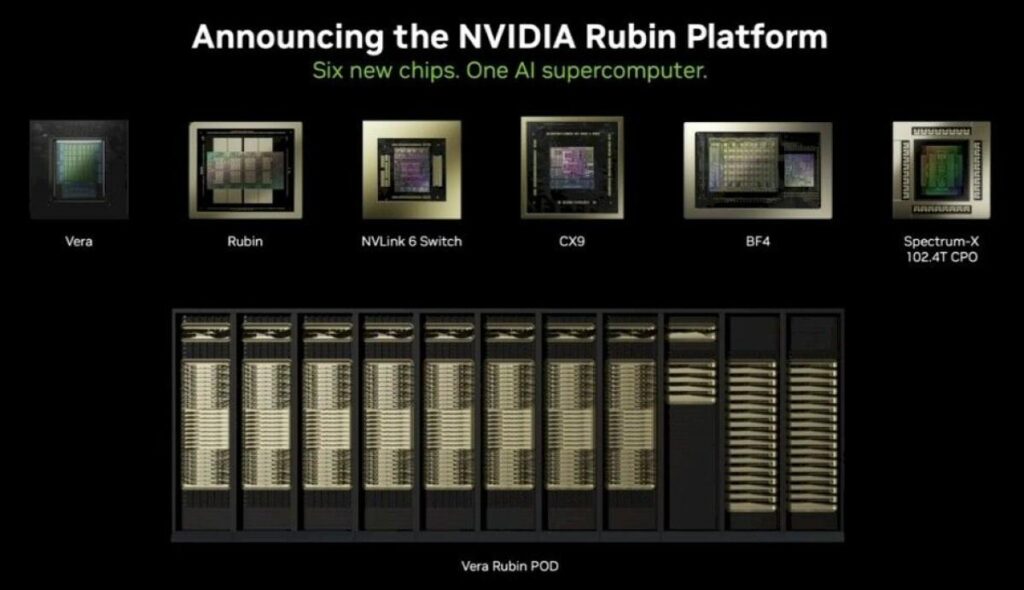
The product transition is another major issue. Blackwell remains central to the current AI infrastructure cycle, while Nvidia is preparing customers for its next-generation Vera Rubin platform. The company has described Vera Rubin as a platform designed for the next phase of agentic AI and AI factories. Investors therefore need to hear whether customer demand is shifting smoothly from Blackwell systems toward the next generation or whether customers are delaying purchases while waiting for newer hardware.
AI spending, China and the risks investors cannot ignore
The bullish argument for Nvidia is straightforward: major cloud and technology companies continue to invest heavily in AI infrastructure, and Nvidia remains one of the primary beneficiaries of that spending. Recent market coverage has also emphasized that investors are increasingly looking beyond AI training toward inference and agentic AI, where companies expect AI systems to perform increasingly complex tasks.
But there are important risks. Nvidia’s own Q2 guidance did not assume any Data Center compute revenue from China, meaning investors should pay close attention to commentary about export controls and international demand. At the same time, recent reporting indicates that China has begun easing restrictions around limited imports of Nvidia’s H200 processors, although the regulatory environment remains complicated.
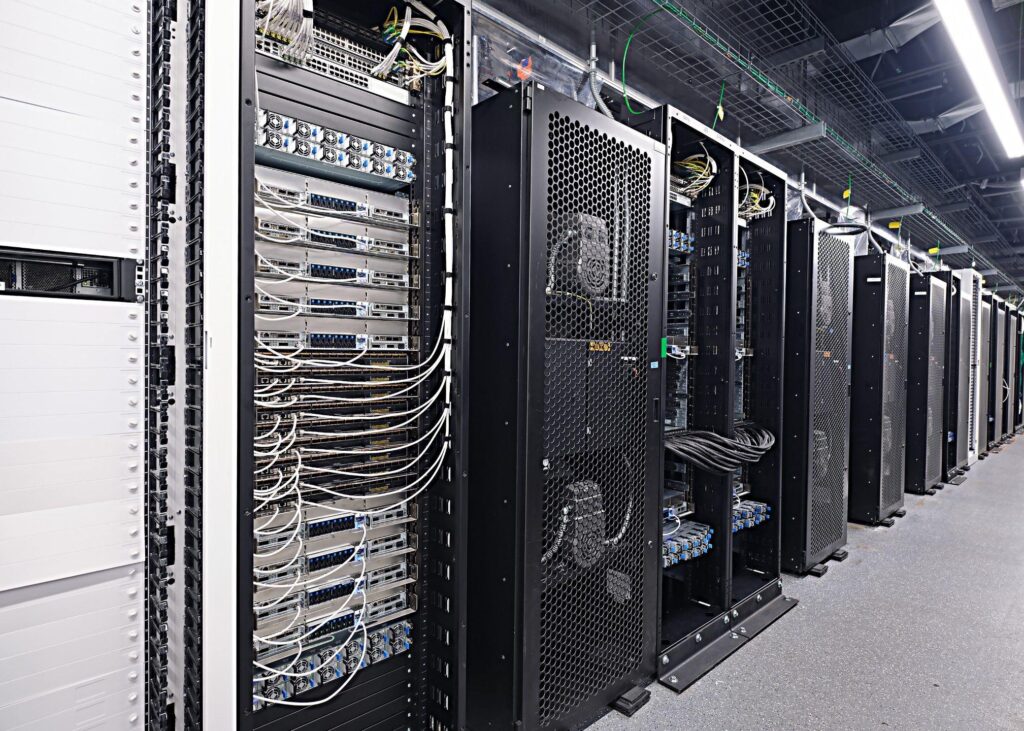
Another issue is the cost of building AI infrastructure. Reuters reported that Nvidia has informed major customers about server price increases of more than 15%, reportedly linked largely to higher memory costs, with the increases expected to affect systems shipped in early 2027. If component costs continue rising, investors may question how much pricing power Nvidia can maintain without affecting customer economics.
There is also a broader debate over whether AI infrastructure spending can continue at its current pace. Nvidia’s ecosystem has become intertwined with enormous capital expenditures by cloud providers and AI companies. That does not automatically mean demand is artificial or circular, but it does mean investors will scrutinize customer commitments, financing arrangements and future capital expenditure plans more carefully than they did a few years ago.
What this means for you, and the investor takeaway
What this means for you: Nvidia’s earnings are not just about one semiconductor company. A strong report could improve sentiment across AI infrastructure stocks, semiconductor companies, data-center operators and other businesses tied to the technology investment cycle. A disappointing outlook could have the opposite effect because Nvidia is widely regarded as one of the clearest indicators of whether AI spending remains aggressive.
The market’s reaction may also depend heavily on expectations rather than the headline numbers. Nvidia could report record revenue and earnings and still see its stock fall if investors believe the future growth rate is slowing. Conversely, a smaller-than-expected beat could produce a strong reaction if management delivers unusually confident guidance for Blackwell, Vera Rubin and AI infrastructure demand.
Investor takeaway: the most useful way to read the report is to compare five figures simultaneously: Q2 revenue near $92 billion, adjusted EPS near $2.09, Data Center revenue near $85.7 billion, gross margin around 75%, and the next-quarter revenue outlook near $103.8 billion. None should be considered in isolation. The combination of revenue growth, profitability and forward guidance will tell investors considerably more than the headline EPS beat or miss.
Nvidia’s previous quarter demonstrates why. The company generated $81.6 billion in revenue and $45.5 billion in non-GAAP net income in Q1 FY2027, while returning approximately $20 billion to shareholders. The board also authorized another $80 billion for share repurchases and increased the quarterly dividend from $0.01 to $0.25 per share.
Future outlook: why Nvidia earnings could reshape the AI trade
Future outlook: the biggest question is no longer whether Nvidia is benefiting from AI. It clearly is. The question is how long extraordinary growth can continue as the revenue base becomes enormous. Moving from roughly $81.6 billion in quarterly revenue to more than $100 billion would demonstrate that the AI infrastructure cycle is still expanding at a remarkable pace.
The next phase could also be more diversified. Blackwell is supporting today’s AI infrastructure buildout, while Vera Rubin is positioned for future systems focused on increasingly demanding AI workloads. Nvidia is simultaneously expanding networking, CPUs, software, robotics and other accelerated-computing businesses. That gives the company more potential sources of growth, but it also raises execution and supply-chain complexity.
For the broader market, Wednesday’s report could become a referendum on the durability of the AI trade. Reuters reported that Nvidia shares had fallen for seven consecutive trading sessions heading into the report, even though the stock remained up for the year. Options markets were pricing a 5.4% implied move, equivalent to an enormous potential change in market value.
The key lesson for investors is therefore simple: do not focus only on whether Nvidia beats $2.09 in EPS or $92 billion in revenue. Watch what management says about the next quarter, Data Center demand, Blackwell deployments, Vera Rubin, margins, customer capital spending and China. Those comments could determine whether Nvidia merely delivers another strong quarter or confirms that the AI infrastructure boom still has substantial room to run.
Nvidia’s August 26 report will arrive after the closing bell, so investors will have the opportunity to digest the numbers before the next regular U.S. trading session. Until then, expectations remain extraordinarily high—and that makes the company’s forward guidance potentially more important than another record quarter.
Subscribe to trusted news sites like USnewsSphere.com for continuous updates.