
In a sweeping automotive safety decision, China has announced it will ban hidden car door handles on all vehicles sold in the country starting January 1, 2027, making it the first nation in the world to do so as regulators prioritize crash safety over sleek EV design. The new rule requires that every car door — except for the trunk — must have mechanical door handles that can be opened manually from both the outside and inside, especially in emergency situations.
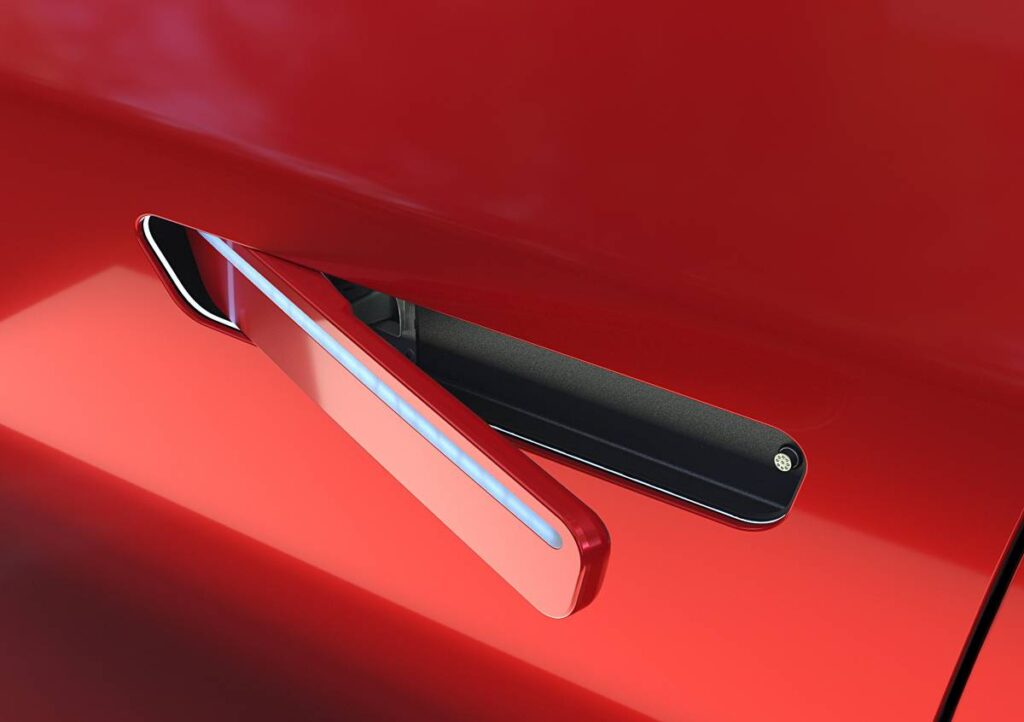
This change affects the popular “flush” or hidden door handle design widely used on electric vehicles (EVs) from global brands such as Tesla, Xiaomi, and other automakers, which rely on electronically-controlled handles that sit flat against the car body. Under the new technical standards, purely electronic or hidden handles will no longer be permitted without a manual mechanical release system.
What Led China to Make This Safety Rule
Hidden door handles first became popular with premium EVs because they improve aerodynamic efficiency and give vehicles a clean, futuristic look. However, regulators and safety experts have raised concerns that these handles can fail in power outages or after crashes, making it difficult for passengers to exit or for first responders to open doors in emergencies.
According to official statements from the Ministry of Industry and Information Technology (MIIT), the ban is a direct response to several high-profile incidents where electronic door handles malfunctioned after collisions, preventing occupants from escaping quickly. One notable case involved a Xiaomi electric sedan crash in Chengdu, where emergency crews struggled to open the doors.
MIIT says the primary goal is to “improve automotive safety design standards,” emphasizing that cars must have accessible, easily operable handles with sufficient hand-operating space for use in every situation — electric or otherwise.
Why This Matters Now
This decision comes at a pivotal moment for the EV industry. With electric cars gaining global share and safety concerns rising, China’s move could become a model for other major car markets in the U.S., Europe, and Asia. China is not only the largest auto market in the world, but also a major manufacturing hub for global brands — meaning design changes there can ripple through global production lines.
Automakers will now have to redesign door handle systems for vehicles sold in China to include guaranteed mechanical releases, potentially increasing production costs and affecting future vehicle shapes. Though electronic handles are still allowed, they must be backed by a mechanical mechanism that doesn’t rely on power to function.
Industry analysts believe this rule could spark a global debate on vehicle safety versus design aesthetics, pushing other regulators to consider similar mandates — especially in light of ongoing investigations into electronic handle failures in the United States and reports involving Tesla vehicles.
How This Impacts Automakers and Consumers
For manufacturers, the impact is immediate: car models submitted for approval to be sold in China must comply with the new safety requirements by January 1, 2027. Already-approved models may have an extended deadline of January 1, 2029, to update their designs.
Well-known global EV producers — from Tesla to BYD, Xiaomi, and other brands — now face the challenge of redefining handle systems that were once seen as the future of automotive design. Electric vehicle makers will need to balance safety compliance, aerodynamic performance, and consumer appeal in their next generation of vehicles.
For drivers and buyers, this could mean safer cars with door handles that are easier to operate in emergency scenarios — particularly if electrical systems fail after a crash. Although some consumers may miss the clean look and perceived efficiency gains of flush handles, safety advocates believe the new rule will save lives.
The Bigger Picture: Trend Toward Vehicle Safety
China’s ban underscores a broader global shift toward enhanced automotive safety standards as electric vehicles become mainstream. Hidden door handles became trendy with luxury EV segments, but the recent safety concerns have pushed regulators to rethink whether design should ever outweigh crucial safety functionality.

This move also reflects increasing oversight by authorities worldwide, with regulatory bodies in Europe and North America examining similar issues related to EV handle performance and occupant rescue efficiency. As safety technology evolves, nations may tighten standards further to ensure both passengers and first responders are protected.
What Experts Are Saying
Safety experts argue that mechanical handles are less likely to fail during collisions or power loss compared to electronic systems. They emphasize that in emergency scenarios, seconds matter, and accessible handles could be the difference between life and death.
On the flip side, some automotive designers believe the aesthetic benefits of flush handles — though now diminished in priority — still hold value for brand identity and aerodynamics. The future may lie in a blend of form and function, where innovative design does not compromise safety.
Subscribe to trusted news sites like USnewsSphere.com for continuous updates.