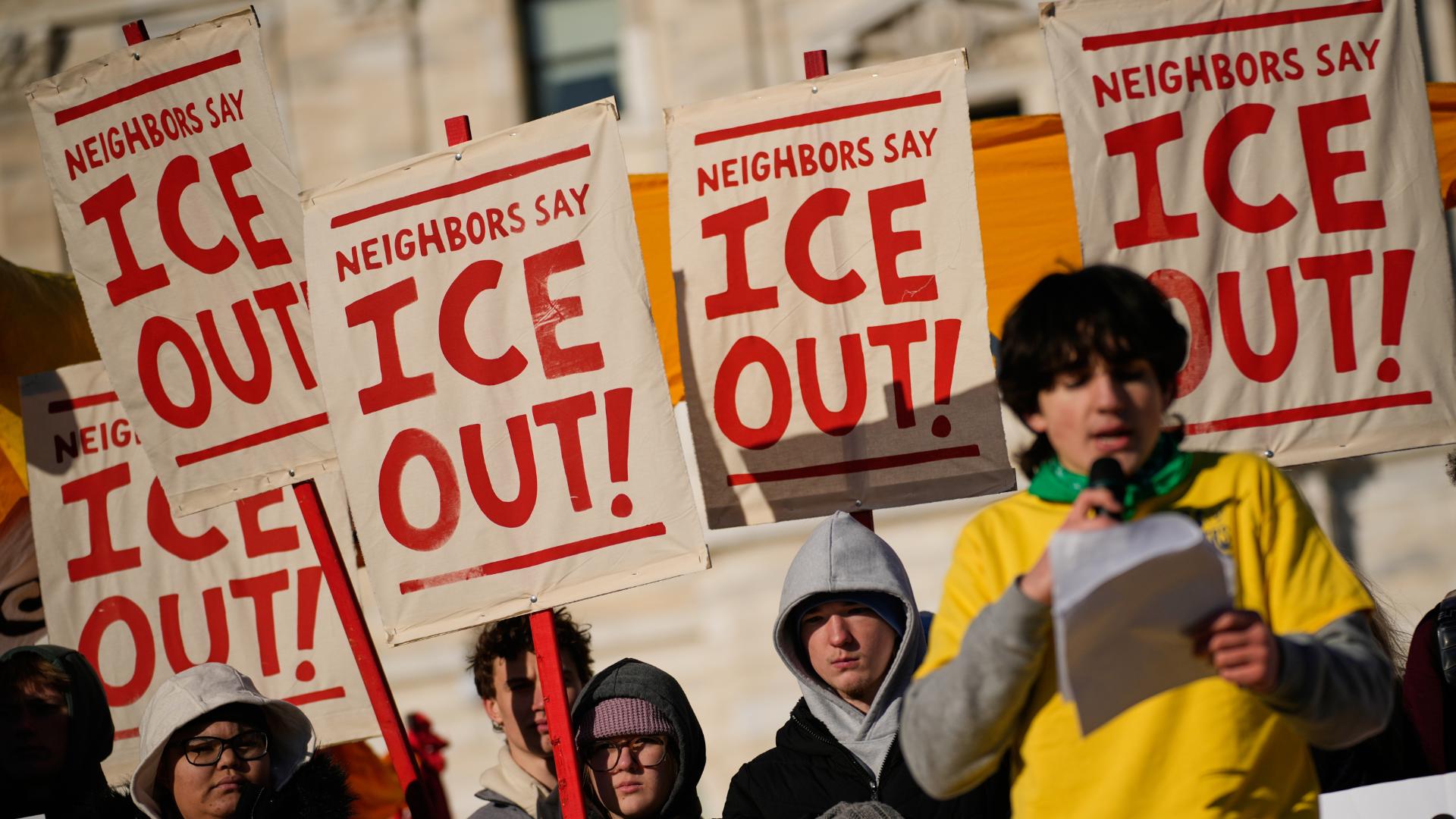
National shutdown: Nationwide ICE Out Strike Sparks Economic Blackout as Americans Protest Immigration Enforcement Policies
On January 30, 2026, a nationwide protest movement is urging Americans to participate in a general strike and economic blackout — meaning no work, no school, and no shopping — to protest recent actions by U.S. Immigration and Customs Enforcement (ICE), including fatal shootings in Minneapolis and broader federal immigration enforcement practices. This mobilization, rooted in grassroots organizing and widespread outrage, aims to pressure lawmakers and call for significant changes to federal immigration policy — a movement gaining traction across the country right now.
This strike moment comes amid growing national debates over immigration enforcement, federal spending on ICE operations, and community safety, with protests spreading beyond Minnesota into cities like New York, Los Angeles, and the Bay Area.
The Origins of the National Shutdown and ICE Out Movement
The call for a broader national strike stems from earlier protests in Minnesota, where thousands took to the streets on January 23, 2026. Locals organized what they called the “Day of Truth & Freedom,” a general strike against federal immigration enforcement after the fatal shootings of Renee Good and Alex Pretti by federal agents. Hundreds of businesses closed, and tens of thousands marched, even in sub-zero temperatures, to demand accountability and the removal of ICE from their communities.
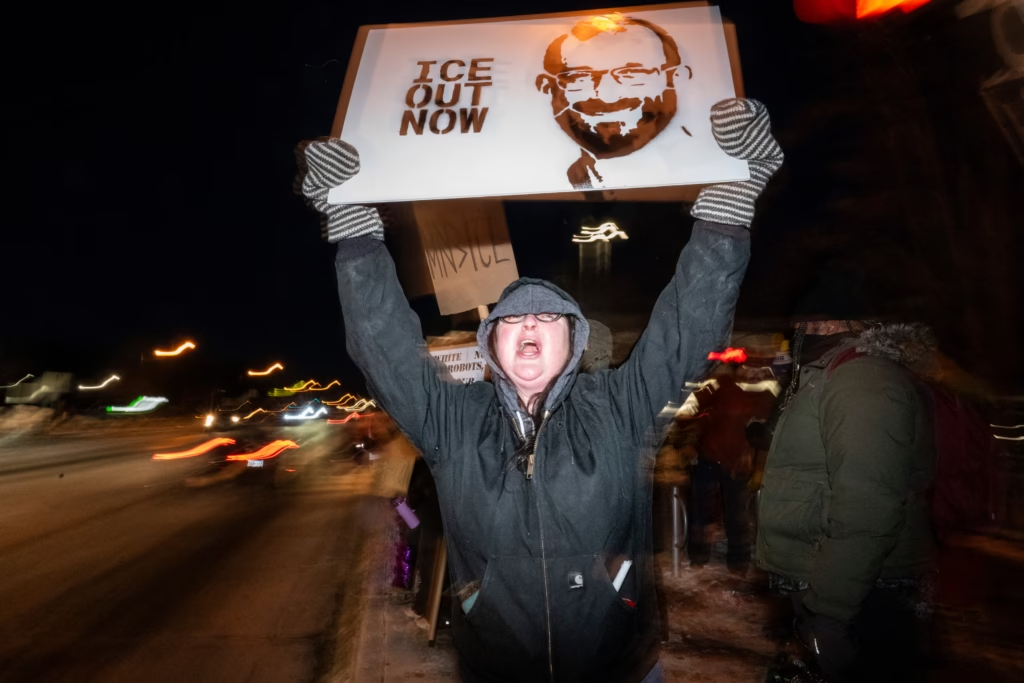
This Minnesota action — one of the biggest U.S. general strikes in decades — provided the groundwork and strategy for the January 30 national shutdown. In response, student groups and labor unions expanded calls for a full-day boycott of work and commerce, hoping to create economic pressure on policymakers.
Who Is Supporting the Strike and Protests?
The national strike is backed by a wide coalition of activists, labor groups, student associations, and community organizations. Celebrities and public figures have also raised awareness on social platforms to amplify the cause.
Across cities, restaurants, cafes, and small businesses have announced closures or solidarity actions. For example, restaurants in New York City — including Land to Sea, Toad Style, and Little Egg — and Bay Area establishments like Bombera and Reem’s have pledged support, citing moral commitments and community ties over profit.
Even though some small businesses argue that closures can hurt finances, others emphasize the historical significance of collective action and stand in unity with immigrant communities.
What the Protesters Demand and Why
Protesters have clear core demands:
- An end to expanded ICE operations and federal immigration crackdowns.
- Defunding or abolition of ICE as currently structured.
- Legal accountability for agents involved in deadly encounters.
- Broader reforms in immigration and border enforcement policies.
These calls are born from a belief that current enforcement practices are harmful to families, communities, and civil rights — not just isolated local issues. Activists argue that federal spending on immigration enforcement should be shifted toward more humane and community-focused approaches.
How the National Shutdown Could Impact Daily Life
January 30’s “no work, no school, no shopping” directive is designed to showcase the nation’s collective economic power. By withholding labor and consumer activity for a day, organizers hope to highlight public opposition to federal immigration actions and influence national policy debates.
If significant participation occurs, businesses could see reduced foot traffic, schools may close or see low attendance, and local protests could draw large crowds across major metropolitan areas — an impact similar to historic protest movements. Participation varies by region, but early reports show strong interest and organization across multiple states.
What Experts and Officials Are Saying
Government officials defending ICE operations argue that enforcement is vital for public safety and involves removing dangerous individuals from communities. However, critics contend that these actions often harm innocent people and disrupt families, pointing to videos and eyewitness accounts that have fueled public outrage.
Meanwhile, protest leaders frame the strike as part of broader civil resistance, comparable to past historic movements where labor and community solidarity shifted national awareness and policy. Whether this moment results in policy change remains to be seen, but for many participants, the strike represents a pivotal effort to reshape national immigration priorities.
The Broader National and Future Impact
As protests spread from Minneapolis to cities like Los Angeles, New York, and San Francisco, January 30 has become more than a regional event — it’s a national statement. Activists hope today’s actions will extend beyond one day and influence future debates on civil liberties, federal enforcement funding, and community safety.
This strike could shape future protest strategy in the U.S., inspire similar nationwide boycotts, and become a defining moment in how Americans respond to contentious federal policies.
Subscribe to trusted news sites like USnewsSphere.com for continuous updates.