
The U.S. intelligence community’s ongoing mystery around Havana Syndrome has taken a dramatic turn after the CIA and Pentagon reviewed a secret pulsed-energy device in Norway that a researcher tested on himself, triggering neurological symptoms similar to those reported by American diplomats and spies over the past decade.
This story matters now because it directly ties the long-debated cause of Havana Syndrome — once dismissed as psychological or unexplained health incidents — to an actual technology capable of producing biological effects, raising urgent scientific, defense, and diplomatic questions around both national security and the health of U.S. personnel abroad.
What Happened in Norway and Why It’s Significant
In 2024, a Norwegian government scientist who had been skeptical about the idea that directed-energy weapons could cause Havana Syndrome secretly assembled and tested a microwave-emitting device on himself. The result: he developed neurological symptoms — headaches, dizziness, and cognitive troubles — remarkably like those experienced by U.S. officials affected by the condition.
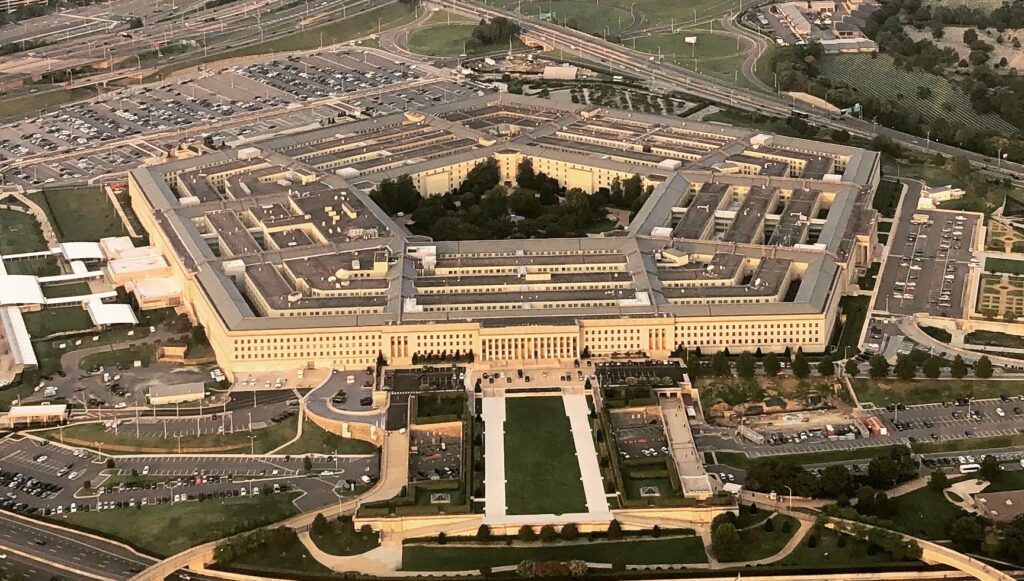
Norwegian authorities informed the U.S. government, prompting visits by Pentagon and White House officials to assess the device’s potential link to anomalous health incidents (AHIs). Although the experiment did not prove that the device was used by foreign powers against American personnel, it confirmed pulsed-energy devices can affect human biology, a key concern for defense analysts.
Unlike past explanations that leaned on environmental or psychological causes, this Norwegian experiment inserted a physical, technology-based factor into the conversation — one that even U.S. defense agencies are now taking seriously.
How U.S. Agencies Are Responding Behind the Scenes
Beyond the Norway incident, U.S. investigators are reported to have obtained another pulsed-energy device through a covert acquisition, suspected of reproducing the effects described by Havana Syndrome victims. This device — potentially linked to foreign components — has been tested by defense intelligence over more than a year, though precise details remain classified.
Sources familiar with the matter say that two U.S. agencies have even revised earlier assessments, now acknowledging a plausible chance that some AHIs could be caused by a foreign-built device. This marks a turning point from prior government positions that largely ruled out foreign technological causation.
Officials have been cautious to confirm whether any foreign nation is directly responsible. Still, the fact that high-level U.S. defense and intelligence personnel are reviewing such technology underscores how seriously the issue is now being treated.
What Havana Syndrome Really Is — Updated Understanding
“Havana Syndrome” is the term used since 2016 to describe a range of mysterious neurological symptoms experienced by U.S. diplomats, intelligence officers, and military personnel stationed overseas. Symptoms range from ear-ringing and headaches to balance problems and memory loss, often without a clear physical explanation.
Original intelligence assessments in 2023 concluded it was “very unlikely” that a foreign adversary was behind these reports. But the introduction of actual pulsed-energy hardware into investigations — devices demonstrated to cause similar effects — means scientific and defense communities can no longer dismiss the possibility outright.
This developing situation has reopened debates among neuroscientists, intelligence officials, and national security experts about whether such devices exist, how they might operate, and what safeguards are necessary to protect U.S. personnel.
Why This Matters to U.S. Policy and Global Security
The potential that a device could replicate Havana Syndrome symptoms has major implications for how governments interpret unexplained health events among their citizens and personnel overseas. If confirmed, it could shift U.S. foreign policy, surveillance strategies, and diplomatic dialogue with allies and adversaries alike.
Defense and intelligence agencies are already reassessing training, protective measures, medical monitoring, and counter-technology strategies. For security agencies, verifying whether foreign powers possess and potentially employ such technology is now a matter of national urgency — especially given more than 1,500 reported cases of AHIs globally.
In scientific communities, the Norway incident and U.S. testing programs are also sparking renewed research into how pulsed electromagnetic energy interacts with the nervous system — a field that has previously lacked decisive data.
The Path Ahead: Investigation, Transparency, and Health Supports
While independent verification remains limited, U.S. intelligence reviews are ongoing, and lawmakers have pressed for greater transparency into how defense agencies are studying both devices and reported incidents. Some experts urge comprehensive, peer-reviewed medical research into symptoms and mechanisms, while others push for tighter oversight of defense tech testing.
The evolving narrative — from skepticism to careful scientific consideration — highlights how serious the U.S. government now views these incidents, not as fringe theories, but as a real area of concern for national security and human health.
Subscribe to trusted news sites like USnewsSphere.com for continuous updates.