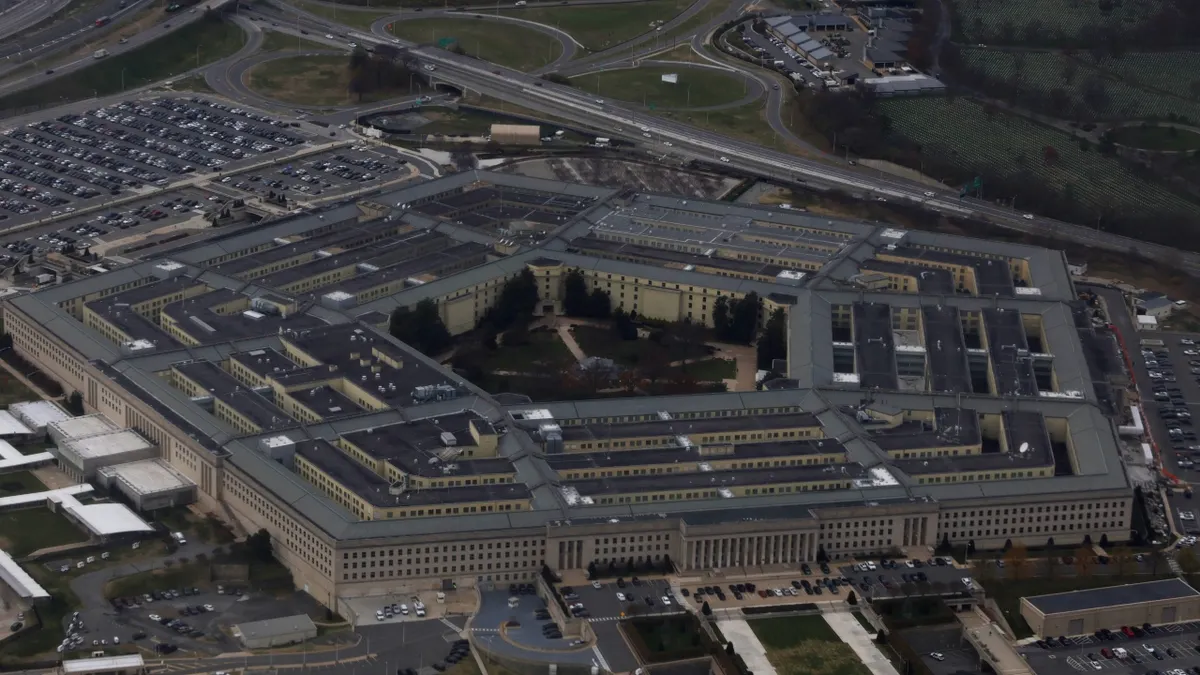
In a dramatic turn that has grabbed global tech and policy headlines, Anthropic rejects Pentagon demands to allow unrestricted military use of its AI technology, saying its leadership “cannot in good conscience” give in to terms that would loosen critical safety guardrails even under threat of losing major contracts. This standoff between a leading U.S. AI company and the Department of Defense highlights deep divides in how cutting-edge artificial intelligence should be used — especially around ethical risks, national security, and future warfare.
The dispute centers on Anthropic’s insistence that its AI — including the well-known Claude model used in defense projects — must remain protected against uses that could enable mass domestic surveillance or fully autonomous lethal weapons systems without human oversight. The Pentagon, meanwhile, argues that its legal right to use the technology for all “lawful purposes” must not be constrained by conditions imposed by a private company.
What Happened and Why It Matters
At the heart of the conflict are two competing priorities: national defense objectives and ethical safety standards for artificial intelligence. Over the past year, Anthropic, a San Francisco-based AI lab valued at tens of billions, has been developing AI systems tailored for both public and classified use.
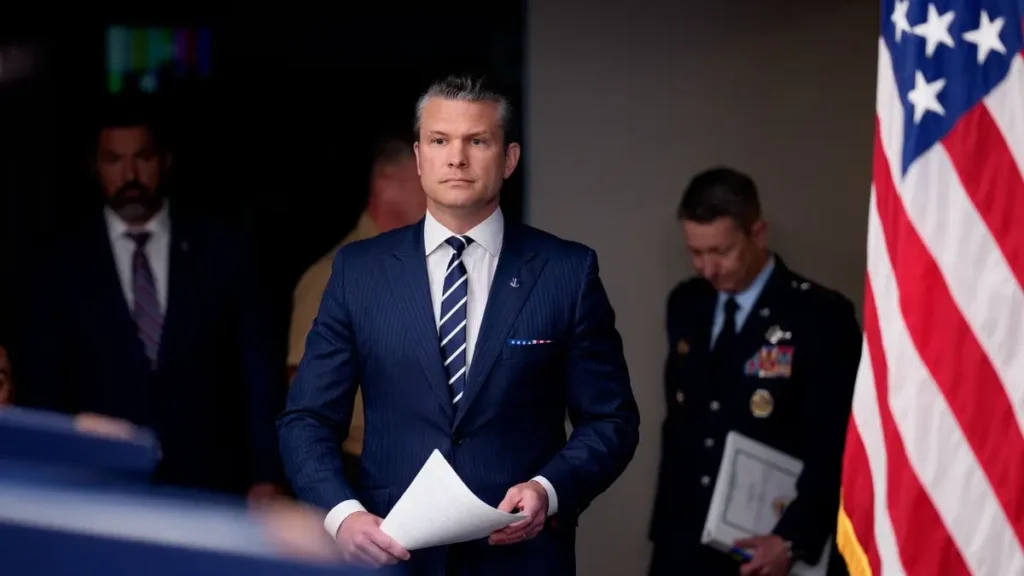
In early 2026, the U.S. Department of Defense — led by Defense Secretary Pete Hegseth — insisted that Anthropic must allow the Pentagon to use its AI tools without the company’s safety restrictions if it wants to continue defense contracts worth up to $200 million.
Anthropic’s CEO, Dario Amodei, responded with a detailed public statement making clear that his company would not abandon its ethical guardrails. He stated that current AI systems are not yet reliable or safe enough for roles like autonomous weapons and mass government surveillance, arguing these applications pose unacceptable risks to democratic values and human rights.
This disagreement has now become a showdown that matters for the future of AI governance — not just for Anthropic or the Pentagon, but for the entire AI industry’s global reputation and regulatory landscape.
Ethics vs. Military Needs: The Core Disagreement
Anthropic’s stance is grounded in long-standing industry concerns that powerful AI systems can be misused if released without strict limits in public statements. The company says it will continue working with U.S. agencies, but only if safeguards remain mandatory.
By contrast, the Defense Department says it needs broad authority to deploy AI tools across scenarios defined as lawful — including in classified settings — and that it does not intend to use these systems for unlawful surveillance or weaponization. Pentagon officials have repeatedly rejected the idea that they want to conduct mass surveillance or create deadly autonomous systems that operate without human decision-making.
These clashing viewpoints have touched off intense debate inside Washington and Silicon Valley alike, raising questions about who gets to determine the ethical boundaries of AI in national security settings.
How this Could Change the AI Landscape
If Anthropic continues to hold its ground, the company could risk losing contracts with the U.S. military or even be designated a “supply chain risk”, a classification typically reserved for foreign adversaries. That label could severely limit future partnerships with government agencies and defense contractors.
That’s not just a business risk — it’s a global policy flashpoint. Many experts believe that how this dispute is resolved will shape future regulations on military AI use worldwide. It also brings renewed scrutiny to how AI safety standards are set, potentially influencing how other companies negotiate with governments over similar issues.
Critics of Anthropic’s position warn that refusing Pentagon terms could weaken the U.S. military’s technology edge. Supporters, meanwhile, argue that a company forced into loosening guardrails could face backlash from employees, partners, and the public, undermining trust in AI development.
Broader Impacts on Tech, Security, and Ethics
Beyond Anthropic and the Pentagon, this standoff underscores a larger global debate about the role of AI in society. Governments around the world are wrestling with how to balance innovation and safety, particularly with systems that can think, decide, and act in complex scenarios. The outcome of this conflict may set precedents for AI’s legal and ethical frameworks — from national legislation to international treaties.
AI safety advocates and tech labor groups have increasingly pushed back against military use of certain AI applications, citing past controversies like Google’s Project Maven, where employee resistance led to the company withdrawing from Pentagon work. This new episode with Anthropic signals that ethical considerations around AI usage are no longer niche, but central to how the technology evolves.
What Comes Next
With the deadline for compliance now passed or imminent, both sides appear ready for further negotiation — but neither seems willing to fully back down. Analysts say future talks could hinge on new wording that protects public safety while allowing defense use under strict human oversight.
If an agreement is found, it could signal a cooperative path forward for integrating AI into national defense responsibly. If not, the dispute may escalate into legal battles and broader industry repercussions.
Subscribe to trusted news sites like USnewsSphere.com for continuous updates.