
Judge Orders Release of 5-Year-Old Liam Ramos From ICE Detention, Igniting National Outrage
A federal judge in Texas has ruled that 5-year-old Liam Conejo Ramos and his father must be released from Immigration and Customs Enforcement (ICE) custody by early next week, responding to widespread public backlash over the controversial detention of the young Minnesota boy and his asylum-seeking parent. The case has drawn intense scrutiny across the country after images of Liam in ICE custody wearing a blue hat and a Spider-Man backpack circulated online, galvanizing protests and powerful criticism from lawmakers, child advocacy groups, and community members alike.
What Happened and Why This Matters Now
Liam and his father, Adrian Conejo Arias, were apprehended Jan. 20 outside their Columbia Heights, Minnesota home during a federal immigration operation. Although both had an active asylum claim in the U.S., ICE agents detained them — transporting them to a family detention center in Dilley, Texas — sparking outrage that reverberated nationwide. A federal judge has now ordered their release “as soon as practicable” but no later than Feb. 3, citing legal and humanitarian concerns surrounding the detention of children.
Controversial Detention Sparks Outcry
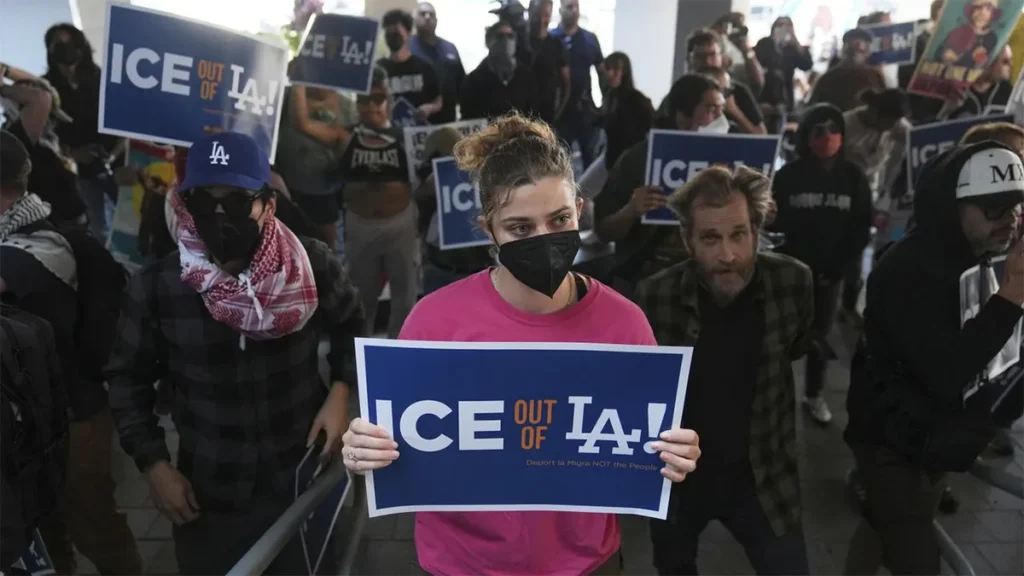
Images of Liam being taken into custody after preschool — a scene that quickly spread across social media and national news — became a flashpoint in the debate over federal immigration enforcement tactics. Critics contend that the child was used as leverage to apprehend his father, although DHS officials dispute that characterization. School officials described the event as traumatic for the community, and protests erupted at the detention center in Texas.
The father and son’s detention intensified public alarm when reports surfaced that Liam was becoming physically and emotionally distressed while held at the South Texas Family Residential Center, with symptoms including stomach pain, vomiting, and depression due to the poor conditions. Advocacy groups and members of Congress have publicly condemned the treatment and called for swift reunification.
Judge’s Ruling and Legal Implications
U.S. District Judge Fred Biery delivered the ruling ordering their release and sharply criticized the broader immigration enforcement strategy that led to their detention. The judge emphasized the need for greater judicial oversight and expressed concern over the use of non-judicial administrative warrants — tools federal agents often use to detain individuals without prior judicial authorization.
The ruling also blocked any immediate deportation or transfer of the pair while their asylum claims remain pending, underscoring constitutional protections and due process. This decision highlights ongoing legal tensions in federal immigration policy, particularly concerning how families and children are treated under current enforcement measures.
Community and Political Response
Nationally, the case has ignited a broader conversation about immigration policy, child welfare, and the role of federal enforcement in local communities. Democratic elected officials, including Congressman Joaquín Castro, visited the detention center to advocate for the family’s release, further amplifying media attention and grassroots concerns.

Locally, school leaders have reported emotional and educational disruptions as families grapple with fear and uncertainty. Students and teachers at Liam’s elementary school have expressed deep concern, and school principals have noted the broader impact the detention has had on student attendance and morale.
Why This Story Still Matters
This case has become symbolic of broader conflict over federal immigration actions in cities far from the U.S.-Mexico border. As Operation Metro Surge — a strategy aimed at increasing ICE enforcement in metropolitan regions — continues, public debate over how to balance immigration laws with human rights concerns remains fierce. The release order comes at a moment when questions about executive power, child protection, and legal oversight are at the forefront of national policy discussions.
The judge’s decision also sets an important precedent on how immigration cases involving minors should be treated by the legal system, particularly when parents and children are legally seeking asylum. Observers note that this case could influence future policy and litigation, elevating calls for more humane and constitutionally sound immigration enforcement.
Looking Ahead
As the release deadline nears, advocacy groups, legal experts, and families affected by similar detentions are watching closely. The story continues to evolve as the families’ legal cases proceed through immigration court, and as policymakers debate possible reforms to how immigration authorities detain and process asylum seekers — especially children.
Subscribe to trusted news sites like USnewsSphere.com for continuous updates.