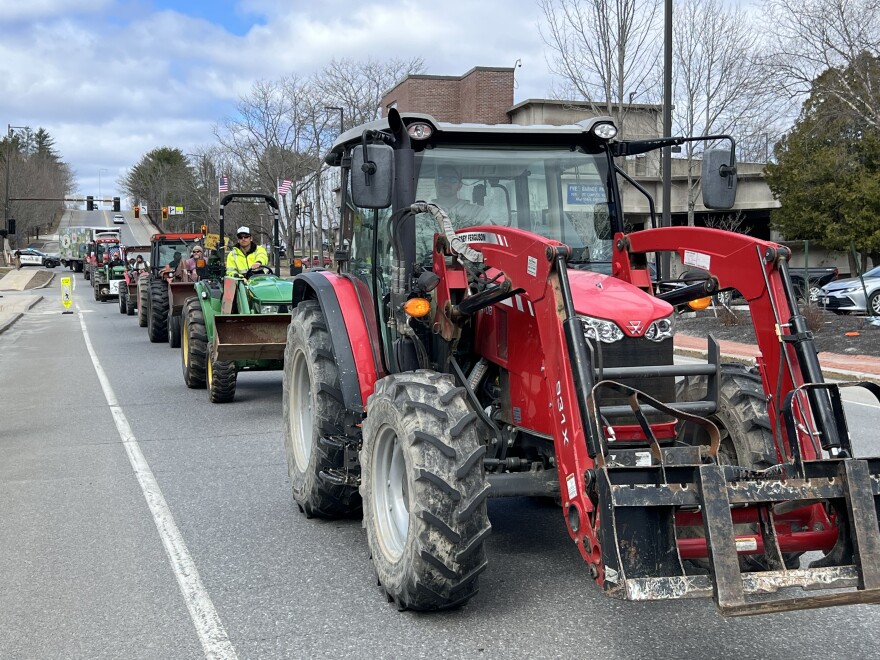
Farmers protest at the Maine State House as rising costs and global tensions shake U.S. agriculture, highlighting growing pressure on American farmers, a local success story in Presque Isle, and concerns about global conflicts impacting food production. Across Maine, farmers are raising urgent concerns about economic survival, while one farmer’s recognition as “Farmer of the Year” shows resilience in the industry. At the same time, global geopolitical tensions—including war-related cost spikes—are creating ripple effects across the agriculture sector.
This situation matters now because food prices, supply chains, and farm profitability are all directly tied to these developments, impacting millions of American households and businesses.
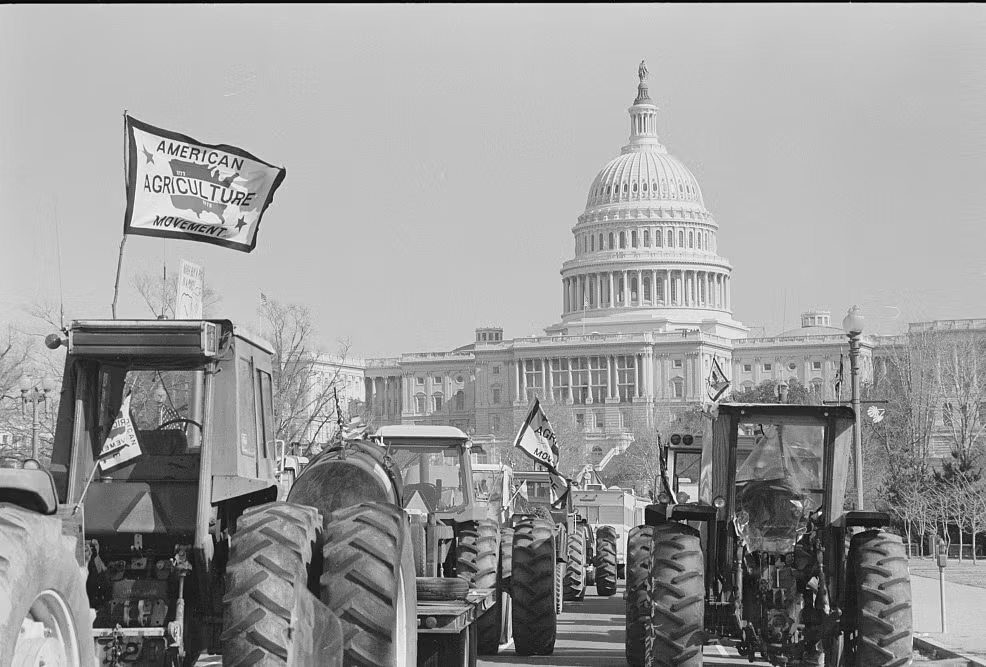
Farmers Rally at State House Over Economic Pressure
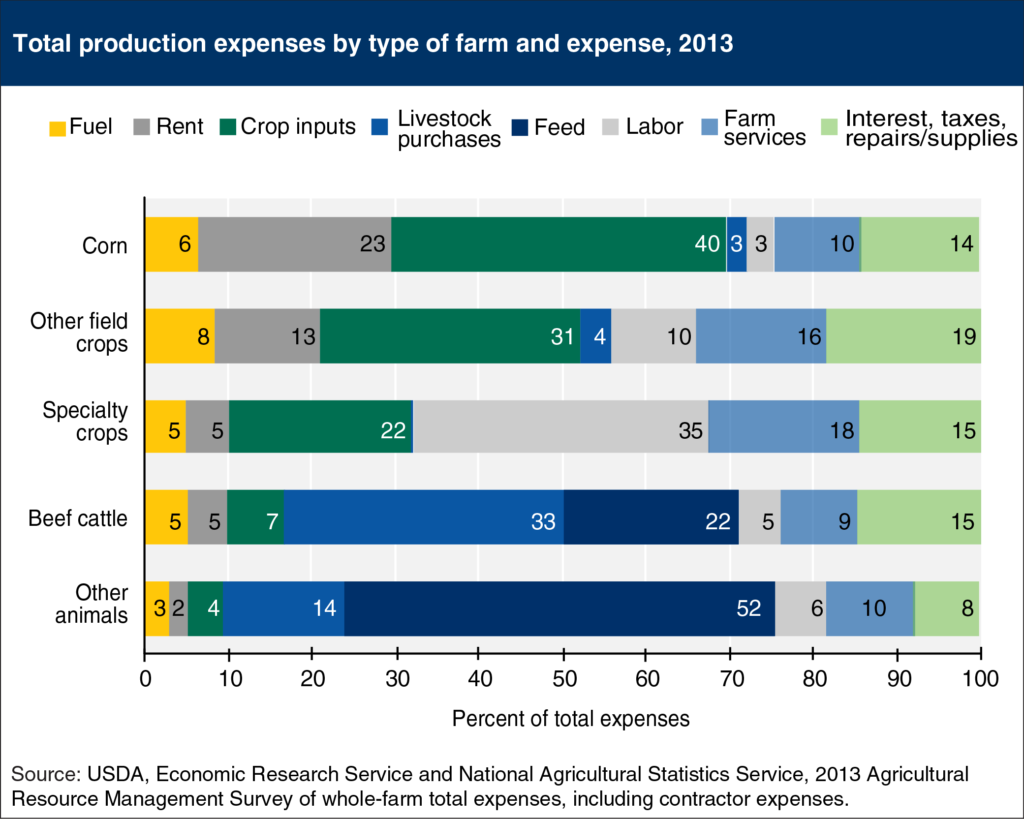
Farmers in Maine gathered at the State House to demand immediate support as operating costs continue to rise. These farmers are facing increasing expenses for fuel, fertilizers, equipment, and labor—costs that have surged over the past two years.
Many of the protesters emphasized that small and mid-sized farms are especially vulnerable. Unlike large agricultural corporations, they often lack the financial cushion to absorb sudden price increases. Several farmers warned that without government support or policy changes, more farms could shut down, reducing local food production and increasing reliance on imports.
Why Rising Costs Are Hurting Farmers More Than Ever
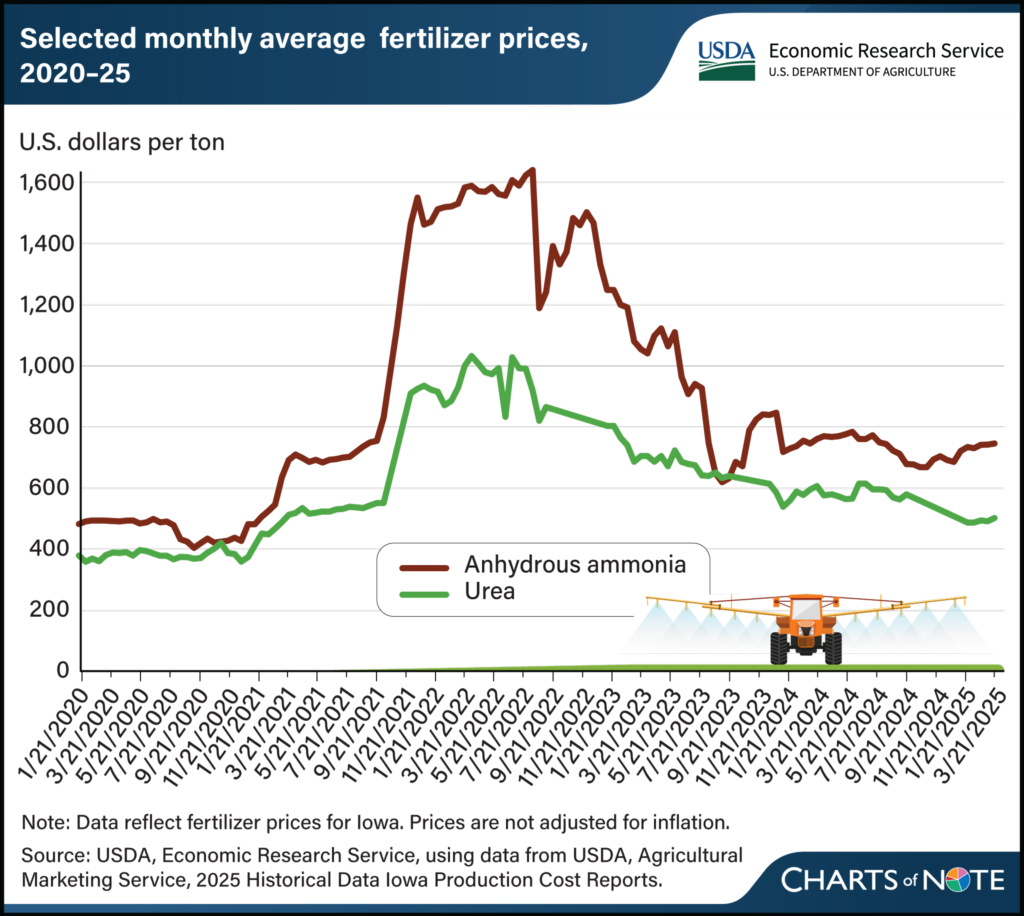
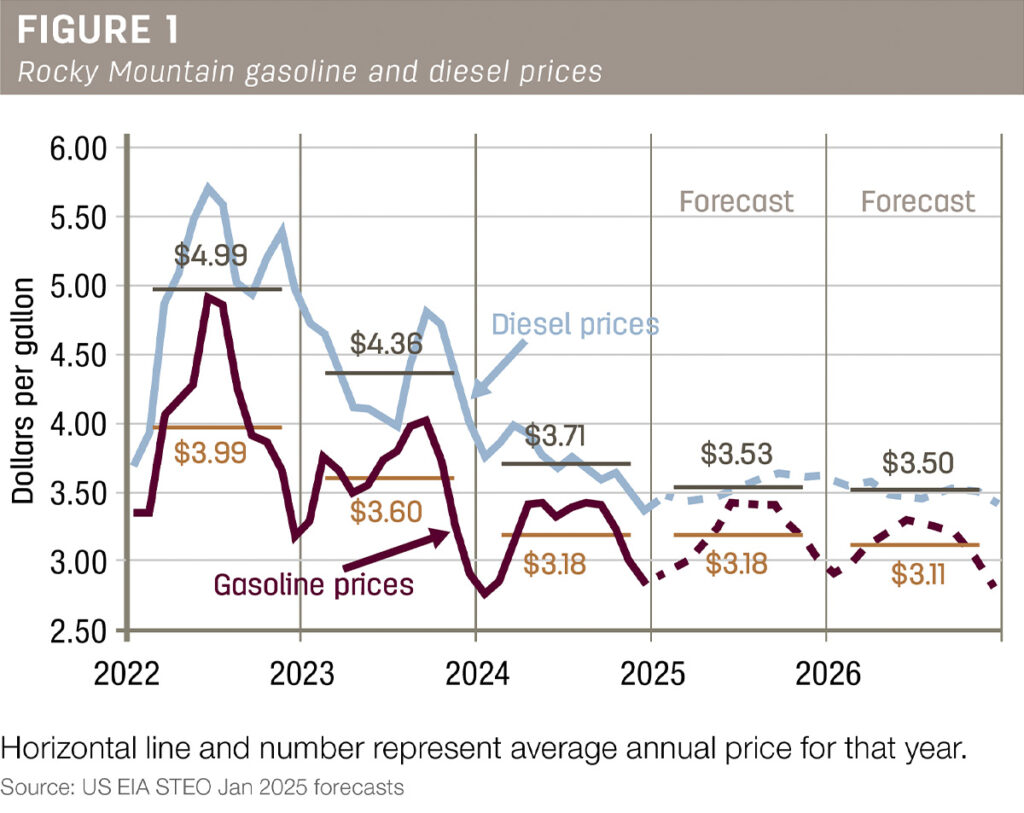
The current economic pressure on farmers is not coming from just one source. Instead, it is a combination of inflation, supply chain disruptions, and global instability. Fuel prices, which directly affect farm machinery and transportation, have been especially volatile.
Additionally, fertilizer prices have seen dramatic increases due to supply shortages and international trade disruptions. According to agricultural analysts, input costs for some farms have increased by over 30% in recent years. This sharp rise is forcing farmers to either raise food prices or operate at reduced margins, both of which have long-term consequences for the economy.
A Success Story: Maine Farmer Earns Top Recognition
Amid the challenges, one bright spot has emerged from Presque Isle, where a local farmer was named “Maine Farmer of the Year.” This recognition highlights innovation, sustainability, and dedication to modern farming practices.
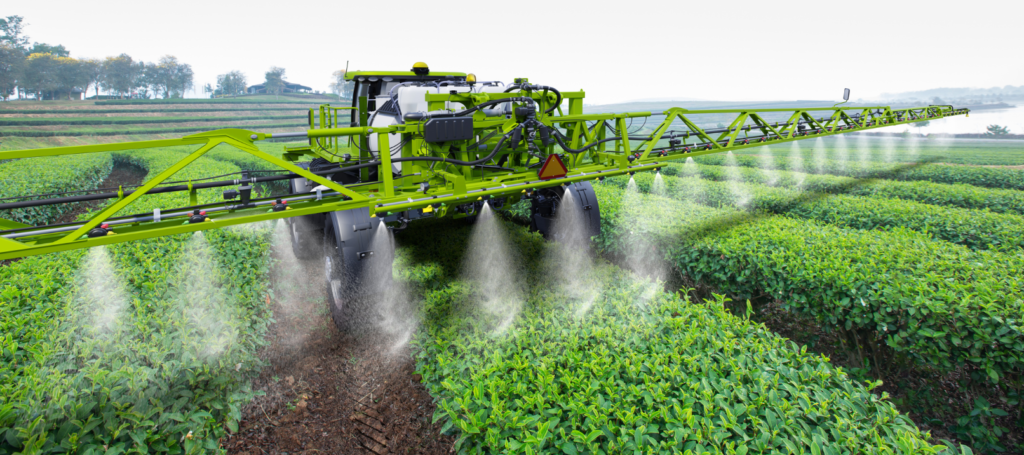
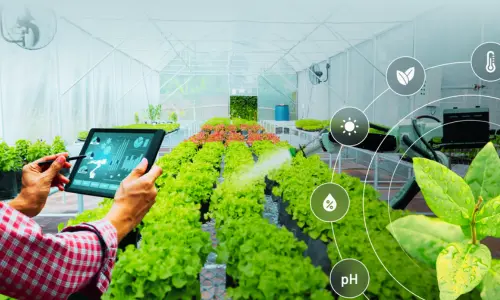
The award-winning farmer has focused on improving crop yields while maintaining environmental balance. By adopting advanced techniques such as precision agriculture and efficient irrigation systems, this farmer has managed to stay competitive despite rising costs.
This story shows that while the industry faces serious challenges, innovation and adaptability can still lead to success. However, experts caution that not all farmers have the resources or support to implement such changes.
Global Conflicts Are Driving Agricultural Uncertainty
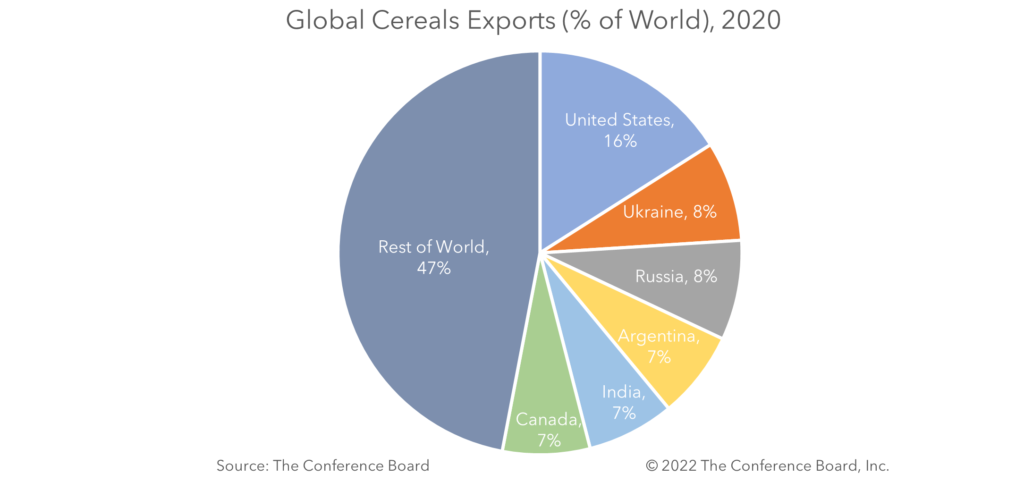
Beyond local issues, global tensions are playing a major role in shaping the future of farming. Conflicts in key regions are disrupting supply chains, especially for energy and fertilizers, which are essential for agricultural production.
For example, international conflicts have led to fluctuations in oil prices, directly affecting transportation and farming operations. Additionally, global trade disruptions have limited access to critical farming inputs, further increasing costs for U.S. farmers.
These global factors are making it harder for farmers to plan ahead, creating uncertainty that affects planting decisions, production levels, and pricing strategies.
The Impact on Food Prices and U.S. Consumers
The challenges faced by farmers are not isolated—they directly impact consumers across the United States. As production costs rise, food prices are likely to increase, affecting household budgets nationwide.
Higher costs for staples like grains, dairy, and vegetables could lead to broader inflation in the food sector. This is especially concerning for lower-income families, who spend a larger portion of their income on food.
Economists warn that if these trends continue, the U.S. could see a prolonged period of elevated food prices. This makes the current situation not just an agricultural issue, but a broader economic concern.
Why This Matters Now for the Future of Farming
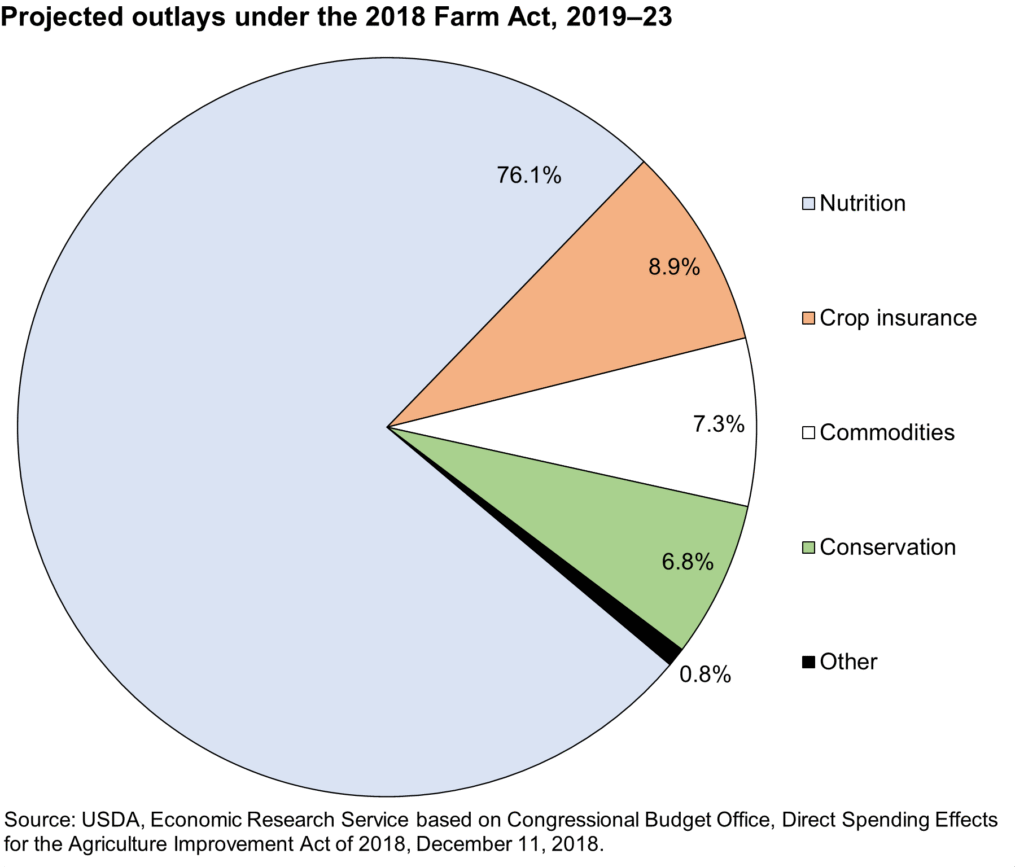
The current crisis highlights a critical moment for U.S. agriculture. Farmers are calling for policy changes, financial support, and long-term solutions to stabilize the industry.
If these challenges are not addressed, the U.S. risks losing smaller farms, reducing domestic food production, and increasing dependence on imports. On the other hand, investing in innovation, sustainability, and farmer support programs could strengthen the industry and ensure long-term stability.
This is a turning point where decisions made today will shape the future of farming in America for years to come.
What Happens Next in the Agriculture Sector
Looking ahead, policymakers, farmers, and industry leaders will need to work together to address these challenges. Potential solutions include subsidies, cost-control measures, and investments in agricultural technology.
Farmers are also exploring new strategies to stay competitive, including diversification, direct-to-consumer sales, and sustainable practices. However, without broader systemic support, these efforts may not be enough to offset rising costs.
The coming months will be crucial in determining whether the agriculture sector can adapt and thrive or continue to face mounting pressure.
Subscribe to trusted news sites like USnewsSphere.com for continuous updates.