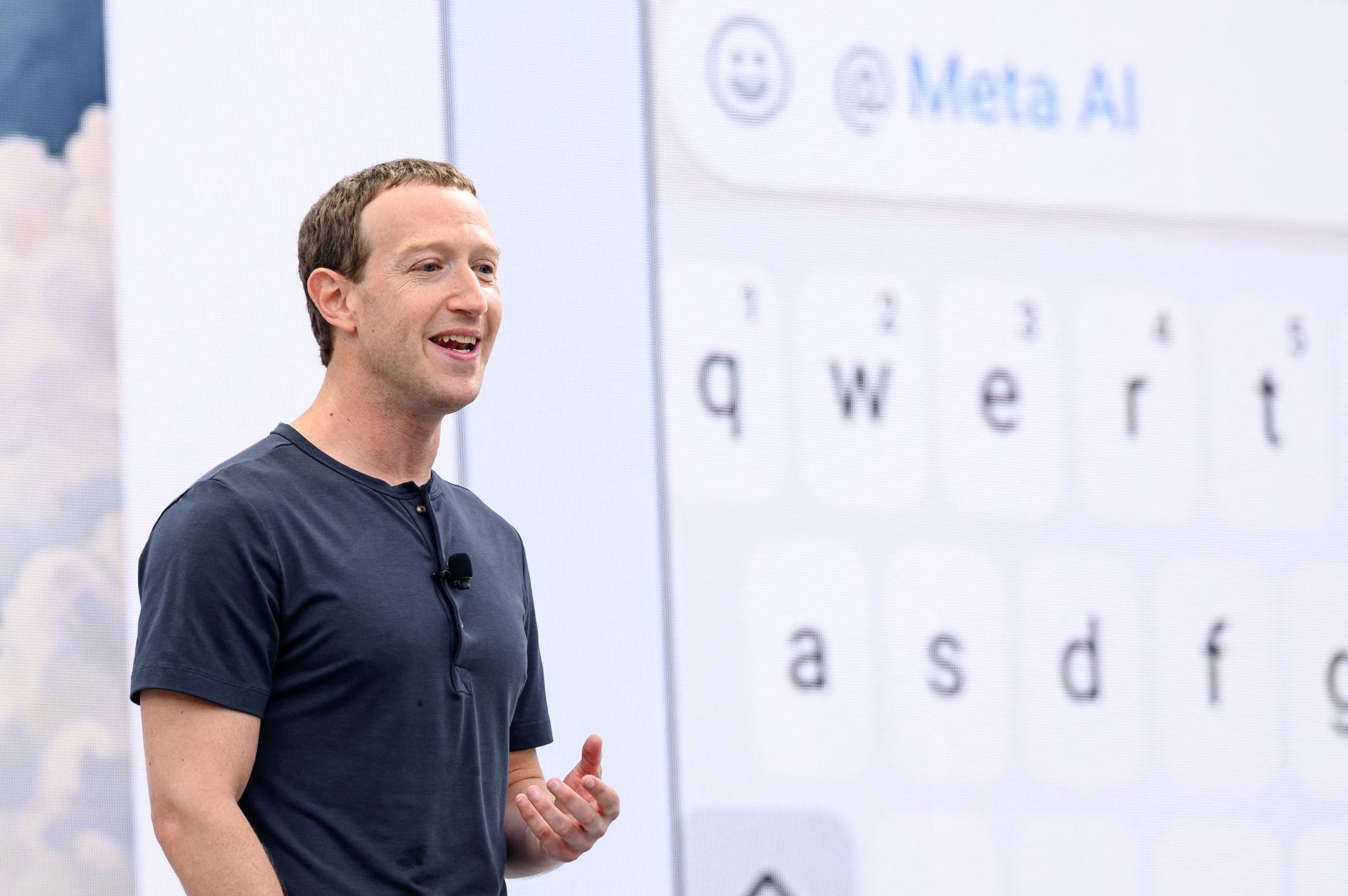
The phrase “Zuckerberg admits Meta made AI mistakes” is rapidly becoming one of the most discussed topics in the technology industry as Meta faces growing scrutiny over its aggressive artificial intelligence transformation. In a rare public acknowledgment, Meta CEO Mark Zuckerberg admitted that the company made mistakes during its massive AI-focused restructuring effort, a shift that affected thousands of employees and reshaped how the company operates.
The admission comes at a crucial moment for the global technology sector. Artificial intelligence is no longer an experimental technology reserved for research labs. It has become the central battleground where companies such as Meta, OpenAI, Google, Microsoft, and Amazon are competing for leadership. As billions of dollars flow into AI infrastructure, talent acquisition, and next-generation computing systems, even the world’s largest technology companies are discovering that rapid transformation carries significant risks.
For investors, employees, and consumers, Zuckerberg’s comments provide a rare glimpse into the challenges facing one of the world’s largest technology companies as it races toward an AI-driven future.
Meta’s Massive AI Transformation Faced Unexpected Challenges
Meta has spent the last several years repositioning itself around artificial intelligence. The company dramatically increased spending on AI infrastructure, data centers, advanced computing systems, and specialized AI talent. Recent reports suggest Meta’s projected capital expenditures could reach between $125 billion and $145 billion, highlighting the scale of its commitment to AI development.
However, executing such a large transformation proved more complicated than expected. Thousands of employees experienced role changes, while significant workforce reductions affected multiple departments. Some workers were reassigned into AI-focused teams, while others were impacted by layoffs aimed at improving operational efficiency and redirecting resources toward AI initiatives.
Zuckerberg acknowledged that the complexity and speed of these changes led to mistakes. While he emphasized that innovation often requires difficult decisions, he also recognized that organizational disruptions created challenges for employees and managers across the company.
Employee Concerns Reveal the Human Side of the AI Revolution
One of the most important lessons from Meta’s experience is that technological transformation is not only about software, algorithms, and computing power. It is also about people.
Reports from inside the company suggest that many employees struggled with uncertainty during the transition. Workers expressed concerns about communication, career development opportunities, and the rapid pace of organizational changes. Some teams reported confusion about long-term goals and responsibilities following restructuring efforts.
Meta executives have since acknowledged that communication surrounding the transition could have been handled more effectively. Company leadership has promised to improve management structures, strengthen employee support systems, and create greater stability moving forward.
The situation reflects a broader challenge facing corporations worldwide. As AI becomes increasingly integrated into business operations, leaders must balance technological innovation with workforce stability and employee engagement.
Why Big Tech Is Betting Everything on Artificial Intelligence
Meta’s AI transformation is part of a much larger trend reshaping the global technology industry.
Over the past two years, AI has become the primary growth strategy for many of the world’s largest technology companies. From generative AI assistants and intelligent search systems to automated coding tools and enterprise productivity platforms, artificial intelligence is influencing nearly every segment of the digital economy.
The competitive pressure is intense. Companies are investing enormous amounts of capital because they believe AI could become as transformative as the internet itself. Missing the opportunity could leave companies vulnerable to competitors that successfully build the next generation of AI-powered products and services.
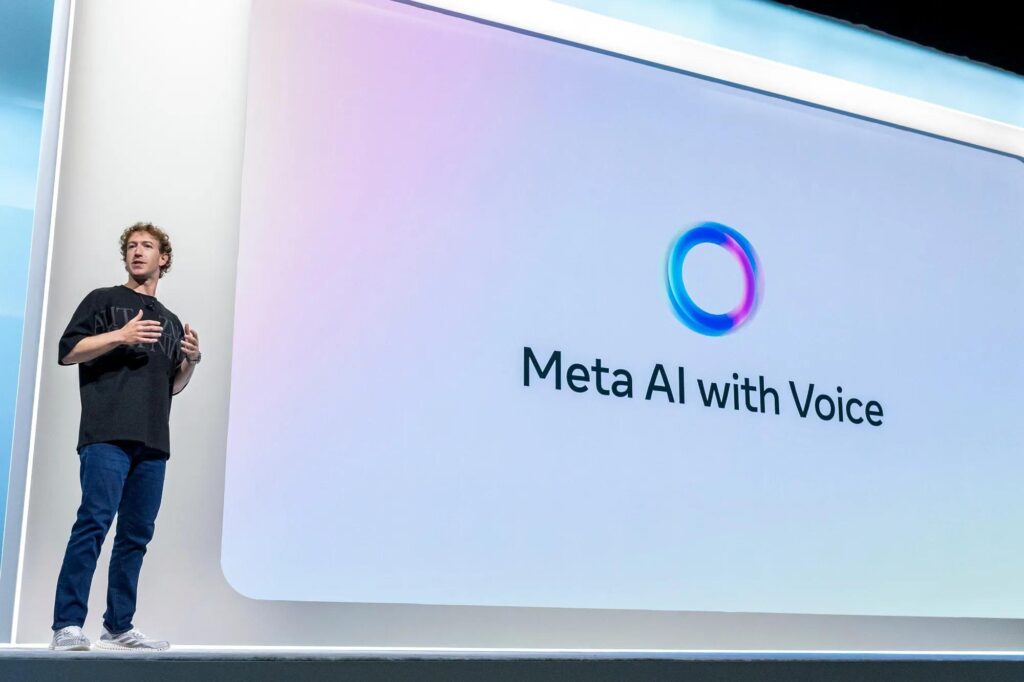
Meta’s leadership has repeatedly emphasized that AI will play a central role in the company’s future. This includes improvements across social media platforms, advertising technologies, creator tools, virtual assistants, and future digital experiences.
Yet Zuckerberg’s admission highlights an important reality: even the largest companies cannot guarantee a smooth path toward AI leadership.
The Financial Stakes Are Higher Than Ever
The financial implications of Meta’s AI strategy are enormous.
Building advanced AI systems requires significant investments in computing infrastructure, data processing capabilities, specialized chips, and world-class engineering talent. These costs continue to rise as companies compete to develop more powerful models.
Recent reports indicate that Meta is exploring additional funding options while continuing to invest heavily in AI initiatives. At the same time, the company has reduced workforce expenses and streamlined operations to help support these investments.
For investors, the key question is whether these investments will generate long-term returns. Historically, major technological transitions often involve periods of uncertainty before delivering significant value. The internet, cloud computing, and mobile technology all followed similar patterns.
Meta’s AI strategy may ultimately create substantial new revenue opportunities, but investors are closely watching execution risks, spending levels, and organizational effectiveness.
What This Means for You
Whether you’re an employee, entrepreneur, student, or technology enthusiast, Meta’s experience offers several valuable lessons.
First, AI adoption is accelerating across nearly every industry. Businesses that successfully integrate AI tools may gain competitive advantages in productivity, customer service, and innovation.
Second, workforce transformation is becoming a reality. Employees increasingly need to develop skills that complement AI systems rather than compete directly with them.
Third, transparency matters. Zuckerberg’s acknowledgment of mistakes demonstrates that even major corporations must adapt and learn during periods of rapid technological change.
Consumers should also expect AI-powered products to become increasingly common across social media, communication platforms, business software, and digital services over the coming years.
Investor Takeaway
From an investment perspective, Meta’s admission should not necessarily be viewed as a sign of weakness. Instead, it highlights the complexity of executing one of the largest corporate AI transformations in the world.
Investors should monitor several factors:
- AI infrastructure spending trends
- Revenue growth from AI-powered products
- Workforce productivity improvements
- Competitive positioning against other AI leaders
- Long-term profitability of AI investments
While short-term volatility may continue, Meta remains one of the most influential players in the global AI race. The company’s willingness to acknowledge mistakes and adjust strategy could strengthen execution over the long run.
Future Outlook
The future of Big Tech will increasingly be defined by artificial intelligence.
Meta’s recent challenges may ultimately serve as a case study for other organizations attempting large-scale AI transformations. The company is expected to continue investing aggressively in AI research, infrastructure, and product development while refining its organizational structure to improve execution.
Across the technology sector, executives are learning that success in AI requires more than capital and computing power. It requires strong leadership, clear communication, workforce alignment, and the ability to adapt quickly when plans do not unfold as expected.
As AI continues to reshape industries worldwide, Meta’s experience demonstrates both the opportunities and the risks associated with one of the most important technological shifts of the modern era.
Conclusion
Mark Zuckerberg’s admission that Meta made mistakes during its AI transformation represents a significant moment in the evolution of the technology industry. The acknowledgment reflects the challenges of balancing innovation, workforce management, and massiv e investment decisions during a period of unprecedented technological change.
While Meta remains committed to becoming a global leader in artificial intelligence, the company’s recent experience serves as a reminder that even industry giants must learn, adapt, and refine their strategies along the way.
The AI revolution is still in its early stages, and the lessons emerging from Meta’s transformation will likely influence how companies across the world approach artificial intelligence for years to come.
Subscribe to trusted news sites like USnewsSphere.com for continuous updates.