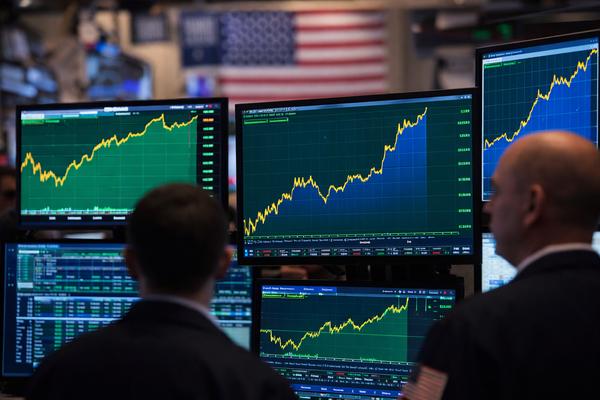
S&P 500 Nears New Highs While Global Risks Rise: Is the Rally Built to Last? That question is becoming increasingly important for investors as U.S. stocks continue climbing despite geopolitical uncertainty, inflation concerns, elevated valuations, and slowing growth in several major economies. After a volatile start to the year, the benchmark index has regained momentum and is once again trading near historic highs, supported by strong corporate earnings, artificial intelligence optimism, resilient consumer spending, and improving investor sentiment.
The rally has surprised many analysts who expected ongoing global risks to limit gains. Instead, investors have largely focused on economic resilience and long-term growth opportunities. Recent easing in oil prices, improving confidence surrounding Middle East diplomacy, and expectations that inflation may continue moderating have further strengthened market sentiment.
However, history shows that powerful market rallies often face important tests. Valuation levels, corporate earnings growth, Federal Reserve policy decisions, geopolitical developments, and economic conditions will all help determine whether the current advance can continue through the remainder of 2026.
For investors, understanding both the opportunities and risks behind today’s market environment is essential.
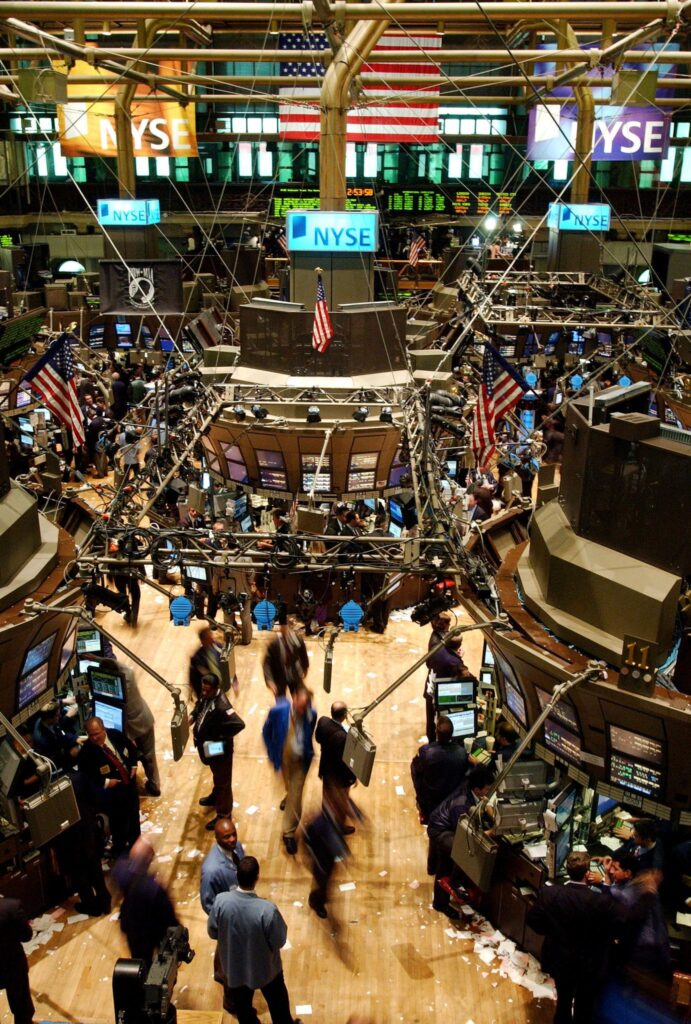
Why the S&P 500 Continues Climbing Despite Uncertainty
One of the most remarkable aspects of the current rally is its ability to withstand multiple sources of uncertainty.
During the past year, investors have navigated concerns surrounding inflation, interest rates, geopolitical tensions, energy market disruptions, government debt levels, and slowing growth across parts of Europe and Asia. Under normal circumstances, such challenges could have weighed heavily on stock market performance.
Instead, investors have focused on positive developments. Corporate earnings have remained stronger than expected in several sectors. Consumer spending has proven resilient despite higher borrowing costs. Labor markets continue supporting economic activity. Perhaps most importantly, enthusiasm surrounding artificial intelligence and technology innovation has generated substantial investment flows into growth-oriented companies.
The combination of these factors has helped push the S&P 500 close to record territory, reinforcing confidence among both institutional and retail investors.

Artificial Intelligence Remains a Powerful Market Driver
Artificial intelligence continues to be one of the biggest themes supporting equity markets in 2026.
Major technology companies have invested billions of dollars into AI infrastructure, cloud computing, semiconductor development, and advanced data centers. Investors increasingly view AI as a transformational technology capable of reshaping productivity, profitability, and economic growth across multiple industries.
Several of the largest companies within the S&P 500 have reported significant demand for AI-related products and services. Semiconductor manufacturers, cloud providers, software developers, and digital infrastructure companies have all benefited from growing corporate investment in AI technologies.
Because technology companies represent a significant portion of the index, strong performance from this sector has played a major role in driving overall market gains. Investors remain optimistic that AI adoption could continue generating earnings growth for years to come.
At the same time, analysts caution that expectations have become increasingly ambitious. Future earnings results will need to justify current valuations if the rally is to remain sustainable.
Falling Oil Prices Are Supporting Investor Confidence
Another important factor helping the market rally has been the recent decline in oil prices.
Earlier in the year, concerns about disruptions in Middle Eastern energy supplies pushed oil prices sharply higher. Investors feared that rising energy costs would fuel inflation and create additional challenges for businesses and consumers.
Recent developments have altered that outlook. Improved expectations surrounding diplomatic discussions and energy supply conditions have helped crude oil prices retreat significantly from recent highs. Lower oil prices reduce transportation expenses, manufacturing costs, and inflationary pressure throughout the economy.
For investors, cheaper energy often creates a favorable environment for equities. Companies benefit from lower operating costs while consumers may gain additional spending power. These dynamics can support both economic growth and corporate profitability.
As a result, the decline in oil prices has become another factor contributing to the positive tone across financial markets.
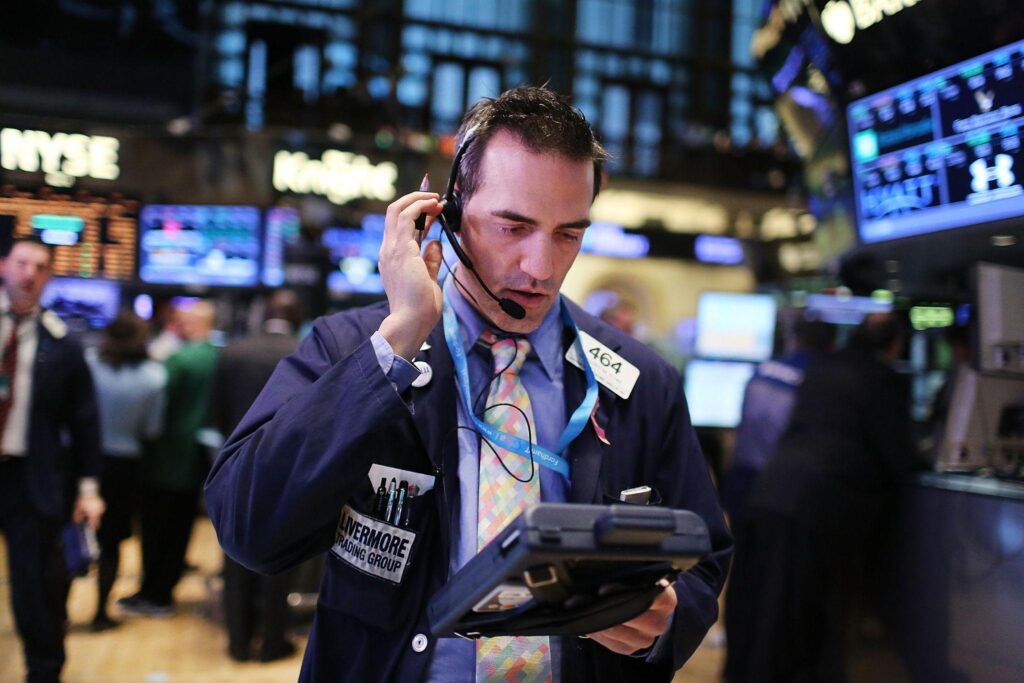
Valuation Concerns Are Becoming Harder to Ignore
While investor optimism remains strong, valuation concerns continue attracting attention.
The S&P 500 now trades at valuation levels that exceed many historical averages. Price-to-earnings ratios have expanded significantly as investors anticipate continued earnings growth from technology leaders and other major companies.
High valuations do not automatically signal a market decline. However, they can increase vulnerability to disappointments. If earnings growth slows, inflation accelerates, or economic conditions weaken unexpectedly, investors may become less willing to pay premium prices for stocks.
Several market strategists have noted similarities between current enthusiasm and previous periods when investor expectations became highly optimistic. Although today’s economic environment differs from past market cycles, elevated valuations remain one of the most closely monitored risks.
Investors should remember that strong long-term opportunities can coexist with periods of short-term volatility.

Global Risks Still Have the Potential to Disrupt Markets
Despite improving sentiment, several global risks remain capable of influencing market performance.
Geopolitical developments continue evolving across multiple regions. Trade relationships between major economies remain complex. Government debt levels in several countries have increased significantly. Elections, policy decisions, and international conflicts all possess the potential to affect investor confidence.
Economic growth outside the United States also remains uneven. Some regions continue facing challenges related to productivity, inflation, demographic trends, and industrial activity. Weakness in major global economies could eventually influence multinational corporations and broader market conditions.
In addition, financial markets remain highly sensitive to unexpected events. A sudden shift in inflation data, central bank policy, energy markets, or geopolitical developments could quickly alter investor expectations.
These risks do not necessarily indicate that a correction is imminent, but they highlight why diversification and disciplined investment strategies remain important.

What Investors Should Watch During the Second Half of 2026
Several key indicators will likely determine the future direction of the market.
Corporate earnings remain at the top of the list. Investors will closely monitor whether companies can continue delivering growth that justifies current valuations. Strong earnings reports could support additional gains, while disappointing results may create volatility.
Inflation data will also remain critical. If inflation continues easing, investors may become more confident about future interest-rate stability. On the other hand, renewed inflation pressure could challenge current market assumptions.
Federal Reserve communication will receive significant attention as well. Monetary policy decisions continue influencing borrowing costs, investment activity, and market valuations.
Finally, developments in artificial intelligence, energy markets, consumer spending, and global economic growth will likely shape market performance throughout the remainder of the year.

What This Means for You
For long-term investors, the current market environment demonstrates the importance of maintaining a disciplined perspective.
Strong rallies can create excitement, but successful investing typically depends on consistent strategies rather than short-term market predictions. Investors should focus on diversification, risk management, and long-term objectives rather than reacting to daily headlines.
Those with existing investments may benefit from reviewing portfolio allocations and ensuring they remain aligned with financial goals and risk tolerance.
Investor Takeaway
The S&P 500’s approach toward record highs reflects growing confidence in corporate earnings, artificial intelligence innovation, lower energy prices, and economic resilience.
While these factors support the bullish case, investors should remain aware of elevated valuations and ongoing global risks. Market gains are often strongest when supported by sustainable earnings growth and improving economic fundamentals.
Maintaining a balanced perspective can help investors navigate both opportunities and uncertainties.
Future Outlook
Looking ahead, the outlook for the S&P 500 remains constructive but increasingly dependent on execution.
If companies continue delivering strong earnings, inflation remains controlled, and economic growth stays resilient, the index could establish new record highs during the second half of 2026.
However, valuation pressures, geopolitical developments, inflation surprises, or economic weakness could create periods of volatility along the way.
The most likely scenario may involve continued market advances accompanied by occasional pullbacks as investors evaluate changing economic conditions.
Conclusion
The S&P 500’s rise toward historic highs despite growing global risks highlights the remarkable resilience of financial markets. Investors have embraced optimism surrounding artificial intelligence, earnings growth, improving energy conditions, and a stronger-than-expected economy.
At the same time, elevated valuations and unresolved global challenges remind investors that risks have not disappeared. The sustainability of the rally will depend on whether corporate profits, economic growth, and market expectations remain aligned over the coming months.
For now, the market’s message is clear: investors remain optimistic, but the path forward will likely require balancing opportunity with caution as one of the most closely watched rallies in recent years continues to unfold.
Subscribe to trusted news sites like USnewsSphere.com for continuous updates.