
IBM stock plunged sharply after AI startup Anthropic announced that its Claude Code tool can automate legacy COBOL systems modernization, triggering the biggest single-day drop in more than 25 years and sending shockwaves through tech markets. The share price plunge wiped billions off IBM’s valuation and intensified fears that artificial intelligence could disrupt traditional software and consulting revenue streams across the technology sector. Why this matters now: Investors are recalibrating expectations around AI’s rapid advance and its real-world impact on legacy business models.
The sell-off wasn’t limited to IBM: other major software and cybersecurity stocks also slid, reflecting mounting market anxiety that new AI capabilities could reduce demand for long-standing enterprise services and human-led modernization work.
What Anthropic Announced and Why It Matters
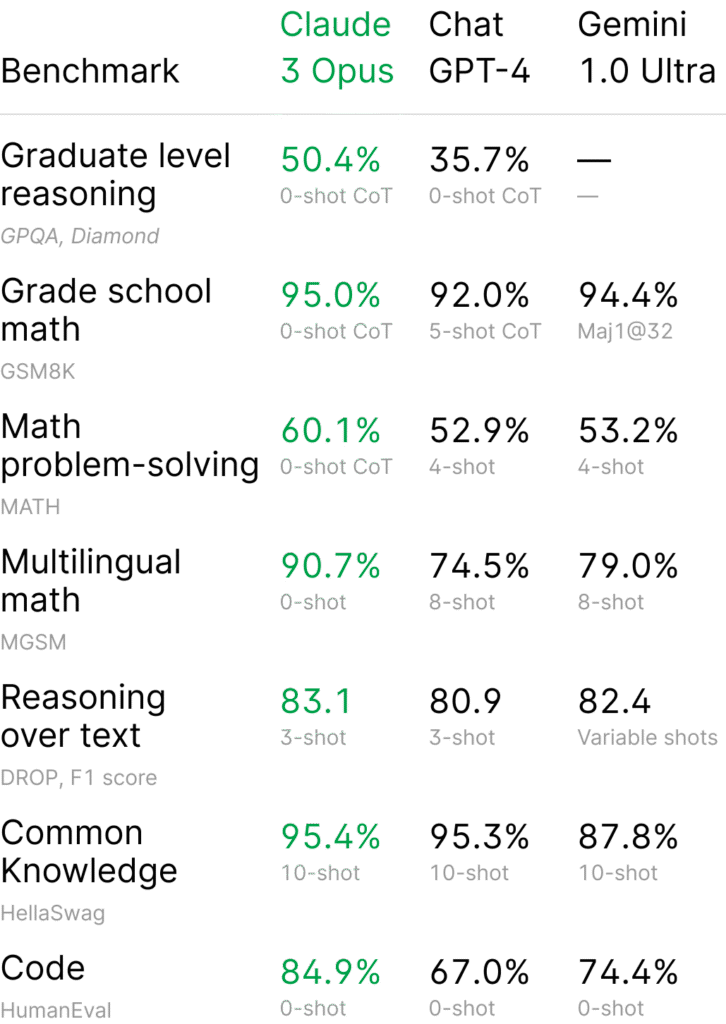
Anthropic’s detailed enhancements to its Claude Code AI system allow it to analyze, map, and modernize COBOL codebases far faster than traditional manual processes. COBOL, a decades-old programming language, remains deeply embedded in mission-critical systems for banks, airlines, government agencies, and other institutions worldwide.
According to Anthropic, the AI can automate key tasks that previously required months of effort from specialized consultants, like identifying dependencies in thousands of lines of legacy code and documenting workflows — potentially cutting modernization timelines from years to months. That shift undercuts a major aspect of IBM’s consulting and legacy systems revenue.
Industry watchers say this is more than hype: with hundreds of billions of lines of COBOL still in production, the shortage of human COBOL expertise already creates modernization bottlenecks — and AI offers a way through.

Why IBM’s Market Reaction Was So Severe
IBM’s shares sank as much as 13–13.5% on the news, marking its worst single-day performance since 2000 and contributing to one of the company’s most difficult months in decades.
The core of the investor concern lies in the potential reduction of demand for IBM’s legacy consulting and system modernization services, which have historically generated consistent revenue. With AI tools capable of performing high-value analysis and automation tasks, markets fear that traditional service models may no longer be as indispensable.
Moreover, the decline in IBM stock came amid an ongoing sell-off in software and cybersecurity shares, as traders increasingly price in the disruptive potential of AI across industries.
Broader Tech Sector Turmoil: A Growing “AI Scare Trade”
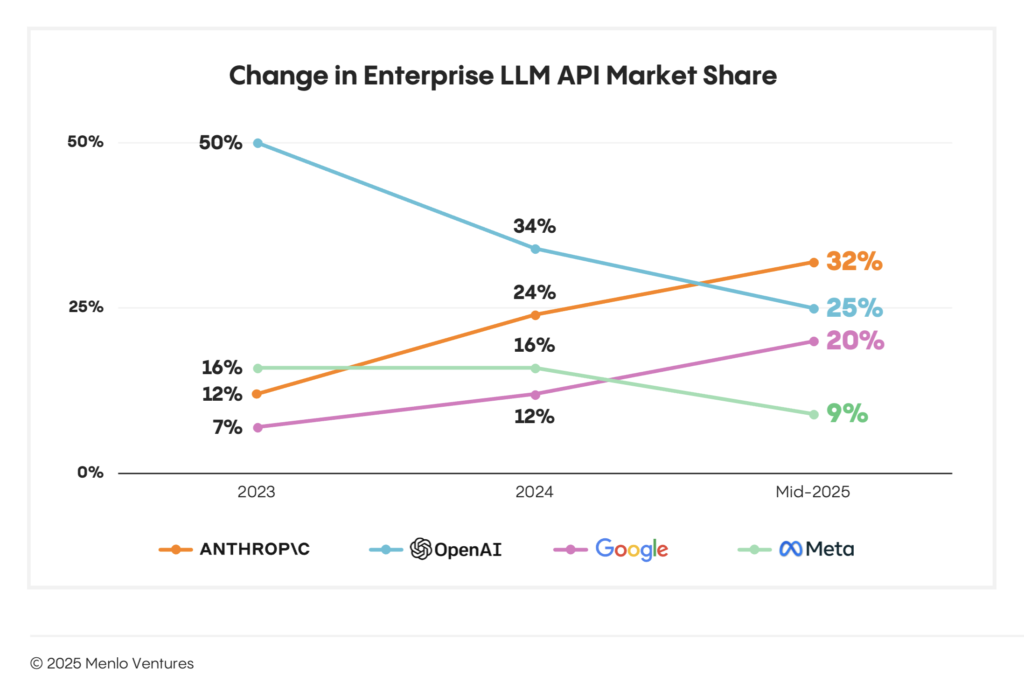
This event is part of a larger pattern some analysts are calling the “AI scare trade,” where fears about AI disruption lead to sharp volatility in tech equities. IBM’s drop joins other recent market moves where AI-related announcements have unsettled investors, leading to declines in software, legal tech, and cybersecurity stocks.
For instance, firms like CrowdStrike, Datadog, and other cybersecurity names have seen downward pressure as traders consider whether AI could automate functions traditionally performed by these platforms.
Even this week’s broader equity market movements, including significant drops in major indices, have been influenced by concerns over AI innovation and geopolitical issues, underscoring the complex interplay of factors driving market sentiment.

What Analysts Are Saying About IBM’s Future
Not all market voices believe the decline signifies long-term damage. Some analysts argue that AI won’t fully replace IBM’s core mainframe business, noting that the company already integrates generative AI into its products and services, such as Watsonx Code Assistant for Z, which helps clients with COBOL modernization.
These analysts emphasize that while AI tools like Claude Code could change the economics of modernization work, the mainframe ecosystem remains essential, particularly for high-volume transactional workloads that IBM servers handle.
Still, the market’s reaction reflects heightened investor sensitivity to AI-driven disruption, particularly in longstanding enterprise revenue streams that have traditionally been considered stable.
What This Means for Investors and the Technology Landscape
For investors, this episode highlights the growing importance of AI innovation and its disruptive potential. Companies deeply tied to legacy technologies may face increased pressure if AI tools continue to substitute high-cost consulting and manual engineering work.
At the same time, firms that can harness AI to augment their offerings or pivot toward new value-added services may find new growth opportunities. Cloud computing vendors and AI-centric platforms, for example, could benefit as businesses accelerate digital transformation.
Across the tech landscape, the rapid evolution of AI underscores a broader shift in how software and IT services are valued — and priced — by enterprises and investors alike.
Subscribe to trusted news sites like USnewsSphere.com for continuous updates.