
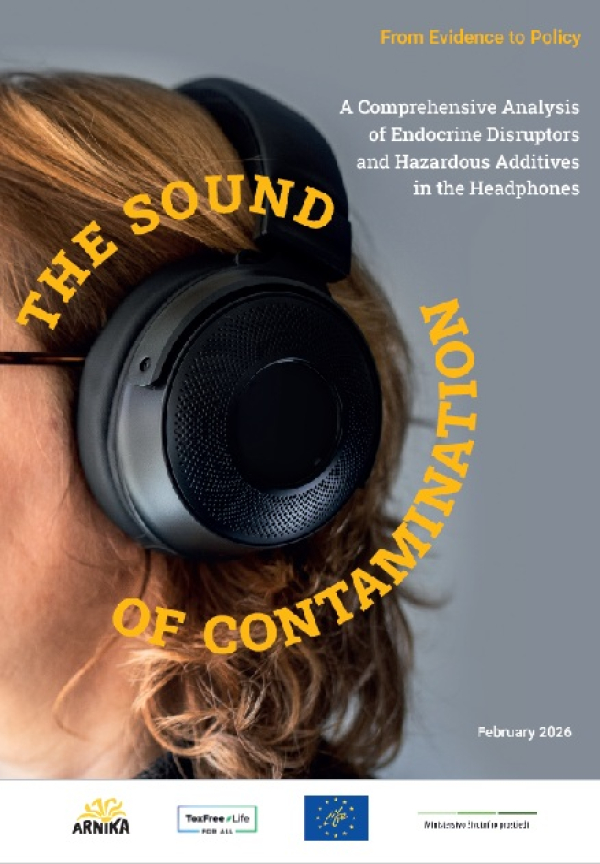
A new investigation into popular headphones has found harmful chemicals present in dozens of major brand models, raising fresh concerns about daily exposure and long-term health risks from products many people wear every day. Researchers testing 81 different pairs of headphones and earbuds—including models from Bose, Samsung, Panasonic, and Sennheiser—detected hazardous substances linked to hormone disruption, cancer, and reproductive harm.
This article explains the full story behind the findings, the potential impacts, scientific context, what consumers should know, and why this issue matters now more than ever.
What the Study Found: Harmful Substances in Everyday Devices
Recent tests conducted by the ToxFree LIFE for All project discovered that every headphone model tested contained traces of harmful chemicals, including substances like bisphenol A (BPA), bisphenol S (BPS), phthalates, and chlorinated paraffins.
These chemicals are commonly used to make plastics more durable or flexible, and to resist sweat and water. But that same durability means they do not break down easily, can accumulate in the body, and may have toxic effects from prolonged exposure.
Experts reported:
- BPA was found in 98% of samples.
- BPS showed up in over 75% of cases.
- Phthalates linked to fertility issues were also detected.
- Chlorinated paraffins, which have been associated with liver and kidney damage, were present too.
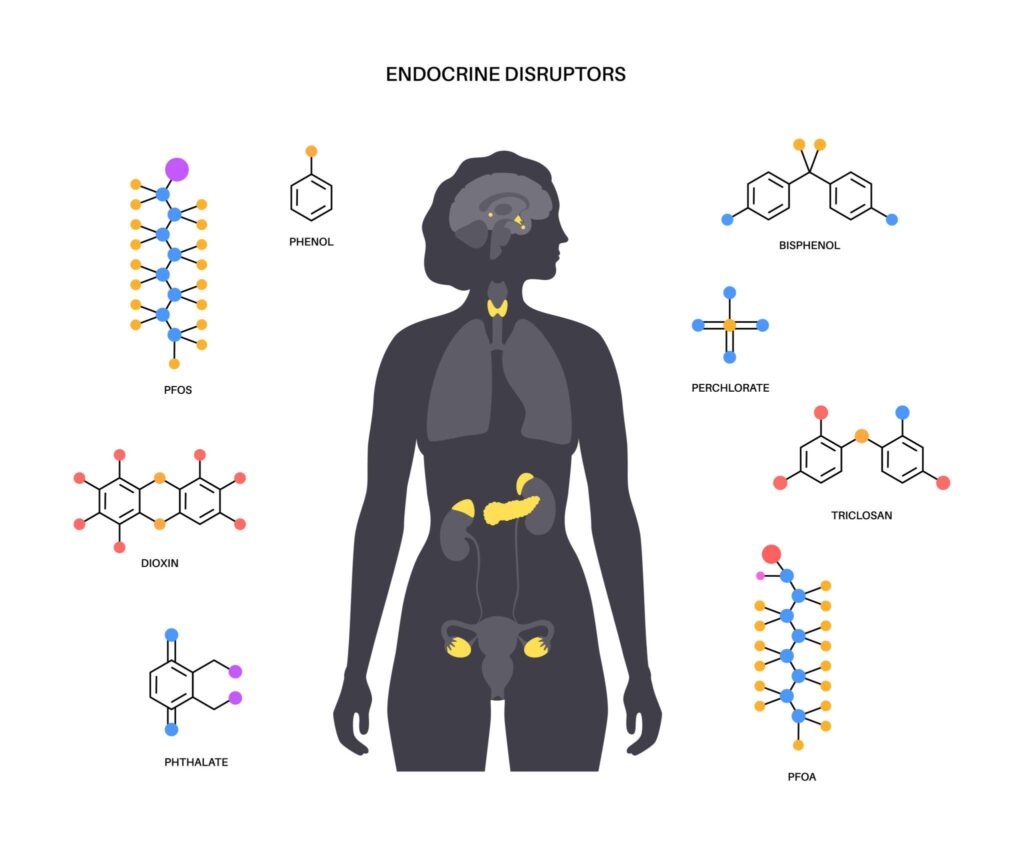
Many of these compounds are known or suspected endocrine disruptors—meaning they can interfere with hormone systems critical for growth, metabolism, and reproduction.
Why This Matters: Consumer Exposure and Long-Term Health
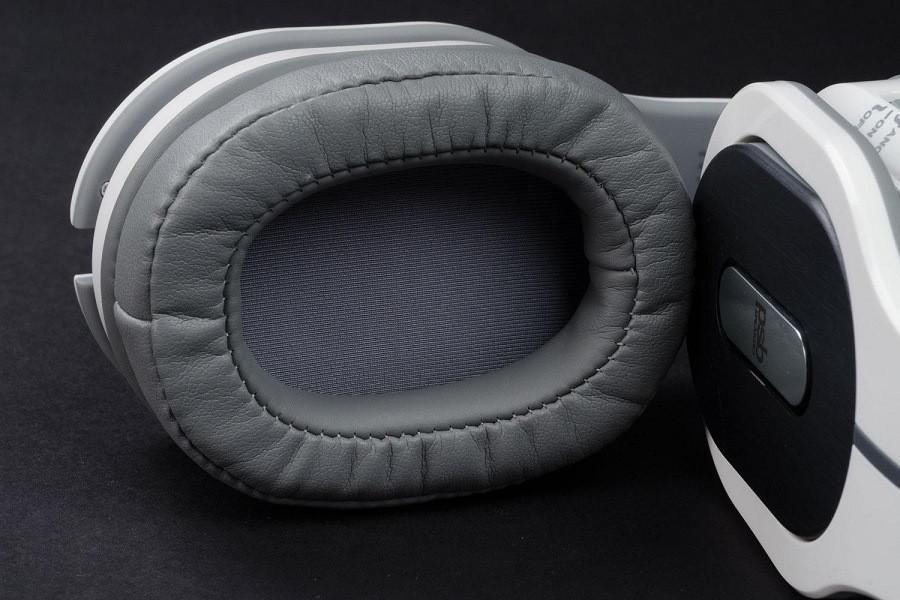
Although the study did not directly prove immediate health dangers, scientists warn that regular use, especially when headphones are pressed against skin for hours, creates daily exposure that could add up over time.
Health concerns linked to the identified chemicals include:
- Hormone imbalance
- Early puberty in children
- Feminization in males
- Potential increased cancer risks
- Possible reproductive issues from phthalates
Many of these substances are classified as “forever chemicals” because they do not easily break down in the environment or the human body, leading to persistence and accumulation with repeated use.
This matters now because headphone use is widespread, with millions of people—including teens and children—wearing these devices daily for long durations. There is growing concern that prolonged skin contact combined with heat and sweat may increase chemical migration into the body.
How These Findings Fit With Past Research
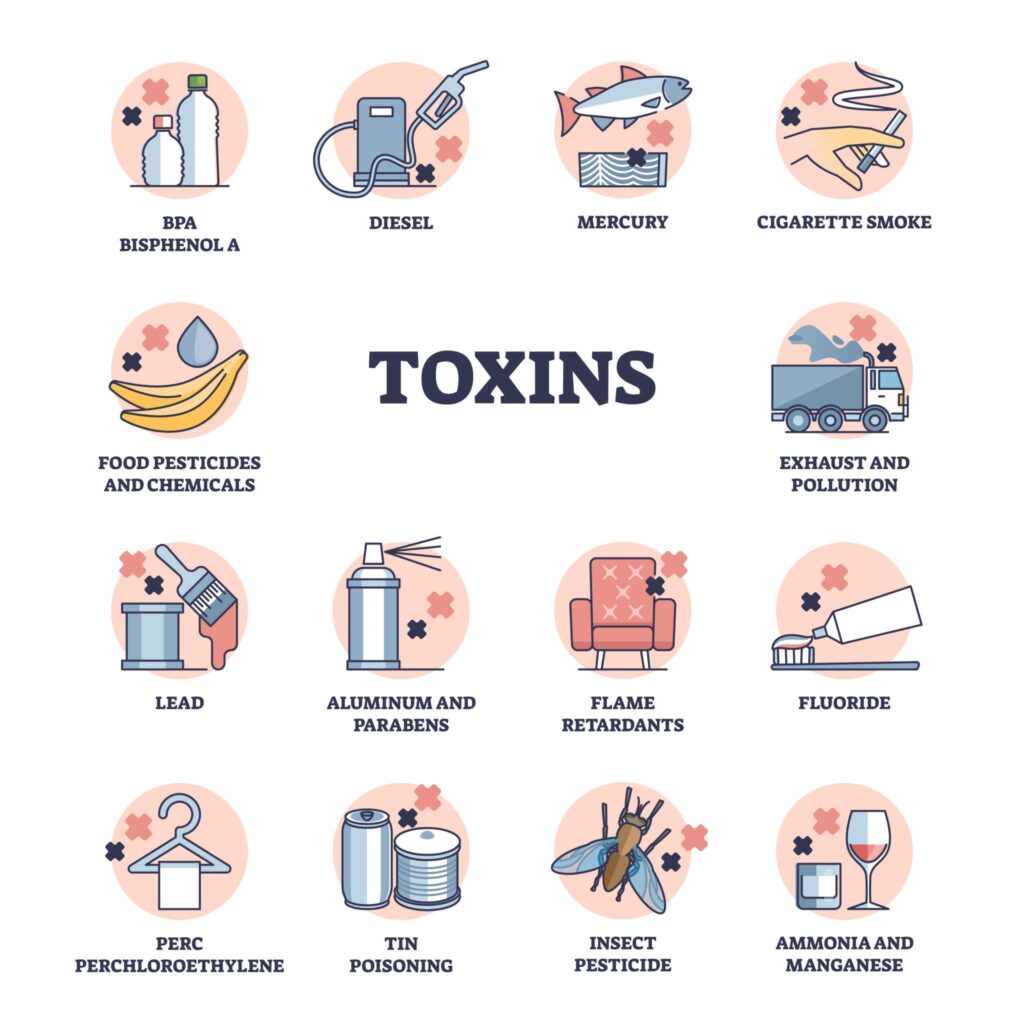
While this new headphone study grabbed headlines, it aligns with earlier research showing hazardous chemicals in common consumer products. Previous investigations have detected chlorinated paraffins and other toxic materials in toys, plastics, and electronics—sometimes even long after such substances have been banned in some countries.
One older study found chlorinated paraffins—a chemical class used in plastics—despite being banned in Canada years earlier. This highlights how difficult it can be to fully eliminate harmful chemicals from global supply chains.
Chemists and consumer safety advocates say this underlines a larger regulatory gap in tracking and controlling toxic substances in everyday products.
What Consumers Should Know and Do
If you use headphones regularly, the new findings don’t mean you should panic. However, experts advise that consumers stay informed and take precautionary steps:
Tips for minimizing exposure:
- Avoid wearing headphones for excessively long hours.
- Choose headphones with replaceable or cushioned ear pads that reduce direct contact with plastic.
- Wash your hands after handling devices, especially after exercise.
- Consider using wired headphones with fabric-covered components that may contain fewer chemicals.
Manufacturers currently do not list detailed chemical compositions on packaging, and some brands have not publicly responded to the findings.
Looking Forward: Regulation, Industry Response, and Consumer Safety
Consumers and advocacy groups are calling for stricter regulatory oversight and greater transparency from manufacturers so buyers can make informed decisions.
Proposals include:
- More independent third-party testing for consumer electronics.
- Mandatory chemical disclosure labels on devices.
- Updates to safety standards that currently lag behind emerging science on endocrine disruptors.
Health advocates argue that digital lifestyle products should be held to the same safety standards as items like toys and food packaging, given how deeply integrated these gadgets are in daily life.
Real Risks or Overblown Fear? Expert Perspectives
Some tech outlets criticize the way these findings have been reported, noting that the detection of chemicals does not equal confirmed harm at typical exposure levels.
However, scientists emphasize the precautionary principle: even if immediate harm isn’t proven, repeated exposure over years—especially in sensitive populations like teens—warrants attention.
At the very least, the study has sparked important conversations about product safety and how everyday gadgets interact with human biology in ways not previously understood.
Subscribe to trusted news sites like USnewsSphere.com for continuous updates.