In a dramatic turn of events that has captured national attention and generated viral debate online, the Hilton Minneapolis immigration ban controversy has emerged as one of the most talked-about hospitality and federal enforcement stories in early 2026. What began as a seemingly routine hotel reservation issue quickly escalated into a major clash involving the Department of Homeland Security (DHS), Immigration and Customs Enforcement (ICE), Hilton Worldwide Holdings, franchise owners, and advocates on all sides of the political spectrum.
What triggered the Hilton Minneapolis immigration ban controversy
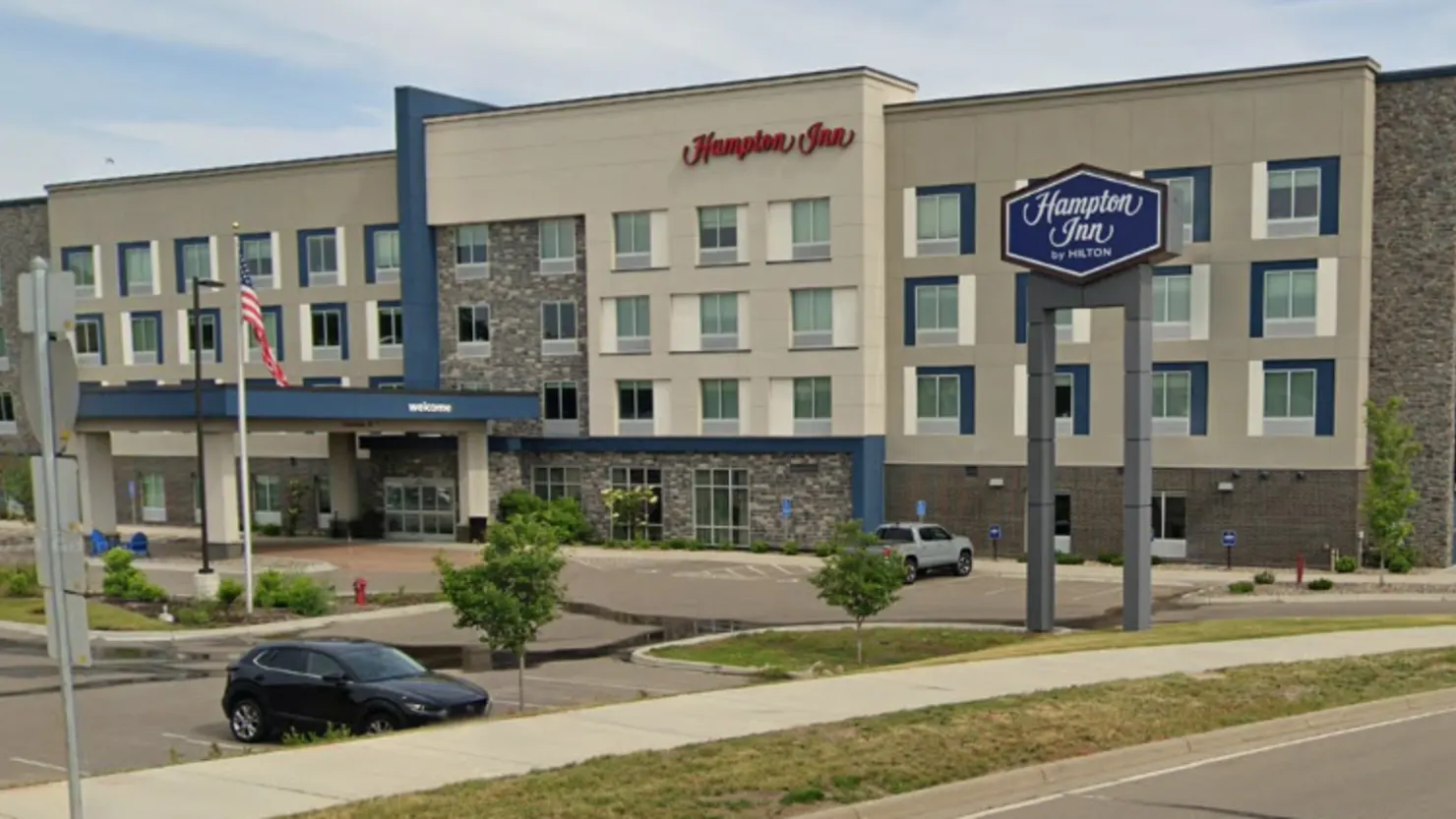
The Hilton Minneapolis immigration ban controversy began in early January 2026 when the U.S. Department of Homeland Security publicly accused a Hampton Inn by Hilton in Lakeville — a suburb of Minneapolis — of canceling and refusing reservations made by federal immigration officers. The emails, screenshots, and public social media posts circulated first by DHS and later amplified through mainstream outlets showed communications in which hotel staff allegedly informed agents from Immigration and Customs Enforcement (ICE) and DHS that their reservations would be canceled because the property was “not allowing any ICE or immigration agents to stay” at the hotel.
The cancellation of reservations came amid a major federal immigration enforcement operation in Minnesota involving hundreds, and in some reports thousands, of DHS and ICE personnel. This operation, described by U.S. officials as one of the largest in recent history, focused on allegations of welfare and fraud violations in the region, particularly in the Somali immigrant community around the Twin Cities. The timing and visibility of the reservation cancellations immediately fueled public debate. Critics accused the hotel of discriminatory behavior against federal agents, while others raised questions about business rights and federal enforcement tactics.
Hilton’s corporate response and removal of the franchise
In the immediate aftermath, Hilton Worldwide Holdings issued rapid statements clarifying that the property in question was independently owned and operated and that the actions taken there were not reflective of Hilton’s corporate values of inclusivity and non-discrimination. Hilton representatives emphasized that most Hilton-branded hotels are franchises, typically locally owned and managed, and that the company does not control every operational decision made by those individual owners.

Despite initial efforts to calm the situation — with franchise owner Everpeak Hospitality apologizing and claiming the incident was inconsistent with policy — viral video footage and continued public backlash prompted a stronger response. On January 6, 2026, Hilton announced it would remove the Lakeville Hampton Inn from its reservation system and franchising network altogether. Hilton executives stated that the actions taken by the independent hotel violated company standards and values, necessitating decisive action to maintain brand integrity. This move was welcomed by DHS leadership, which publicly praised Hilton for addressing the issue.
Viral footage and public reaction that fueled the debate
One of the pivotal factors amplifying the Hilton Minneapolis immigration ban story was a video shared by a social media commentator that appeared to show a hotel employee continuing to refuse service to someone claiming to book rooms for DHS personnel — even after official statements from Hilton and the franchise suggested the issue had been resolved. This video rapidly gained millions of views across platforms, igniting broader public discussion and outrage.
The footage was widely shared on social media, triggering extreme reactions from across the political spectrum. Some commentators condemned the hotel’s stance as discriminatory, while others defended the right of private businesses to choose their clientele. Hashtags and calls for boycotts of Hilton surfaced quickly, particularly in conservative circles, while immigrant rights advocates focused on the broader context of federal enforcement and community impact. The polarization around the video reflected wider national tensions over immigration policy — and ensured that this episode would be discussed far beyond Minnesota.
DHS and the federal enforcement context behind the Minneapolis operations
Understanding the Hilton Minneapolis immigration ban story requires contextualizing the federal operation that brought so many DHS and ICE officers to the Minneapolis area. According to officials, the deployment was a response to complex fraud and immigration violations allegedly tied to government benefit programs, with particular scrutiny on cases involving Somali-run organizations. The operation represented one of the largest federal immigration enforcement efforts in the state’s recent history, involving thousands of officers from multiple DHS divisions.
Governor Tim Walz and other local leaders publicly criticized the federal operation as overreaching and poorly coordinated, while immigrant advocacy groups warned that the focus on specific communities could foster fear and distrust. These tensions framed the environment in which the reservation cancellations occurred, adding deeper layers to the public debate about fair treatment, law enforcement priorities, and community relations in immigrant-rich regions of the United States.
Legal and ethical debates around service refusal
The Hilton Minneapolis immigration ban controversy also reignited discussions about the legal and ethical rights of private businesses to refuse service. Under U.S. law, hotels and other hospitality providers generally cannot discriminate against customers on the basis of protected categories such as race, religion, or national origin. However, agency affiliation — such as working for the federal government — is not a protected class under federal civil rights statutes, leaving some legal ambiguity about whether the hotel’s actions constituted unlawful discrimination.
Ethically, however, many argued that single-out refusals of law enforcement personnel — particularly amid an active enforcement operation — could undermine the principle of neutrality in hospitality and erode trust between private businesses and government agencies. Opponents of the hotel’s actions also pointed to the broader symbolic implications of denying service to federal agents performing official duties, even if technically legal. Meanwhile, those defending the hotel’s choice raised questions about business autonomy and dissent in the face of controversial federal policies. This legal and ethical complexity deepened the public dialogue beyond simple headlines, making the incident a touchpoint in broader debates about rights, responsibilities, and community values.
Economic and brand implications for Hilton and the hospitality sector
From a corporate perspective, the Hilton Minneapolis immigration ban incident had measurable impacts on Hilton’s brand reputation and stock market performance. Early reports indicated that Hilton’s shares experienced volatility during the controversy, with fluctuations tied to investor reactions and public sentiment. The company’s swift decision to remove the franchise was aimed at mitigating long-term damage and reinforcing its commitment to inclusivity — a key brand differentiator in the competitive global hospitality market. Reuters
Beyond Hilton, the episode sparked broader industry reflection on franchise oversight. Large hotel chains often balance brand standards with decentralized ownership models, but this incident highlighted the risks when individual franchise choices clash with corporate values. Analysts suggested that this could prompt travel and hospitality firms to strengthen compliance and training standards for franchisees, ensuring more consistent guest experiences and reducing the likelihood of similar controversies in the future. This aspect of the story adds to its relevance for industry observers, shareholders, and everyday travelers alike.
Conclusion: What the Hilton Minneapolis immigration ban story reveals about business, policy, and public discourse
The Hilton Minneapolis immigration ban controversy is more than a headline about canceled hotel reservations — it is a case study in how corporate values, federal enforcement policy, social media influence, and public opinion intersect in modern America. What began as a disputed set of reservation cancellations quickly evolved into a nationwide conversation about discrimination, corporate responsibility, legal boundaries, and the power of viral content. The response from Hilton — including the removal of the offending franchise — illustrates how companies navigate high-stakes reputational risks in an era of heightened social scrutiny.
Subscribe to trusted news sites like USnewsSphere.com for continuous updates.