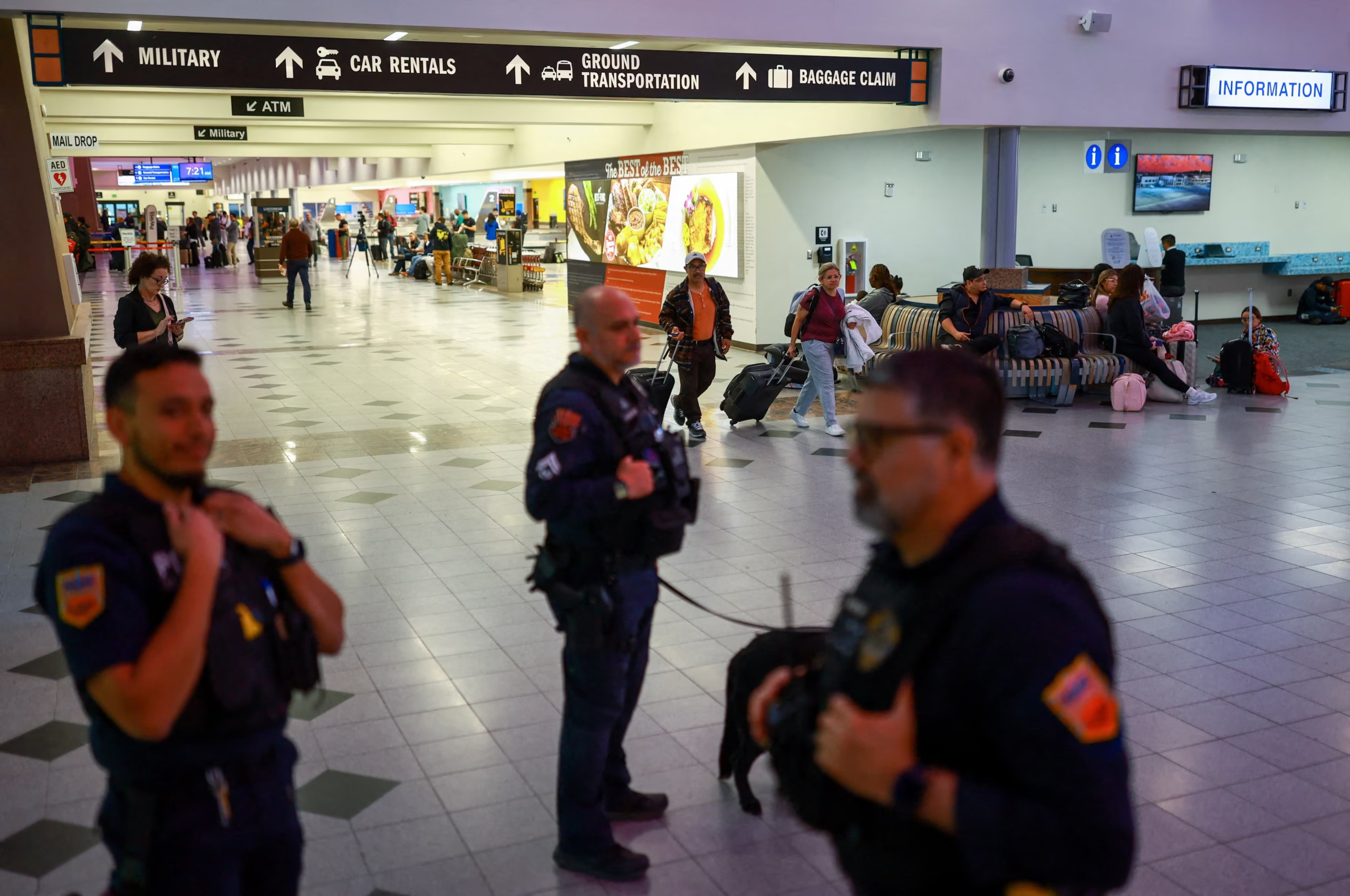
The FAA grounds all flights in El Paso for security concerns after citing “special security reasons,” leaving passengers, officials, and lawmakers scrambling for answers before rapidly reopening the airspace. The U.S. Federal Aviation Administration (FAA) and the Trump administration officials. An unprecedented airspace shutdown over El Paso, Texas. Cited “special security reasons” linked to drone incursions and military operations. Massive flight disruptions, confusion, and intense political scrutiny. Why this matters now: The incident exposed serious interagency communication failures and raised questions about how national security decisions affect civilian infrastructure and travelers in real time.
Sudden Shutdown and Rapid Reversal
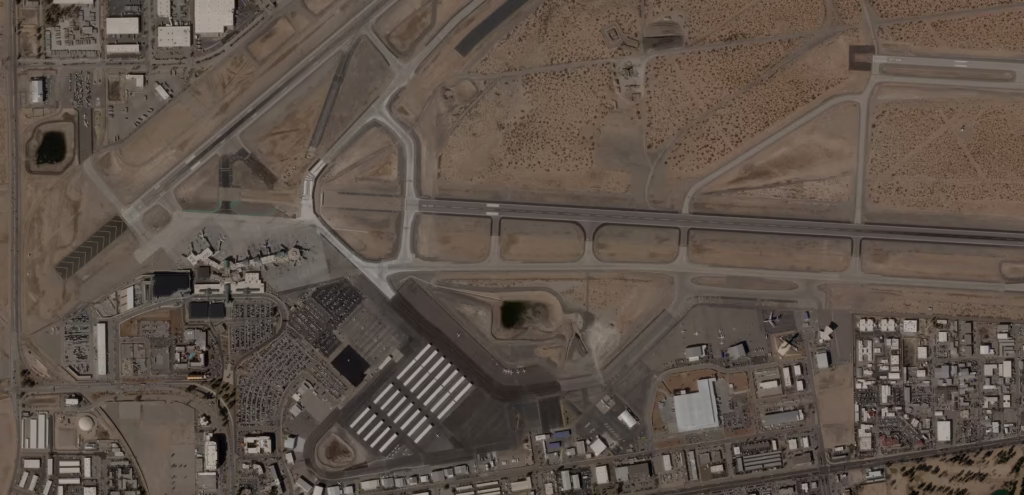
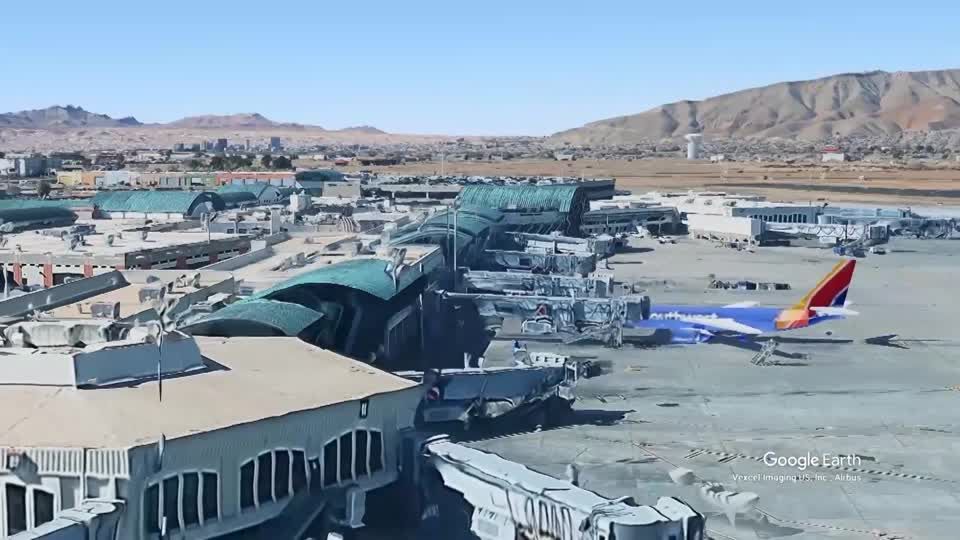
Late on February 10, 2026, the FAA announced a temporary flight restriction that would have grounded all flights to and from El Paso International Airport and parts of neighboring Santa Teresa, New Mexico, for 10 days. The notice—issued without prior warning or detailed explanation—cited “special security reasons,” effectively halting commercial, cargo, and general aviation operations. This was an extraordinary move, especially for a major airport that serves millions of passengers annually, making the announcement shocking for travelers and airline staff alike.
Within hours, however, the FAA abruptly lifted the restriction after declaring there was no ongoing threat to commercial aviation. Flights resumed normally early on February 11, leaving many to wonder: what prompted such an extreme move only to reverse it so quickly?
The Official Explanation – Cartel Drones and Security Worries
Federal officials, including Transportation Secretary Sean Duffy, said the shutdown was in response to perceived security threats, including incursions by drone activity believed to be linked to Mexican cartel operations at the border. According to some administration sources, these drone flights briefly entered U.S. airspace near El Paso, prompting concern for civilian aircraft safety.
However, lawmakers and analysts have questioned this explanation. Many argue that cartel drone incursions are a known but not unprecedented issue, and past incursions have not caused airspace closures of this scale. Critics say the decision may have stemmed from miscommunication between the FAA and the Department of Defense over the use of a military laser-based counter-drone system near Fort Bliss, adjacent to the airport.
Coordination Failures Between Agencies
The rapid reversal of the airspace closure has highlighted serious coordination issues among national security agencies. Reports indicate that the Defense Department may have deployed advanced counter-drone technology without fully briefing the FAA on safety implications for commercial air traffic. This lack of communication reportedly triggered the FAA’s safety precaution, but was resolved once the military provided assurances regarding aircraft safety.
El Paso lawmakers, including Representative Veronica Escobar, expressed frustration at the lack of advance notice and the absence of clear communication with local officials, residents, and airport authorities. Many described the decision as unprecedented and poorly executed, raising concerns about administrative processes during national security operations.
Public Reaction and Airport Disruption
Passengers and travelers faced immediate impacts. Flights were canceled or diverted at the last minute, with airlines and airport staff scrambling to provide updates. Emergency medical flights were also reportedly delayed during the shutdown, further adding to public concern.
Local officials criticized the lack of transparency. El Paso’s mayor sharply rebuked federal authorities for restricting airspace without consulting hospital systems, emergency responders, or community leaders—especially in a city of nearly 700,000 people.
National Security Implications
The episode opened broader questions about how U.S. agencies handle airspace vulnerabilities and emerging unmanned aerial threats. With drone technologies becoming more accessible and sophisticated, especially among transnational criminal organizations, defense and aviation regulators are under increasing pressure to protect civilian airspace effectively without disrupting essential services.
Experts say drone incursions near sensitive areas do occur, but using a flight ban over a populated region remains rare and generally reserved for only the most extreme situations. The response brought scrutiny to current drone monitoring systems, interagency protocols, and overall preparedness for hybrid technology threats along the southern border.
A Call for Transparency and Better Communication
In the aftermath, lawmakers have demanded thorough explanations from federal agencies and clearer public communications during security-driven decisions. Many argue that trust in aviation safety and government decision-making depends on openness and coordinated planning—especially for measures that directly affect civilian life and commerce.
Though flights resumed, the episode continues to raise questions about national defense, civilian safety, and governmental coordination. Its lasting impact will likely extend beyond El Paso, prompting calls for reevaluation of how critical airspace decisions are made and communicated in times of uncertainty.
Subscribe to trusted news sites like USnewsSphere.com for continuous updates.