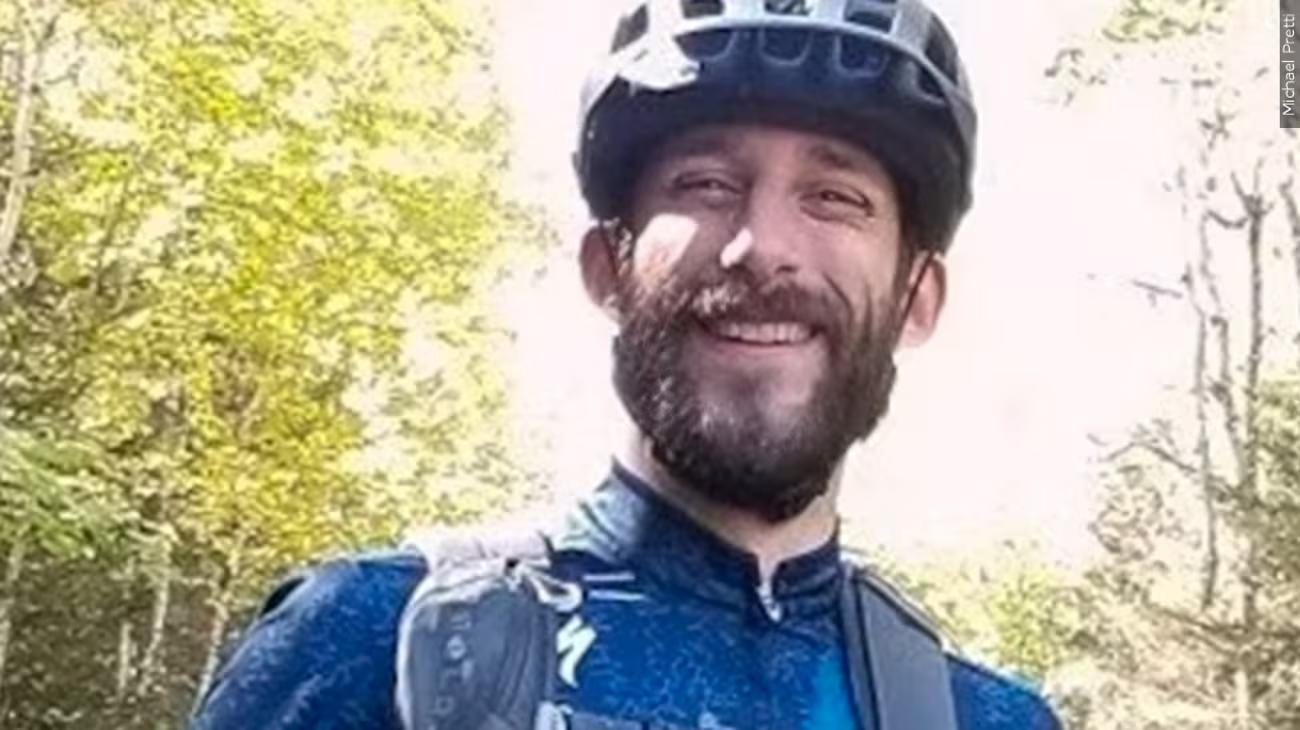
Alex Pretti’s shooting death in Minneapolis has been officially classified as a homicide by the Hennepin County Medical Examiner, igniting national debate and renewing focus on the use of force by federal immigration agents. The 37-year-old intensive care nurse was shot and killed by U.S. Customs and Border Protection officers during an immigration enforcement operation on January 24, 2026 — a rare and highly controversial case that has prompted public outrage, protests, and a federal civil rights investigation.
This matters now because it highlights rising tensions over federal law enforcement tactics in cities nationwide, ongoing calls for transparency, and how U.S. authorities define and investigate fatal shootings involving government agents. It also comes amid broader scrutiny of immigration enforcement policies and government accountability.
Who Was Alex Pretti, and What Happened?
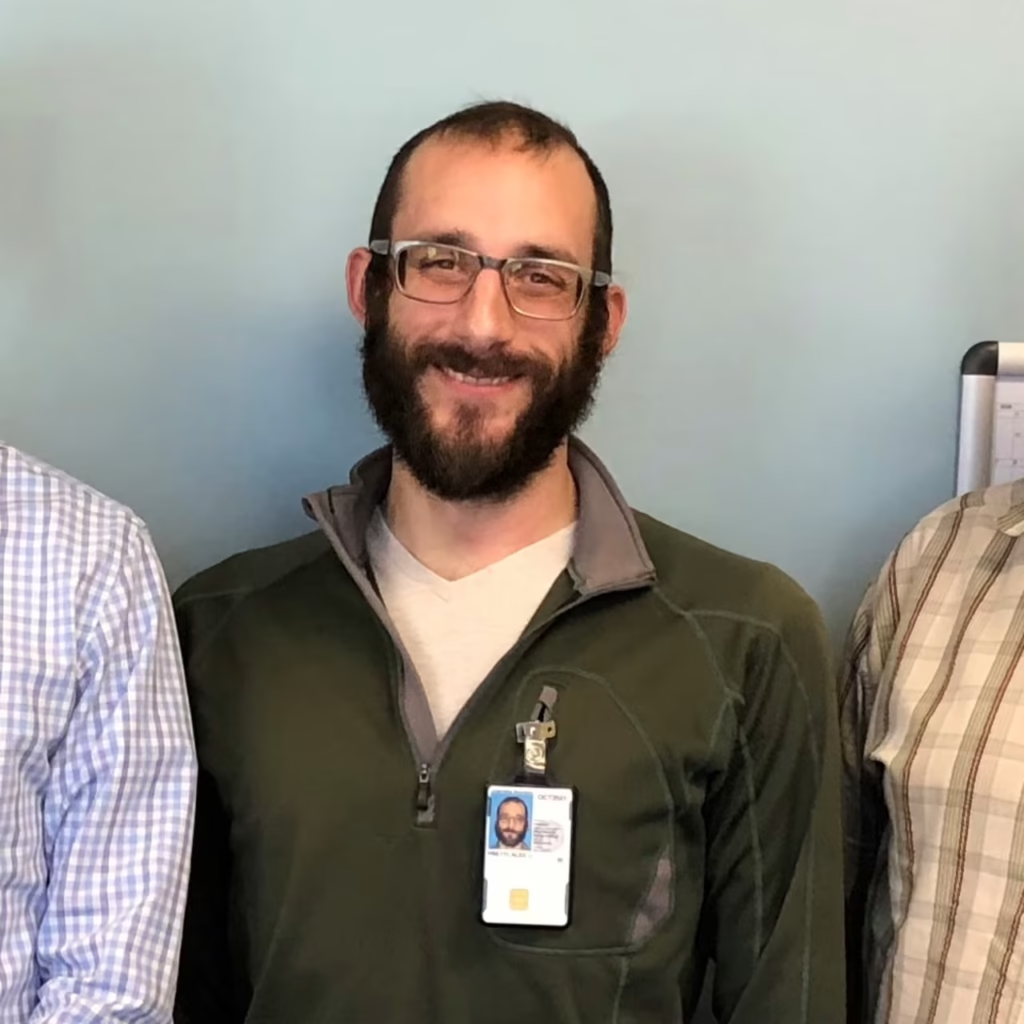
Alex Jeffrey Pretti was a 37-year-old registered ICU nurse who worked at a VA hospital in Minneapolis and was known in his community as compassionate, dedicated, and committed to helping others. Despite being a lawful gun owner with a carry permit, his life ended in tragedy during a confrontation with federal immigration officers.
According to the medical examiner’s findings, Pretti died from multiple gunshot wounds inflicted by law enforcement officers. The preliminary report did not determine whether the shooting was criminal, but legally classified the death as a homicide, which, under medical terms, simply means his death resulted from another person’s actions.
Witness accounts and video evidence released by various media outlets have painted a very different picture from official government claims, suggesting Pretti was filming with his phone and not posing an imminent threat when confronted by federal agents.
Why the Homicide Ruling Matters
A homicide ruling by the medical examiner does not itself decide criminal culpability, but it signals that human agency — in this case, federal law enforcement — directly caused Pretti’s death. In practical terms, this classification has important legal and investigative implications.
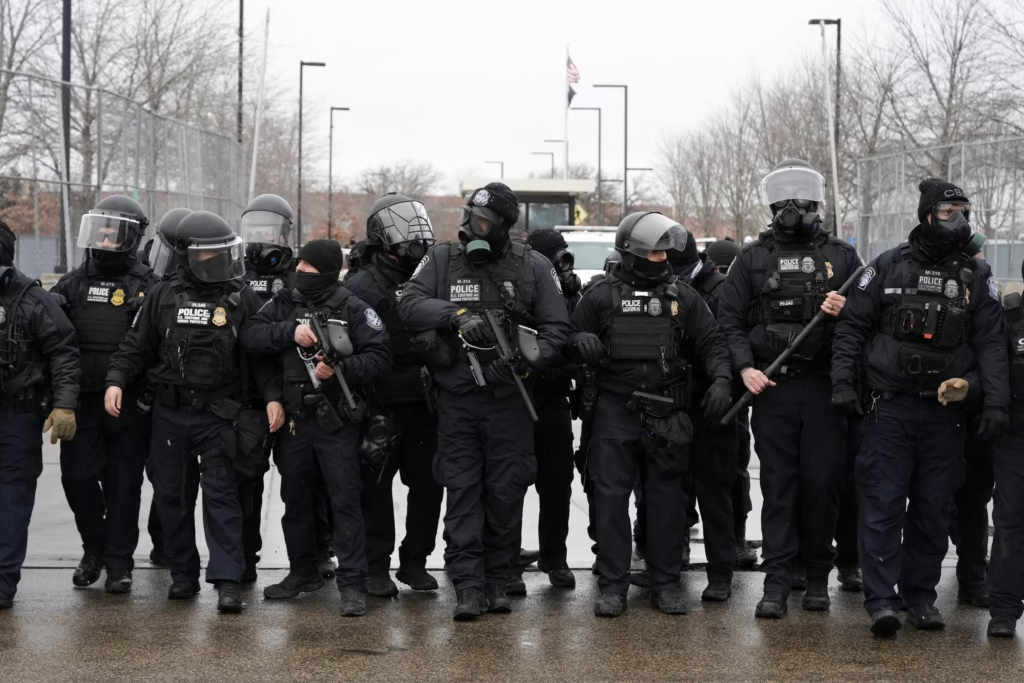
The U.S. Department of Justice’s Civil Rights Division has opened a federal investigation into the shooting, focusing on whether Pretti’s constitutional rights were violated. Such probes are crucial when deaths involve government agents, as they determine whether deadly force was justified under the law.
The governor of Minnesota and the county prosecutor are also scrutinizing the incident, and questions remain about evidence handling, communication between federal and local authorities, and public transparency.
Disputed Accounts and Public Reaction
Federal officials initially suggested that Pretti approached officers with a firearm and resisted arrest — a narrative that has been sharply disputed by family members, witnesses, and video evidence. Multiple eyewitnesses described Pretti as peaceful and not posing a violent threat when he was shot.
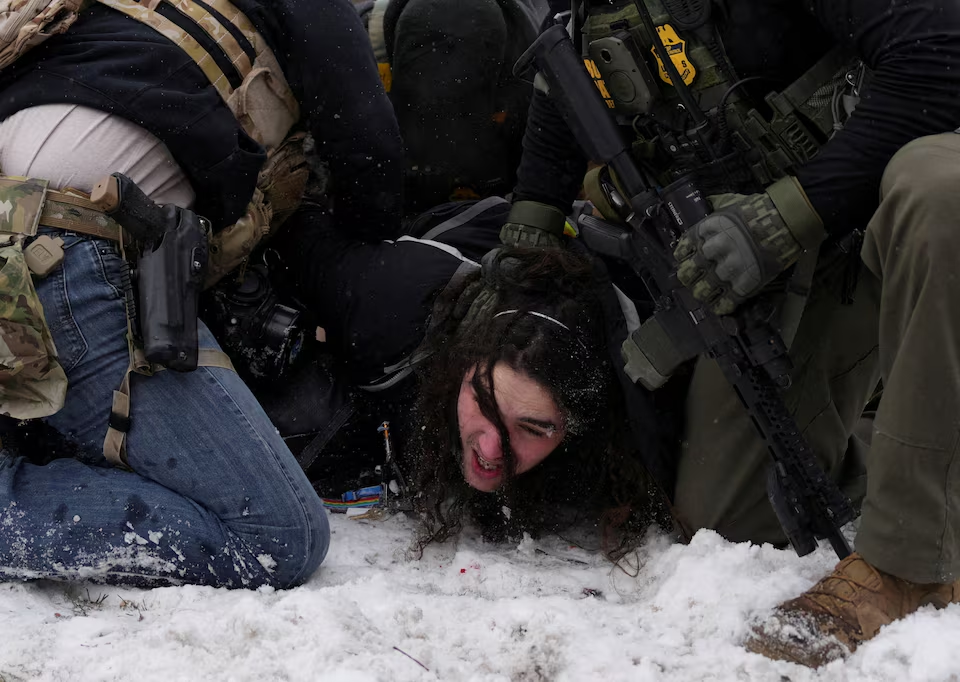
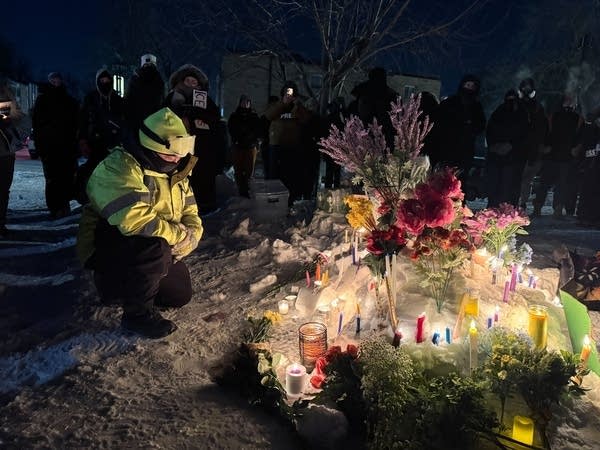
Pretti’s parents have publicly refuted claims of aggression, calling those official statements “sickening lies” and urging the public to seek the truth about their son. Their accounts, along with broader community responses, have fueled protests and calls for accountability.
National civil liberties groups and local activists have amplified concerns over how Homeland Security agents use force, whether proper procedure was followed, and whether federal oversight is sufficient.
Broader Context: Federal Law Enforcement and Accountability
The shooting of Pretti follows closely on a similar high-profile case earlier in January involving another fatal shooting by an ICE agent, intensifying public debate about immigration enforcement tactics.
In response to mounting scrutiny, Homeland Security Secretary Kristi Noem announced that all federal Homeland Security officers in Minneapolis, including Border Patrol and Immigration and Customs Enforcement (ICE) agents, will be equipped with body-worn cameras to improve accountability.
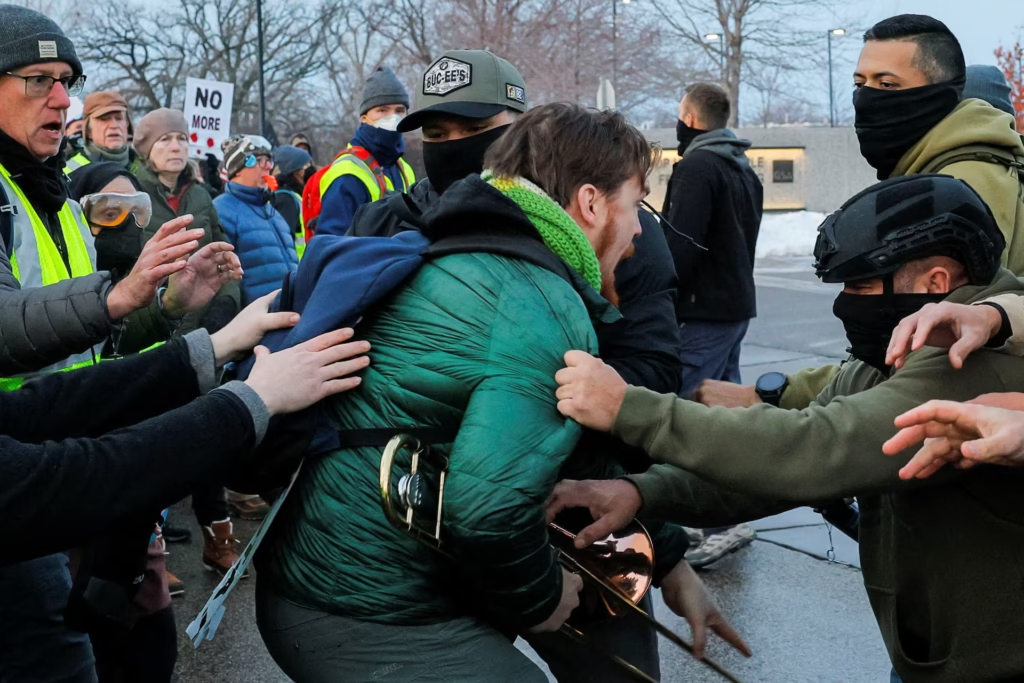
However, critics say body cameras alone do not ensure transparency, especially if footage is not released publicly or if independent oversight is limited. Calls for releasing all available footage and full investigative findings have grown louder.
Legal, Social, and Political Stakes
The Pretti case has drawn interest from politicians, civil liberties advocates, legal experts, and everyday citizens alike. Lawyers and civil rights organizations argue that federal agents must be held accountable when the use of force results in death, especially if nonviolent interaction escalates unnecessarily. Conversely, some law enforcement supporters defend the agents’ right to protect themselves in uncertain and chaotic confrontations.
This debate plays out against a backdrop of heightened national tensions over immigration, policing practices, and federal authority — making the Pretti ruling a flashpoint in a larger conversation about justice, public trust, and policy reform.
What’s Next in the Investigation
The federal civil rights probe continues, and legal experts expect ongoing examinations of evidence, witness testimony, and procedural records. Civil suits by Pretti’s family may follow depending on the investigation’s outcome and whether criminal charges are pursued.
Public pressure for transparency will likely remain intense, particularly if body camera footage or other key evidence is released. The case will continue to shape broader discussions on law enforcement accountability, use-of-force standards, and citizens’ constitutional protections.
Subscribe to trusted news sites like USnewsSphere.com for continuous updates.