
FedEx deletes Jeffrey Epstein account records showing shipments under the convicted sex offender’s name long after his death, sparking widespread questions about transparency and accountability. Investigators say FedEx removed invoices from Epstein’s FedEx shipping account that showed the account was active as recently as 2024 — five years after his 2019 death — raising concerns about record integrity and public trust. Critics argue this touches on larger questions about how government and corporations handle sensitive historical records released under transparency laws.
In this exclusive, in-depth report, we explain who was involved, how the records were accessed, what was deleted, why this matters now, and the broader implications for justice, transparency, and historical accountability.

How the Epstein Files Led to FedEx Record Deletions
The recent release of millions of documents related to Jeffrey Epstein under the Epstein Files Transparency Act gave researchers access to previously restricted materials, including an unredacted FedEx login password. An Irish investigative outlet called The Ditch used that password to access Epstein’s FedEx account and discovered invoices from shipments made in 2024, long after Epstein’s death in 2019.
The DOJ originally published these files as part of its commitment to transparency, but the inclusion of unredacted account credentials raised security concerns. Shortly after The Ditch publicized the FedEx shipment information, the invoices were removed from the database. It remains unclear whether FedEx deleted the records at its own discretion or in response to a government request.

Who Was Involved and What the Records Show
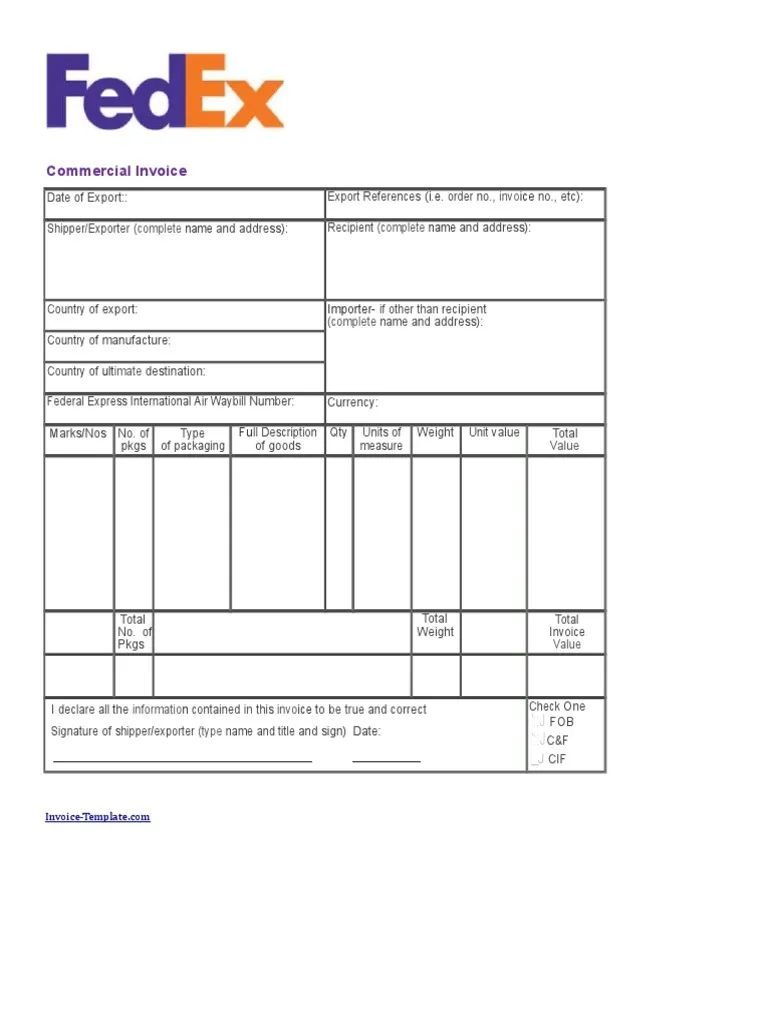
The deleted invoices showed two shipments in 2024 billed to Epstein’s FedEx account: one delivered to Plan D LLC in Kennesaw, Georgia, and another to Empire Aviation in West Palm Beach, Florida. Plan D was the company that once owned and operated Epstein’s private jet, which later became notable when it was used in national political contexts.
The account also contained an address book with nearly 100 contacts, including high-profile names linked to Epstein’s network over the years — from convicted trafficker Ghislaine Maxwell to business figures and military consultants. Some analysts have pointed out that the presence of such extensive contact lists raises questions about systemic oversight and legacy data handling.
Legal and Transparency Concerns Surrounding the Deletion
The removal of these records has drawn heavy criticism from transparency advocates and legal experts. The purpose of the Epstein Files Transparency Act is to release comprehensive materials about Epstein’s activities and networks so that the public — including victims — can see the full scope of evidence. Deleting records that were once publicly available undermines that goal, experts say.
Critics argue that deleting this kind of data sets a troubling precedent. If key details can be removed after public release, the integrity of the entire archive comes into question. Some lawmakers and commentators say this fuels suspicion about hidden information or unexplained motivations — even when there might be mundane technical reasons for the deletions.

The Broader Fallout From the Epstein Files Release
The FedEx deletion isn’t an isolated incident: it is part of a larger, ongoing national conversation about the Epstein files, which include millions of pages of communications, flight logs, payments, and other records. These files have already named a wide range of public figures and led to political disputes over how transparent the Department of Justice should be when releasing such sensitive material.
This controversy touches on public trust in government transparency, corporate responsibility for historical records, and the broader accountability for institutions that once interacted with Epstein and his associates. It has also sparked debates in Congress about whether redactions and deletions were appropriate or if they mask deeper issues.

Why This Matters Now: The Implications for Public Trust
The timing of these developments is critical. In a moment when public trust in institutions is already strained, the removal of record evidence can deepen skepticism and fuel speculation. Advocates for victims’ rights and transparency argue that retaining and openly sharing these records is essential for historical truth and justice — and that any unexplained deletions weaken faith in official processes.
Furthermore, how corporations like FedEx respond when sensitive legacy data surfaces in public investigations is now a point of scrutiny. Observers say the incident may prompt new discussions about digital records retention, security, and the obligations of companies when private data becomes part of a public investigation.

The Next Steps: Accountability & Public Access
While FedEx has not publicly explained why the records were deleted, and the DOJ has not fully addressed the situation, legal analysts and transparency advocates expect this issue to remain in the spotlight. Some lawmakers are calling for clearer guidelines on how such records should be preserved and how deletions should be handled when they involve public interest.
What happens next could influence not only how future historical investigations are conducted, but also how corporations, government agencies, and the public navigate the tension between data privacy and transparency.
Subscribe to trusted news sites like USnewsSphere.com for continuous updates.