
Vitamin B12 brain health benefits stand out as one of the most talked-about topics in nutrition and neuroscience today, because new research suggests that even “normal” levels of this essential vitamin might not be enough to protect your brain as you age. What is Vitamin B12, why does it matter, who’s at risk, and how could it impact your memory, mood, and long-term cognition?
Most people know B12 as a nutrient important for red blood cells, but scientists now say its role in brain function, neurotransmitter production, mood regulation, and cognitive aging deserves even more attention. In older adults, especially, suboptimal B12 may be tied to slower thinking and increased risk of memory decline, even when standard blood tests say “normal.” Researchers argue the current minimum level may be too low for optimal brain health, making Vitamin B12 a hot topic right now.
What Is Vitamin B12 and How Does It Affect the Brain
Vitamin B12 — also called cobalamin — is a water-soluble vitamin critical for nerve function, DNA synthesis, and energy production. Unlike some nutrients your body makes on its own, B12 must come from food or supplements, because humans cannot produce it naturally.
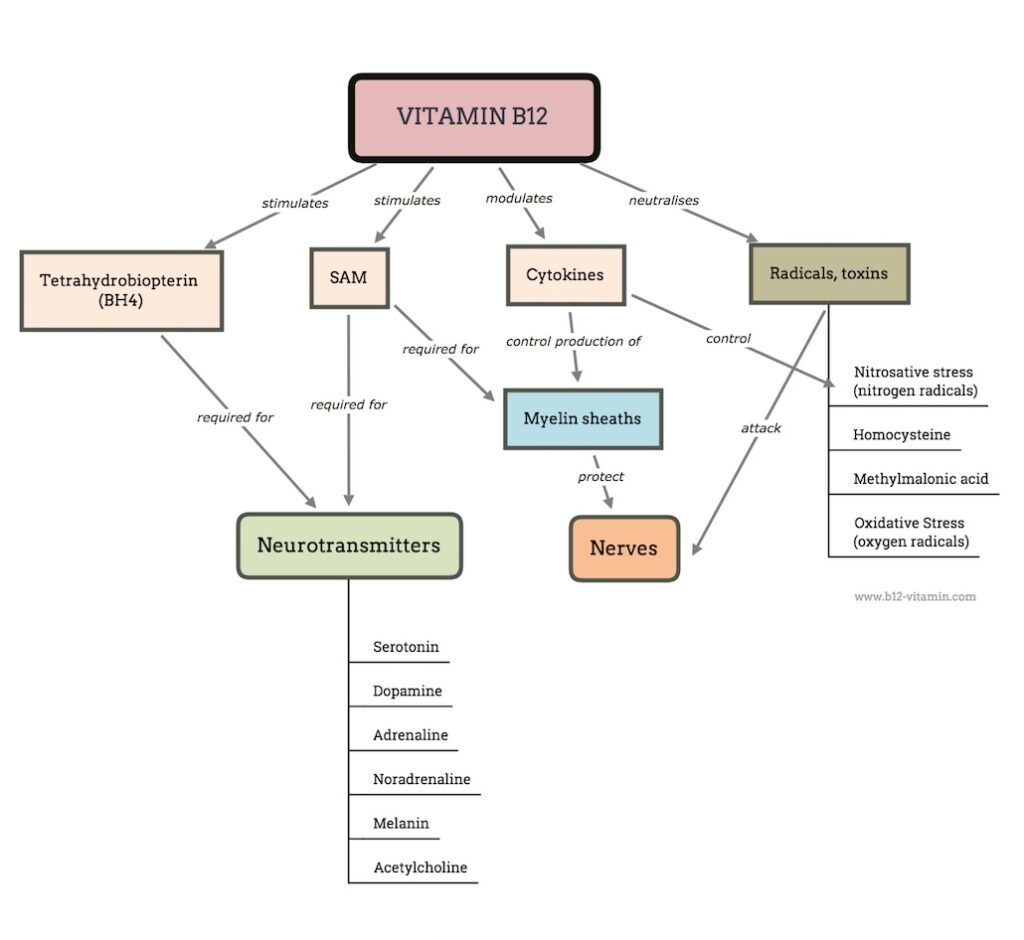
In the brain, B12 supports the creation of myelin (the protective covering around nerves) and helps produce neurotransmitters — chemical messengers that carry signals between brain cells. Without enough B12, nerve communication slows down. This may contribute to memory lapses, mood disturbances, and slower processing speeds.
Researchers also note that B12 deficiency has been linked to cognitive disorders, depression, and even symptoms similar to dementia. Some studies show that older adults with low-normal B12 levels (still considered “healthy”) may show signs of brain aging and slower cognitive performance compared to those with higher B12 levels.
Who Is at Risk for Low B12 and Why It Matters
While anyone can develop a B12 deficit, certain groups are especially vulnerable. These include:
• Older adults, because stomach absorption declines with age.
• Vegans and vegetarians, since B12 is naturally found mostly in animal products.
• People with digestive conditions such as celiac or Crohn’s disease.
• Those taking certain medications (like acid reducers or metformin).
According to recent research, even when blood tests show “normal” levels of B12, many people — especially older adults — may still experience subtle brain changes tied to suboptimal B12. These include white matter lesions (markers of brain aging), slower thinking speed, and diminished visual processing — early signs often associated with cognitive decline or dementia.
If ignored, prolonged deficiency can lead to permanent nerve damage, severe memory problems, and mood disorders — which is why it’s so important to take this nutrient seriously.
The Latest Scientific Findings on Vitamin B12 and Brain Function
Newer Research Suggests “Normal” May Not Be Enough
A recent study published in Annals of Neurology found that older adults with B12 levels in the lower end of the normal range showed measurable cognitive and neurological decline compared with those at higher levels. Researchers now suggest that current guidelines might need adjustment to protect brain function effectively.
Mixed Evidence on Supplementation Effects
While some clinical trials show that just adding B12 doesn’t dramatically improve cognition in people with normal levels, people with true deficiency often benefit, especially in mood and energy levels. Some meta-analyses have found limited effects of supplementation in healthy older adults, while others show short-term improvements in cognitive test scores among deficient individuals.
Signs Your Brain Might Need More B12
Because symptoms can be subtle, low B12 often goes unnoticed until it’s advanced. Common signs include:
• Unexplained fatigue or weakness
• Memory problems or brain fog
• Mood swings or depression
• Numbness or tingling in hands or feet
• Poor balance or coordination
These symptoms are often mistaken for normal aging, which is why medical professionals now encourage regular testing — especially after age 50.
Foods and Strategies to Support Healthy B12 Levels
Because B12 is most abundant in animal products, people with limited meat intake should focus on fortified foods or supplements. Top dietary sources include:
• Lean meats like beef and poultry
• Fish and shellfish
• Dairy products and eggs
• Fortified cereals and non-dairy milks
High-quality B12 supplements (especially methylcobalamin form) can be beneficial for those with absorption issues, but diet first is the least risky. Always consult a healthcare provider before starting high-dose supplements.
Why This Matters Now
Vitamin B12 brain health benefits aren’t just a nutrient fad — they reflect emerging evidence that what we once considered “adequate” may not be enough for long-term cognitive resilience. With aging populations worldwide and rising concern about dementia and memory loss, understanding how B12 supports nerve health is more important than ever. As research evolves, many experts now argue that optimal B12 levels may protect against brain aging more effectively than the current minimum standards suggest.
Subscribe to trusted news sites like USnewsSphere.com for continuous updates.