
Air Pollution Linked to Alzheimer’s and Dementia: New Evidence Unveils Hidden Brain Risk
Air pollution’s harmful impact goes far beyond lung health — new global research shows that tiny airborne particles (known as PM2.5) may directly increase the risk of Alzheimer’s disease and other forms of dementia in older adults. This breakthrough finding reveals that the microscopic pollution we breathe could be affecting our brains in powerful ways, making this one of the most important environmental health stories of the year. Why this matters now: as populations age worldwide and pollution levels remain high, understanding and preventing dementia has never been more urgent for public health and personal well-being.
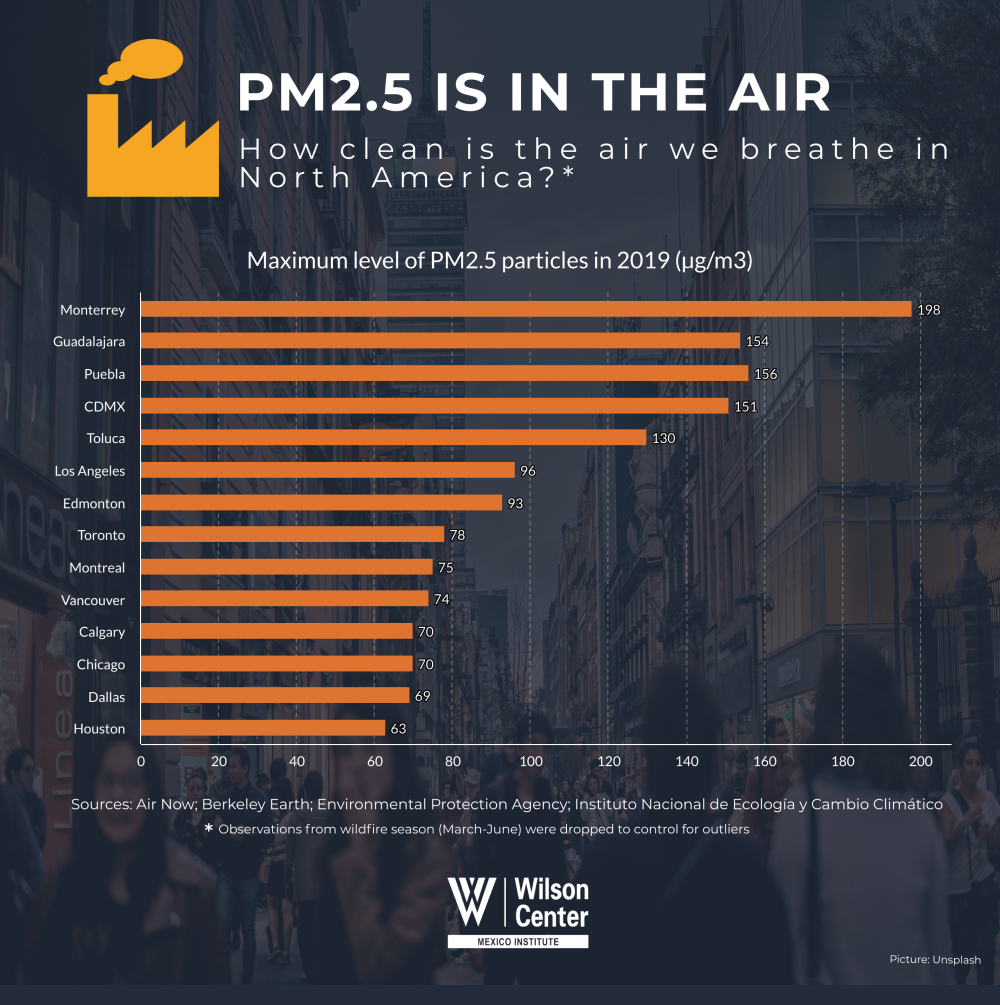
Air Pollution’s Direct Brain Effects: What the Latest Study Reveals
Recent research from a team at Emory University analysed the health and environmental data of nearly 28 million Americans over nearly two decades to investigate the long-term effects of fine particulate air pollution (PM2.5). The study found a clear association between higher air pollution exposure and increased risks of developing Alzheimer’s disease, even after accounting for common chronic health conditions such as high blood pressure, stroke, or depression that themselves raise dementia risk. Remarkably, most of the increased Alzheimer’s risk was directly linked to air pollution’s impact on brain health rather than happening indirectly through other illnesses.
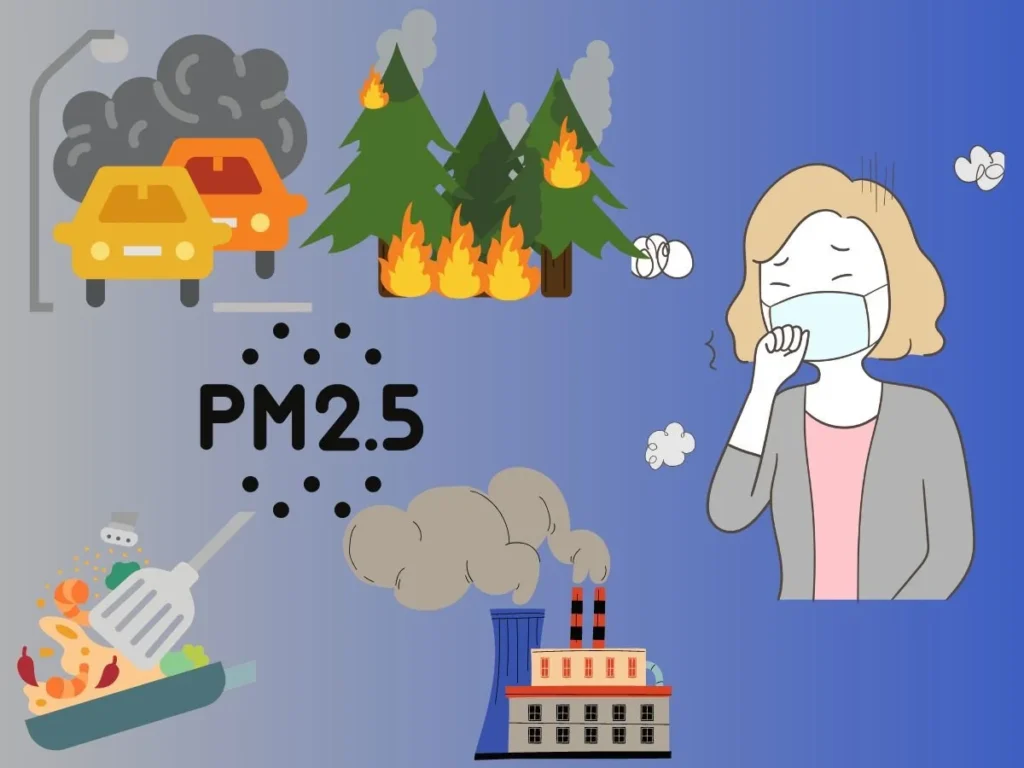
Experts explain that PM2.5 — particles so tiny they can penetrate deep into the lungs and enter the bloodstream — may cross the blood-brain barrier and trigger inflammation or neurotoxicity within brain tissue. This could accelerate the formation of toxic protein clumps and other brain changes that are hallmarks of Alzheimer’s and dementia. While the exact biological mechanisms remain under active study, the evidence now strongly suggests air pollution is not just a lung problem, but a neurological threat.
Broader Research Confirms Pollution’s Role in Cognitive Decline
This new study builds on a growing body of evidence from international research showing that exposure to fine particulate matter is linked to cognitive decline and dementia. Large reviews and previous cohort studies have found that for every increase in PM2.5 concentration, the relative risk of dementia rises significantly. These findings extend to Alzheimer’s disease specifically, as well as other forms of age-related cognitive impairment. The World Health Organization and public health organisations now recognise air pollution as a modifiable risk factor for dementia, meaning that reducing exposure could help prevent or delay cognitive decline.
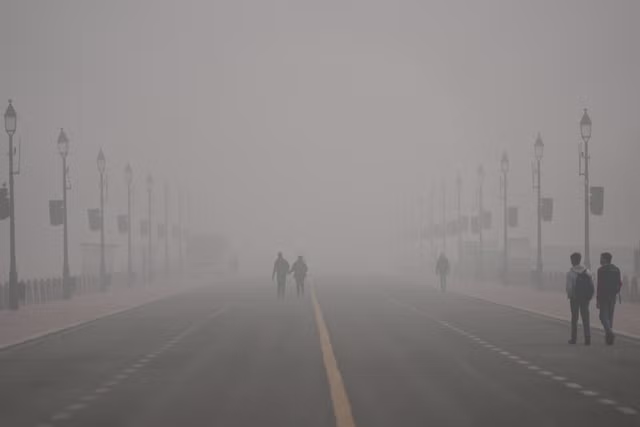
Importantly, global research also suggests that environmental improvements — such as greener cities and cleaner air policies — may reduce dementia risk. Green space appears to mitigate pollution’s brain impacts by improving air quality and promoting healthier lifestyles, offering a promising public health strategy.
Why Some Groups Are More Vulnerable
While air pollution elevates risk across populations, certain groups appear especially susceptible. People with a history of stroke showed a slightly greater association between pollution exposure and Alzheimer’s risk, possibly because cerebrovascular damage makes the brain more vulnerable to external toxins. Older adults, in general, are more affected as aging naturally weakens protective systems like the blood-brain barrier.
Scientific reviews also emphasise that pollution’s effect is not uniform everywhere — variations in PM2.5 composition, sources, and local air quality policies mean the risk may differ by region. However, the consistent pattern across studies underlines that even modest reductions in PM2.5 can have meaningful public health benefits.
Public Health Impacts and Policy Implications
The implications for public health policy are significant. Governments and health agencies may need to treat air quality not only as a respiratory issue but as a major contributor to neurological disease burden. Reducing PM2.5 levels through stricter emissions standards, cleaner energy sources, and urban planning could substantially lower dementia cases over time. This approach adds to the long list of benefits associated with cleaner air, including reduced heart disease, cancer, and respiratory illnesses.
Some experts now argue that understanding pollution’s neurological harm should accelerate regulatory efforts and encourage broader awareness among clinicians, caregivers, and at-risk individuals. Early diagnosis and lifestyle strategies to limit exposure — especially in urban and industrial areas — could also play a key role in prevention.
Personal and Community Actions to Protect Brain Health
While policymakers work on long-term solutions, individuals can take proactive steps to protect brain health. Monitoring air quality forecasts, using air purifiers at home, reducing outdoor activities during high-pollution days, and supporting local green initiatives all contribute to lowering personal exposure. Communities can also advocate for increased tree planting, low-emission zones, and sustainable transport infrastructure to improve regional air quality.
Most importantly, staying informed and prioritising preventive health measures — from brain-healthy diets and exercise to regular medical check-ups — complements environmental strategies in reducing dementia risks. Awareness of pollution’s impact on cognitive health enhances personal decision-making and supports broader public health goals.
The Future of Research and Awareness
Scientists acknowledge that more research is needed to fully unravel the complex mechanisms by which air pollution affects the brain. Longitudinal studies, advanced imaging techniques, and biological analyses are helping scientists map how PM2.5 influences neurodegeneration at the molecular level. This research will be key to developing targeted interventions and refining public health recommendations.
The rising body of evidence makes it clear that air pollution’s effects are not limited to the lungs — our brains are also at risk. Recognising this expands the urgency of clean air initiatives and underscores the interconnectedness of environment and health.
Subscribe to trusted news sites like USnewsSphere.com for continuous updates.