Gold Nears a Three-Month High as Traders Watch the Fed
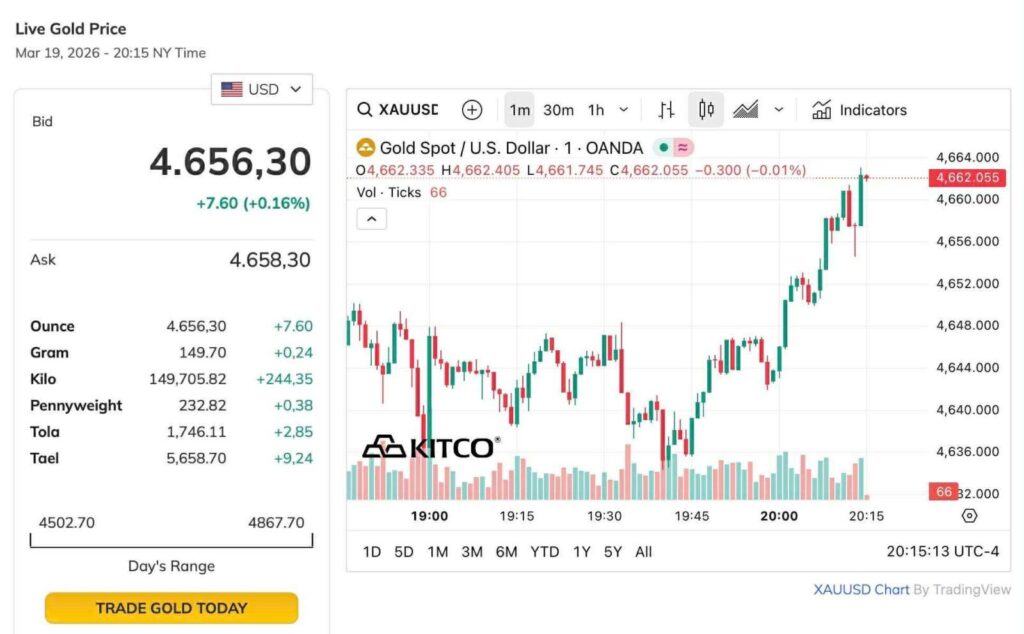
Gold near three-month high is the key market story on August 25, 2026, as investors position for a potentially important U.S. inflation report and await new guidance from Federal Reserve Chair Kevin Warsh. Spot gold was recently around $4,645.67 an ounce, after reaching its highest level since mid-May, while U.S. gold futures were around $4,702 an ounce.
The rally is not being driven by a single factor. A softer U.S. dollar, falling longer-term Treasury yields, renewed demand for gold as a hedge against currency and fiscal uncertainty, and technical buying have all helped bullion recover strongly during August. The U.S. Treasury’s decision to increase the size of its long-dated bond buyback operations has also become an important part of the market narrative.
The next major test comes Wednesday, August 26, when the U.S. Bureau of Economic Analysis is scheduled to release the July Personal Income and Outlays report, including the latest Personal Consumption Expenditures price index. The PCE index is particularly important because it is the Federal Reserve’s preferred inflation measure.
Why U.S. Inflation Data Matters So Much for Gold
The upcoming PCE report matters because inflation can influence how long the Federal Reserve keeps interest rates restrictive. The latest available PCE data showed the headline index rising 3.7% year over year in June, compared with 4.1% in May. The next release will provide the July reading and give investors another piece of evidence about whether inflation pressures are cooling or proving persistent.
Gold does not pay interest, so its relative appeal can change significantly when expectations for U.S. interest rates and Treasury yields move. If inflation comes in softer than expected, traders could increase expectations for lower future interest rates. That could pressure the dollar and Treasury yields while supporting gold. Conversely, a hotter inflation reading could reinforce expectations for higher-for-longer rates and create a short-term headwind for bullion.
The relationship is not automatic, however. Gold can rise even when inflation is elevated if investors are worried about fiscal stability, geopolitical risk, currency depreciation or financial-market stress. That is important in the current environment because the recent gold rally has involved more than conventional Fed-rate expectations.
Treasury Buybacks Add a New Layer to the Gold Rally
One of the most important developments behind the recent move has come from the U.S. Treasury market. On August 19, the Treasury announced that it would at least double the maximum size of liquidity-support buyback operations for longer-dated nominal coupon securities. The maximum size of each operation is increasing from $2 billion to at least $4 billion, beginning September 9.
The announcement helped push longer-term Treasury yields lower and contributed to a weaker-dollar environment, both of which can improve the investment case for gold. Market participants have also debated whether the policy could reinforce concerns about the long-term purchasing power of the dollar, creating what some analysts describe as a broader “debasement” trade involving gold and other assets.
This does not mean Treasury buybacks automatically guarantee higher gold prices. The effect depends on how investors interpret the policy, how bond yields respond, and whether inflation expectations remain contained. But the announcement has clearly become part of the current gold-market narrative.
What This Means for You
For everyday investors, the biggest lesson is that the gold price is currently responding to several competing forces at once. A softer inflation number could strengthen expectations for easier monetary policy, while a hotter number could push back against those expectations. At the same time, geopolitical developments, Treasury policy, the dollar and bond yields can all move gold independently of the inflation report.
That makes the next few trading sessions potentially volatile. Investors should be careful about treating a three-month high as proof that gold can only move higher. Gold had previously reached a much higher record during 2026 before suffering a substantial correction, demonstrating how quickly sentiment can change when interest-rate expectations shift. Recent reporting also shows that the metal remains below its earlier 2026 record.
For U.S. investors, the most useful numbers to watch alongside gold are the PCE inflation rate, core PCE, Treasury yields and the U.S. dollar. For investors outside the United States, local-currency gold prices can behave differently because exchange-rate movements can amplify or reduce changes in the international gold price.
Investor Takeaway: Bullish Momentum Meets a Major Macro Test
The bullish case for gold remains significant, but it is no longer simply a story about inflation. Gold has benefited from renewed investor demand, technical momentum, a softer dollar and concerns surrounding longer-term U.S. fiscal and bond-market conditions. Reuters reported that gold-backed ETFs recorded their largest inflows in 10 months during the recent rally, with 46.7 metric tons of inflows valued at about $6.4 billion.

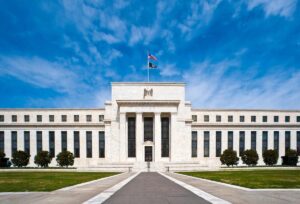
There is also a divided signal coming from Federal Reserve policy. The July FOMC meeting left the federal funds target at 3.50% to 3.75%, but three voting members preferred a 25-basis-point rate increase. The Fed’s statement said inflation remained elevated relative to its 2% objective.
That split is important for gold. A clearly hotter inflation report could strengthen the argument of policymakers who favor maintaining or increasing restrictive policy. A softer report, by contrast, could revive expectations for eventual easing. Investors are therefore not simply asking whether inflation is rising or falling; they are asking what the next inflation number means for the Fed’s reaction function.
For that reason, investors should avoid making decisions based solely on the headline gold price. Position size, time horizon, diversification and tolerance for volatility remain important.
Future Outlook: Can Gold Push Beyond $4,700?
The short-term outlook for gold will likely depend heavily on the interaction between Wednesday’s PCE data and the Federal Reserve’s communication later in the week. Federal Reserve Chair Kevin Warsh is scheduled to speak at the Jackson Hole symposium, making his comments particularly important because markets will be looking for clues about inflation, bond yields and the future path of monetary policy.
A softer-than-expected inflation reading combined with falling yields and a weaker dollar could give gold another opportunity to challenge and potentially establish itself above the $4,700 area. Strong ETF demand and continued concerns about currency and fiscal stability could reinforce that move. Some analysts are already projecting higher prices; Citi, for example, recently raised its zero-to-three-month gold target to $4,800 an ounce while maintaining a six-to-12-month target of $5,000.
The opposite scenario is equally important. A hotter inflation report could push Treasury yields and the dollar higher, reducing the immediate attraction of a non-yielding asset. Rising oil prices could further complicate the outlook if they feed inflation expectations and make the Fed more cautious about easing. Geopolitical developments involving Iran and energy markets also remain potential sources of sudden volatility.
The bigger picture therefore remains constructive but uncertain. Gold has regained considerable momentum after its earlier correction, yet the market is approaching an important cluster of economic and monetary-policy events. Rather than asking whether gold will simply “go up,” investors may get more value from watching whether inflation, yields and the dollar confirm or challenge the current rally.
Bottom Line
Gold’s move toward a three-month high reflects a broader shift in market sentiment rather than one isolated catalyst. The combination of a weaker dollar, lower long-term Treasury yields, Treasury buyback plans, strong investment demand and concerns about inflation and fiscal stability has created a favorable environment for bullion.
But Wednesday’s U.S. PCE inflation report could provide the next major directional signal. A cooler reading could strengthen expectations for easier Fed policy and support gold, while a hotter reading could revive higher-for-longer rate expectations and trigger a pullback.
For now, the gold market remains firmly focused on the Fed, inflation, Treasury yields and the dollar. The next few days could determine whether the latest three-month-high breakout develops into another sustained leg higher—or becomes another short-term rally followed by consolidation.
Subscribe to trusted news sites like USnewsSphere.com for continuous updates.