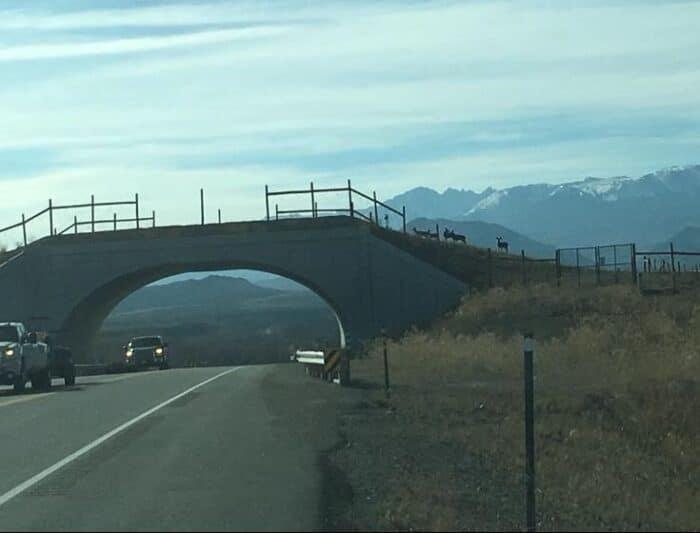
Finland’s wildlife crossings are helping protect both drivers and large wild animals by creating smarter and safer road systems. Finnish officials have introduced technology that alerts motorists when elk or deer are about to cross roads, dramatically reducing collisions during pilot testing near Turku. The project combines sensors, warning signs, and traffic management to improve safety for everyone.
The initiative comes as wildlife-vehicle collisions remain a significant challenge across Finland and many other countries. Authorities say the early results are encouraging, with the pilot location reporting no animal-related crashes during the testing period. As more countries search for practical ways to balance transportation and environmental protection, Finland’s approach is attracting international attention.
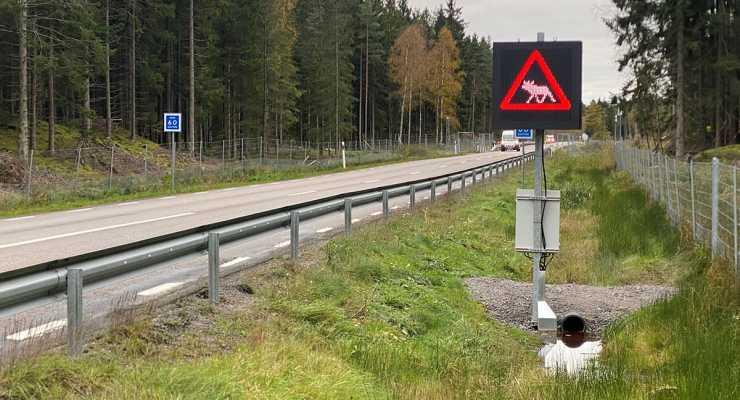
Finland’s New Wildlife Safety System
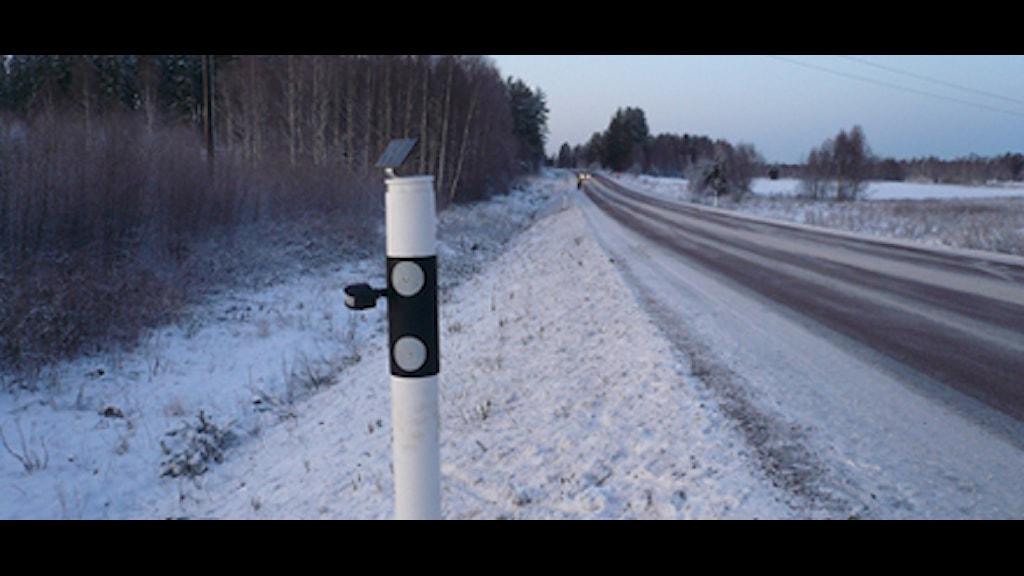
Unlike traditional pedestrian crossings designed for people, Finland’s “pedestrian crossings” for elk and deer rely on intelligent monitoring systems. Sensors detect approaching animals and immediately activate electronic warning signs to notify drivers that wildlife is entering or approaching the roadway.
The technology is installed in areas known for frequent animal movement, particularly where forests are divided by highways. Instead of expecting animals to change their natural migration routes, the system adapts road infrastructure to work with nature. This approach aims to reduce collisions without disrupting wildlife habitats.
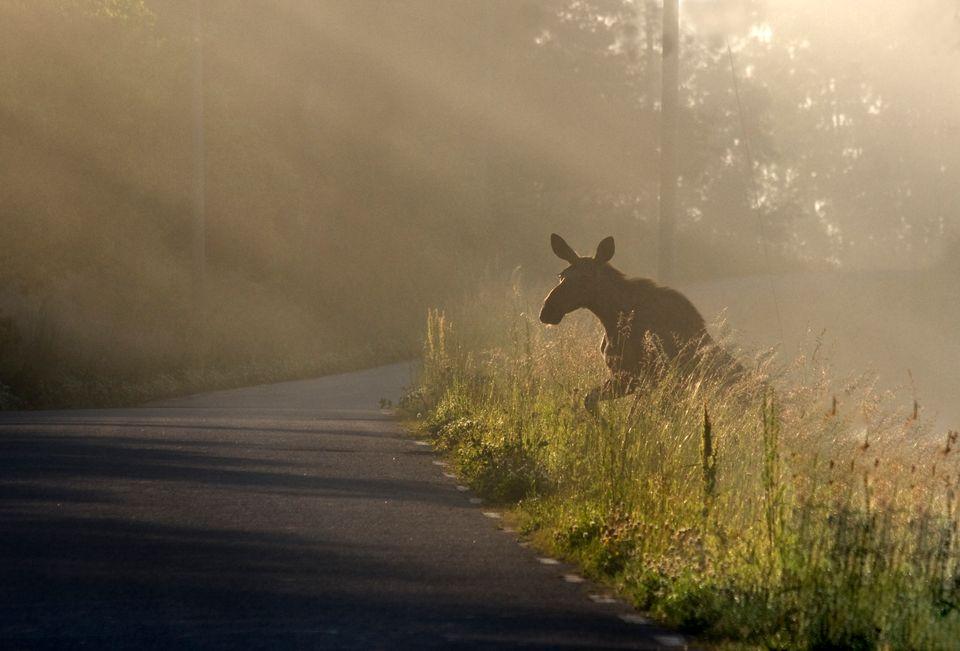
Why Elk and Deer Collisions Are a Serious Problem
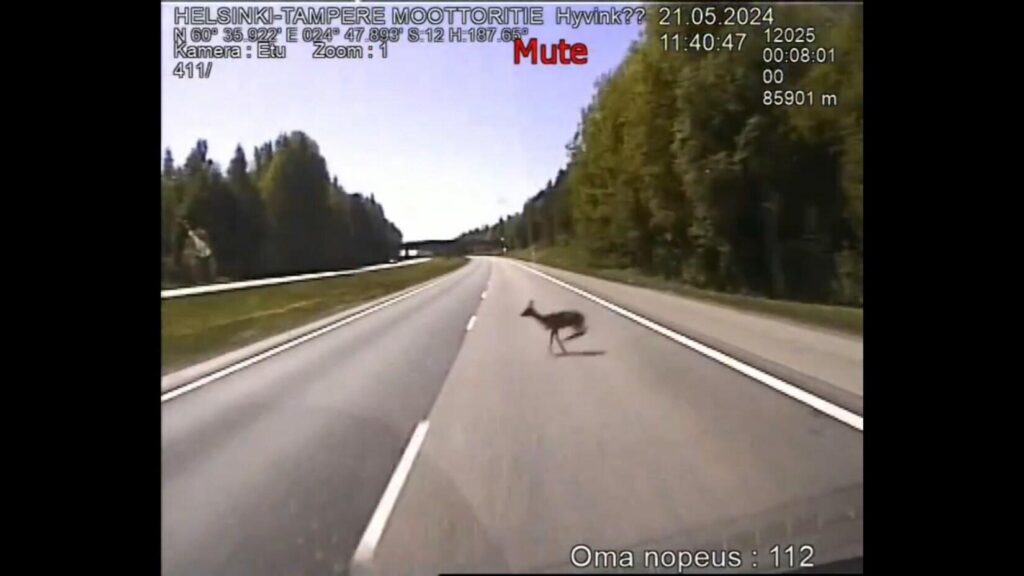
Every year, thousands of wildlife collisions occur across Northern Europe. Finland has one of Europe’s largest populations of moose (often referred to as elk in Finnish English), along with significant numbers of white-tailed deer and roe deer. These animals frequently cross roads while searching for food, water, or seasonal habitats.
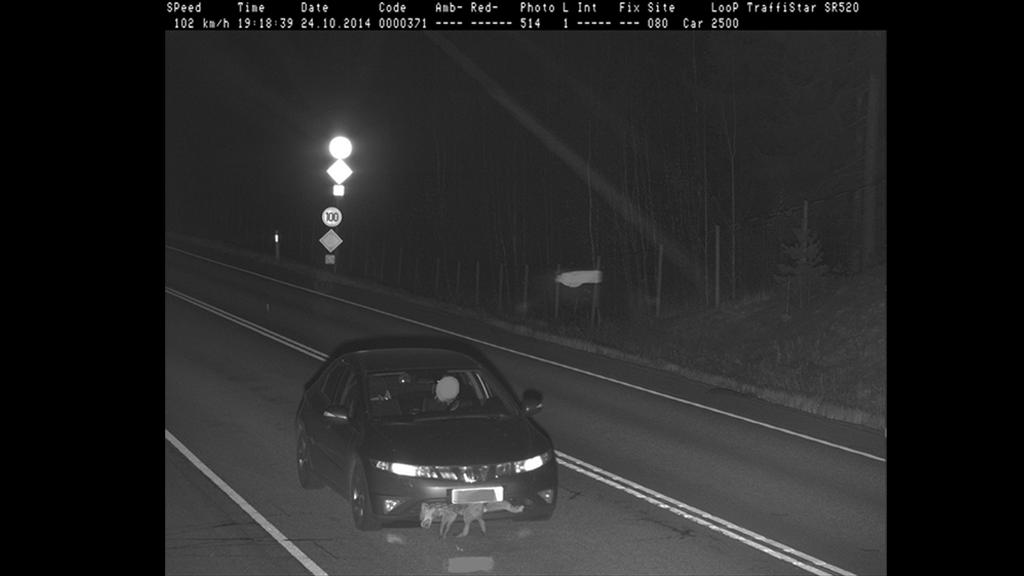
Large-animal crashes can cause severe vehicle damage, serious injuries, and even fatalities. Insurance claims, emergency response costs, and road closures also create significant financial burdens. Experts say preventing collisions benefits both public safety and wildlife conservation while reducing long-term transportation costs.
Pilot Project Shows Promising Results
According to Finnish officials, the pilot installation near Turku produced impressive results. During the testing period, wildlife-related crashes dropped to zero after the warning system was introduced. While additional long-term monitoring is needed, the early findings suggest that real-time driver alerts can significantly improve road safety.
Researchers will continue collecting data on driver behavior, animal movement, weather conditions, and traffic patterns. This information will help determine where similar systems should be installed across Finland and whether the technology can be adapted for other regions with high wildlife activity.
Wildlife Crossings Are Expanding Around the World
Finland is part of a growing international movement to reconnect wildlife habitats safely. Countries including Canada, the United States, the Netherlands, Sweden, and Australia have invested in wildlife overpasses, underpasses, fencing systems, and smart detection technology.
Studies from several countries show that properly designed wildlife crossings can reduce collisions with large animals by more than 80%, while some projects have reported reductions approaching 95% or higher when fencing is combined with dedicated crossing structures. Besides protecting drivers, these crossings allow animals to migrate naturally, find mates, and maintain healthy populations without being isolated by busy highways.
Modern wildlife infrastructure is no longer viewed simply as an environmental project. Transportation planners increasingly recognize that investing in prevention often costs less than repairing vehicles, responding to crashes, and dealing with long-term ecological damage.
Why This Matters Now
Climate change, expanding transportation networks, and growing urban development continue to fragment wildlife habitats around the world. Animals are increasingly forced to cross busy roads as they move between feeding and breeding areas. Without safer infrastructure, collisions are expected to remain a major challenge for both humans and wildlife.
Finland’s successful pilot demonstrates how technology can provide practical solutions that protect people while preserving biodiversity. If additional testing confirms the early results, similar intelligent warning systems could become common in countries where deer, elk, moose, and other large mammals frequently interact with road traffic.
Road safety experts believe future transportation systems will increasingly combine artificial intelligence, environmental monitoring, and smart infrastructure to create safer highways for both motorists and wildlife. Finland’s project offers an early example of how innovation and conservation can work together to solve a long-standing problem.
Key Takeaways
- Finland tested an intelligent wildlife warning system near Turku.
- Sensors detect elk and deer approaching roadways.
- Electronic signs immediately warn drivers.
- Pilot testing reported zero wildlife crashes during the trial period.
- Wildlife crossings improve both road safety and biodiversity conservation.
- Similar projects are expanding across Europe and North America.
Conclusion
Finland’s wildlife crossing initiative represents an innovative approach to one of the most common road safety issues in forested regions. Rather than forcing nature to adapt to highways, the project redesigns transportation systems to work alongside wildlife migration patterns. Early results suggest that combining technology with conservation can save lives, reduce economic losses, and protect valuable ecosystems.
As countries continue investing in smarter infrastructure, Finland’s experience could influence future transportation planning worldwide, offering a practical model for safer roads that benefit both people and nature.
Subscribe to trusted news sites like USnewsSphere.com for continuous updates.