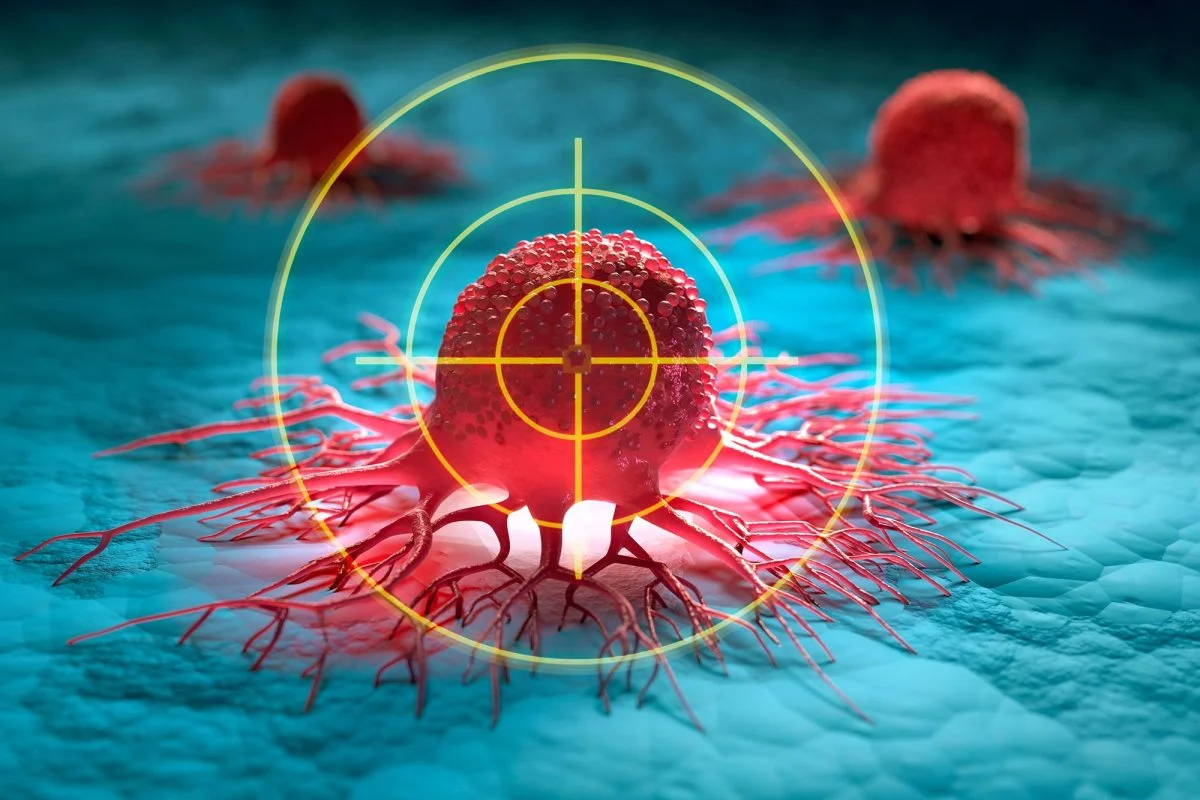
Plant compound forces aggressive breast cancer cells into self-destruction, according to a new scientific discovery that could transform how researchers approach difficult-to-treat cancers. Scientists studying natural compounds from plants have identified a molecule capable of triggering a process inside cancer cells that essentially causes them to destroy themselves.
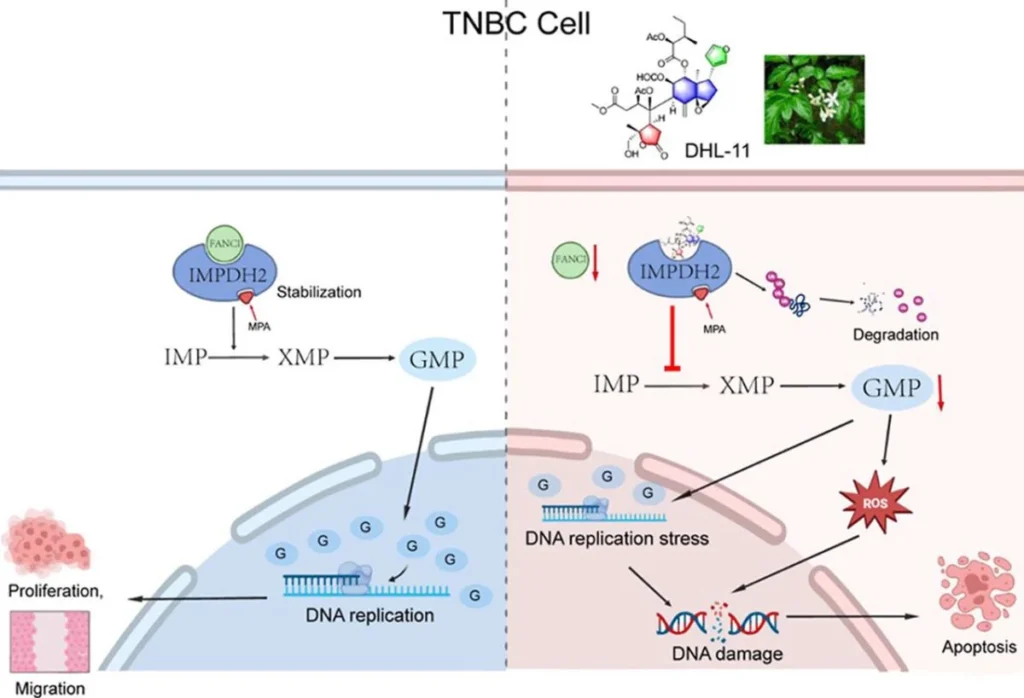
The research focuses on aggressive forms of breast cancer that often resist traditional treatments like chemotherapy or radiation. These types of cancers grow rapidly and spread more easily, making them especially dangerous. Researchers discovered that the plant-derived compound interferes with cancer cell survival mechanisms, pushing them toward programmed cell death — a natural biological process known as apoptosis.
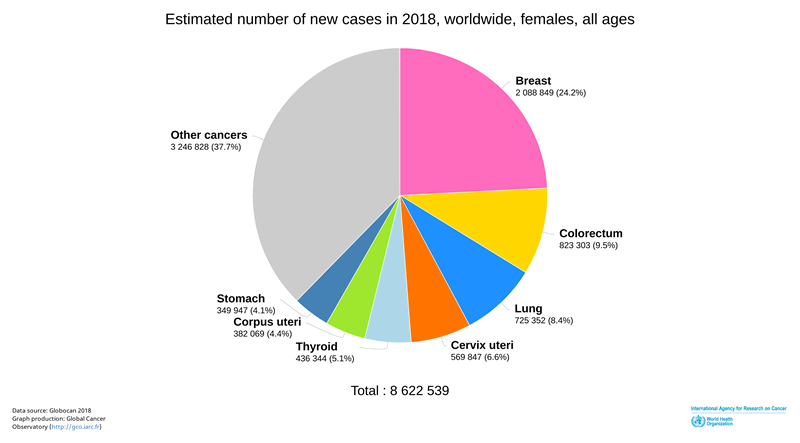
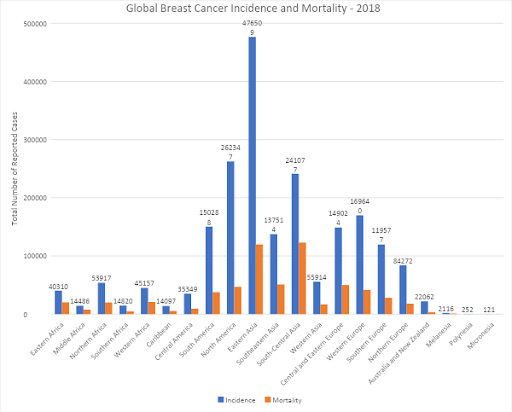
This breakthrough matters now because breast cancer remains one of the most common cancers worldwide. According to the American Cancer Society, more than 300,000 new breast cancer cases are diagnosed each year in the United States alone, and aggressive subtypes are responsible for a large portion of cancer-related deaths. Scientists believe natural compounds could offer safer and more targeted treatment strategies in the future.
Understanding the New Discovery in Breast Cancer Research
Researchers investigating natural plant chemicals found that one particular compound has a powerful impact on aggressive breast cancer cells in laboratory experiments. Instead of simply slowing the growth of cancer cells, the compound activates internal biological signals that cause the cells to collapse and die.
Cancer cells normally survive by manipulating biological systems that control cell growth and death. In healthy cells, damaged cells automatically self-destruct to prevent disease. However, cancer cells disable this safety system, allowing them to grow uncontrollably. The plant compound discovered by researchers appears to reactivate this natural safety mechanism, forcing cancer cells to eliminate themselves.
Laboratory studies showed that when the compound was introduced to aggressive breast cancer cells, several key molecular pathways changed. These pathways regulate how cells handle stress, DNA damage, and survival signals. By disrupting these systems, the compound effectively removed the cancer cells’ ability to continue multiplying.
How the Plant-Based Molecule Triggers Cancer Cell Death
The newly discovered compound appears to target several biological pathways inside cancer cells simultaneously. Scientists observed that it increases oxidative stress within the cancer cells while weakening their ability to repair internal damage. This creates an environment where the cells cannot survive.
One of the key processes activated by the compound is programmed cell death, also known as apoptosis. In this process, the cell breaks down its own internal structures and stops functioning. Apoptosis is one of the body’s most important defenses against cancer because it removes dangerous cells before they spread.
Researchers also found that the compound affects proteins that control cell survival. Some proteins normally act like “bodyguards” for cancer cells, protecting them from damage caused by treatment or environmental stress. The plant molecule appears to disable these protective proteins, leaving the cancer cells vulnerable.
These combined effects make the compound especially interesting to scientists searching for new cancer therapies that are both effective and less toxic than traditional treatments.
Why Natural Plant Compounds Are Important in Cancer Research
Plant-derived compounds have played a major role in medicine for decades. Many widely used cancer drugs originally came from plants. For example, paclitaxel, one of the most important chemotherapy drugs, was originally discovered in the bark of the Pacific yew tree.

Natural compounds are particularly valuable in drug development because plants produce thousands of unique chemicals as part of their own survival strategies. These molecules often interact with biological systems in complex ways, making them promising candidates for medical research.
Scientists studying plant chemistry believe that many potential cancer treatments are still hidden within nature. Advanced laboratory technologies now allow researchers to analyze plant molecules more precisely and understand how they interact with human cells.
In the case of this new discovery, the plant compound demonstrated a strong ability to target aggressive cancer cells without damaging healthy cells in preliminary laboratory studies. If future research confirms these results, it could lead to new treatments that are both effective and safer for patients.
Potential Impact on Future Breast Cancer Treatments
Although the discovery is still in the research phase, the findings could influence the future of cancer treatment. Aggressive breast cancers such as triple-negative breast cancer are particularly difficult to treat because they lack the receptors targeted by many modern therapies.
If scientists can develop medicines based on the plant compound, it may provide a new strategy for treating these difficult cancers. Instead of directly attacking cancer cells with toxic chemicals, future drugs might simply activate the cells’ own self-destruction mechanisms.
Researchers will now move forward with additional experiments to determine whether the compound is safe and effective in animal studies and eventually human clinical trials. Drug development is a long process, often taking many years before a new therapy becomes available to patients.
However, discoveries like this are essential early steps in the development of innovative cancer treatments.
Why This Breakthrough Matters Now
Breast cancer remains one of the leading health challenges globally. According to global cancer statistics, over 2.3 million women are diagnosed with breast cancer each year worldwide. While survival rates have improved due to better screening and treatments, aggressive forms of the disease continue to cause significant mortality.
New approaches that use natural compounds could open the door to treatments that are more targeted and potentially produce fewer side effects than conventional therapies. The ability to trigger cancer cells to self-destruct rather than simply attacking them may represent a major shift in how scientists think about cancer treatment.
This research also highlights the importance of continued investment in biomedical science. Many groundbreaking treatments begin as small discoveries in laboratories studying the chemistry of natural compounds.
As scientists continue exploring plant-based molecules and their interactions with cancer cells, new breakthroughs could reshape cancer therapy in the coming decades.
Subscribe to trusted news sites like USnewsSphere.com for continuous updates.