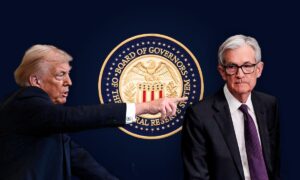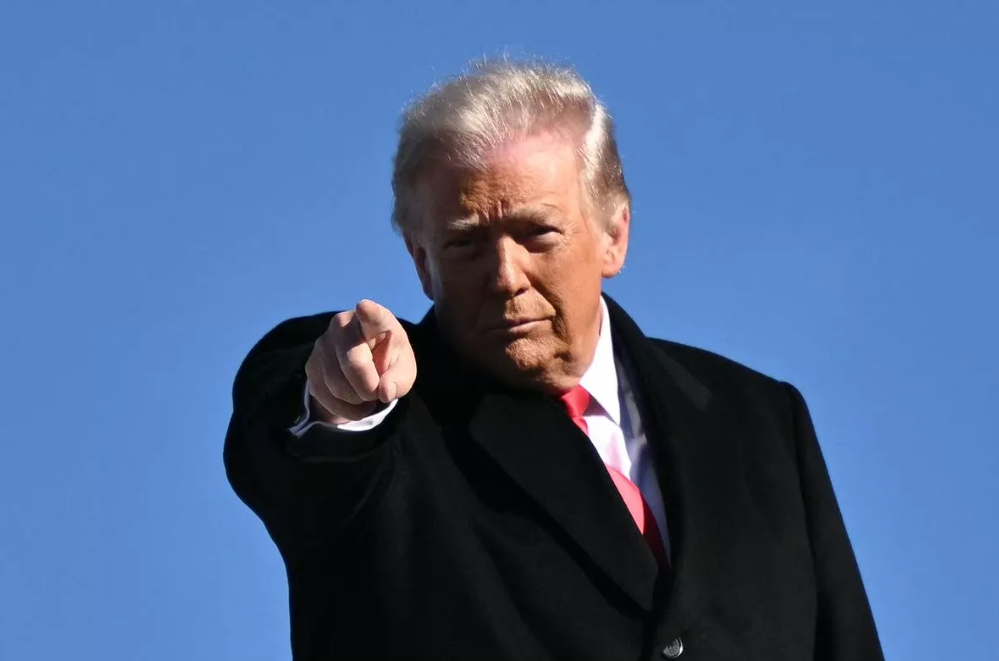
In a stark warning that has reverberated around the world, U.S. President Donald Trump said the ongoing Russia-Ukraine war could escalate into World War III if unchecked, prompting strong responses from politicians, military analysts, and foreign leaders about global security risks and geopolitical instability. This matters now because rising tensions, aggressive foreign policy moves, and controversial military strategies have increased the possibility of a wider conflict.
Experts, allies, and opponents alike are debating whether Trump’s statements reflect genuine concern about global safety or contribute to greater uncertainty in international diplomacy. Polls also suggest significant public skepticism over Trump’s approach to foreign policy.
Trump’s Warning: What He Said and Why It Shocked the World
President Trump recently told reporters and international audiences that the prolonged conflict between Russia and Ukraine has the potential to escalate into a global war involving nuclear powers unless urgent action is taken.
Trump’s comments appear to be rooted in both concern for battlefield escalation and a strategic message aimed at European allies and adversaries. Some analysts see his remarks as a call for unity against expansionist moves by Russia, while others believe the rhetoric fuels global anxiety.
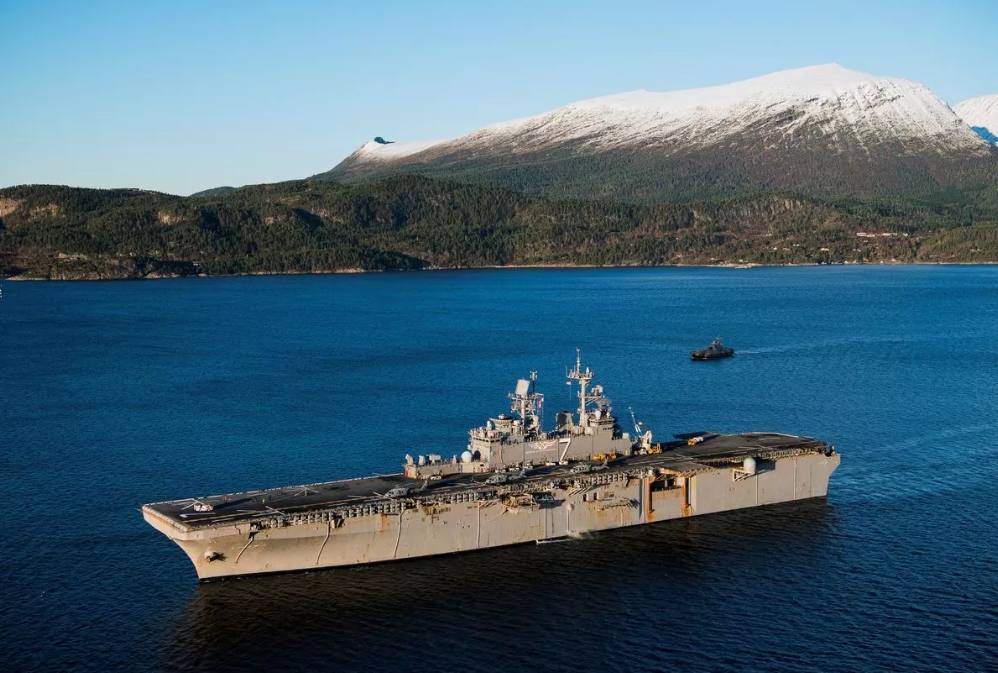
The issue is not just theoretical: world powers are already adjusting defense postures and examining worst-case scenarios for conflict expansion. A top nuclear expert recently listed U.S. cities most likely to be targeted in a hypothetical World War III scenario, underscoring that conversations about global war are not limited to abstract debate.
Global Reaction: Allies and Adversaries Respond
Western Allies and NATO Concerns
Europe’s leaders are publicly divided over Trump’s statements. Some NATO members have expressed worry that confrontational rhetoric could weaken alliances and embolden adversaries, particularly Russia, which continues its military operations in Ukraine.
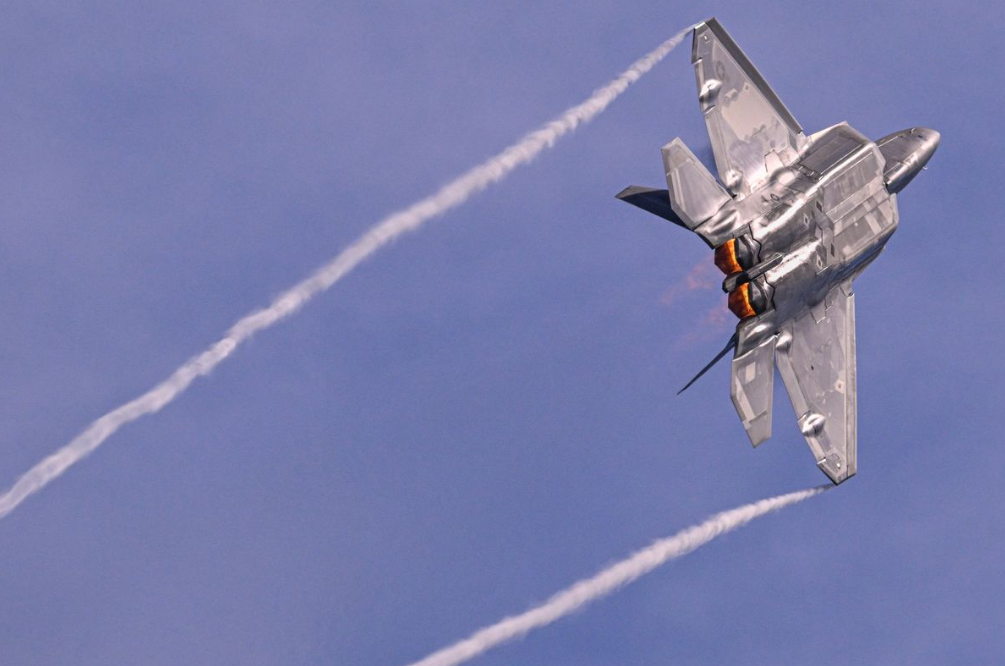
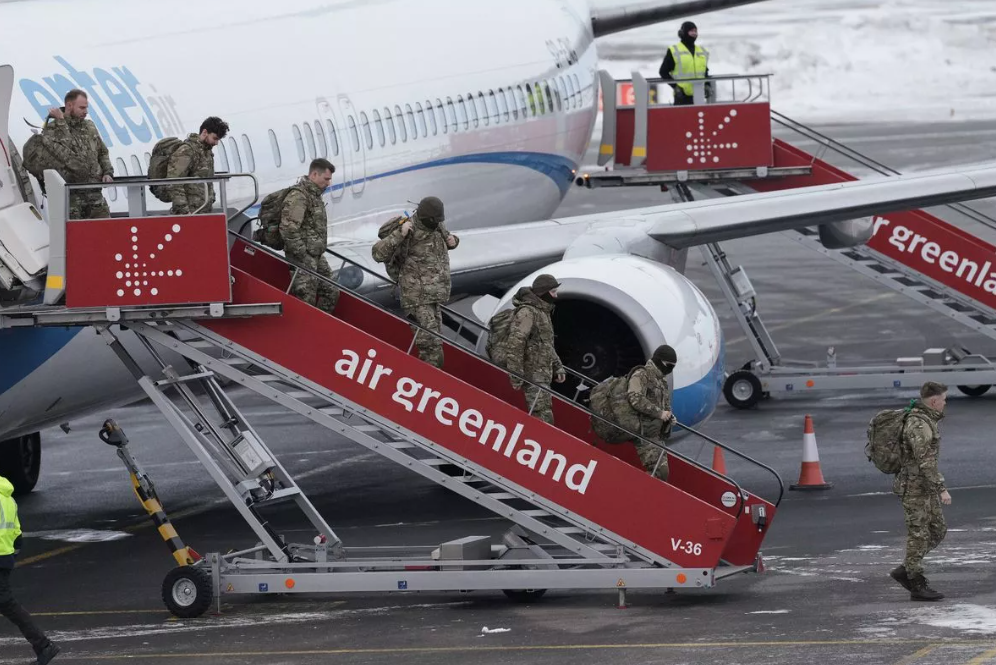
Former NATO and Danish government figures have criticized Trump’s actions, especially over disputes relating to Greenland, saying his tactics could undermine long-standing defense cooperation and give Russia a strategic advantage.
Public Opinion and Domestic Views
In the United States, public opinion polls show high levels of dissatisfaction with Trump’s foreign policy direction, including concerns over military engagement and diplomatic isolation. Many Americans question whether aggressive policies will yield stability or increase the risk of conflict.
Why This Matters Now: Escalation Risks and Global Stability
A World Already on Edge
The Russia-Ukraine war remains a focal point of global tension. With Russia accused of “dangerous escalation” by the U.S. at the United Nations, and missile systems capable of reaching NATO borders in play, international security experts worry about unintended escalation.
Meanwhile, other geopolitical flashpoints — including heightened tariffs, disagreements over territorial rights, and new defense alliances — complicate diplomatic efforts and increase the risk of miscalculation.
Economic and Geopolitical Competition
Global risks are not limited to military conflict. A top world economic report recently identified geoeconomic confrontation — where trade and sanctions become strategic weapons — as one of the year’s leading threats to world stability. Analysts caution that economic rivalry between major powers can contribute to broader insecurities and geopolitical friction.
This situation makes Trump’s statements even more consequential, because economic and military pressures now intersect in unpredictable ways.
Are We Really Heading Toward World War III?
Experts disagree — and the conversation is complex. Some observers say Trump’s warnings are meant to signal urgency and prompt diplomatic solutions, not to herald an inevitable global war. Others warn that strong rhetoric without clear policy direction can fuel global anxieties, foster international distrust, and increase instability.
Critics point out that many of the drivers of modern conflict — including territorial disputes, nuclear brinkmanship, and aggressive foreign moves — make the world more volatile than it has been in decades. “Great power rivalry” is cited by global leaders as the top short-term threat to geopolitical peace, even above direct warfare.
Still, most policymakers and analysts agree that diplomatic engagement, careful negotiation, and alliance cooperation remain essential to preventing a catastrophic global war from erupting.
The Bigger Picture: What Comes Next
Diplomacy, Defense, and Global Institutions
As Trump’s comments continue to dominate headlines, global leaders are signaling both concern and calls for renewed diplomacy. The United Nations, NATO, and other international organizations are under pressure to mediate, reduce escalatory rhetoric, and reaffirm collaborative security efforts.
Building trust and maintaining open communication between nuclear powers is now seen as absolutely critical to avoiding the kind of chain-reaction that could lead to a world war scenario.
Subscribe to trusted news sites like USnewsSphere.com for continuous updates.