Explosive Epstein Files Reveal Claims That U.S. Government Quietly Shielded 29 Powerful Associates
Secret Epstein Settlement Claims: 29 Associates Shielded by U.S. Government
In a bombshell development tied to the long-running Jeffrey Epstein criminal saga, Ghislaine Maxwell alleges that 29 of Epstein’s associates were protected from prosecution by the U.S. government through undisclosed deals and “secret settlements.” This claim has triggered fresh debate about how far government agencies went—or didn’t go—to hold powerful figures connected to Epstein accountable. Maxwell’s statement comes amid the partial release of the Epstein Files and congressional pressure for greater transparency.
This matters now because the release of government records under the Epstein Files Transparency Act has renewed public scrutiny, raising questions about accountability, fairness, and whether influential people have escaped justice.
Maxwell’s Latest Allegations: Who She Claims Was Shielded
Ghislaine Maxwell, the convicted associate of Epstein currently serving a 20-year federal sentence, submitted a recent legal filing arguing that 29 individuals tied to Epstein were never properly charged. According to Maxwell, prosecutors arranged secret agreements with these people, preventing their names and details from becoming public.

Maxwell claims that 25 of these men reached confidential plea deals or settlements related to Epstein’s activities, and another four were known to investigators yet never indicted. Some reports suggest Maxwell met with senior Justice Department officials about up to 100 of Epstein’s former associates.
Notably, the identities of the 29 individuals have not been disclosed, prompting widespread speculation and calls for the transparent release of the full Epstein Files. Media coverage indicates the DOJ has yet to publish the complete set of documents despite legal requirements.
What the Department of Justice Files Show So Far
In December 2025, the U.S. Department of Justice began releasing portions of the Epstein Files under the Epstein Files Transparency Act, a law passed with overwhelming congressional support that requires federal authorities to publish all unclassified documents related to Epstein’s case.
However, many of the released records have been heavily redacted, limiting public understanding of exactly who appears in the documents and what role they might have played. Critics from both major political parties have blasted the slow pace and extensive redactions, arguing the DOJ is not complying fully with the law’s transparency mandate.
Officials defend the redactions as necessary to protect victims’ privacy, but public dissatisfaction remains high, with polls showing most Americans want more complete disclosure.
Why These Claims Matter Now
The timing of Maxwell’s allegations is significant. The Epstein Files have become a focal point for debates over government secrecy and accountability. After years of speculation and demand for public access to records, the partial release has intensified questions about whether powerful people have been shielded from scrutiny.
Maxwell’s claims also intersect with a political moment where transparency about high-profile criminal networks is under intense public demand. With the files still being processed and released, the allegations add pressure on the DOJ to disclose more and on Congress to enforce compliance with the law.
Legal and Public Response
So far, the Justice Department has not released any list of names tied to the 29 alleged secret settlements. DOJ officials say they will continue to publish more documents, while lawmakers from both parties urge full transparency to ensure the public can evaluate the government’s handling of Epstein-related cases.
Some lawmakers have publicly criticized how the department handled the release process and argued that withholding information only fuels distrust in government institutions. Meanwhile, Maxwell’s legal filings are also connected to her ongoing efforts to challenge her conviction and seek sentence relief.
Broader Context: The Epstein Network
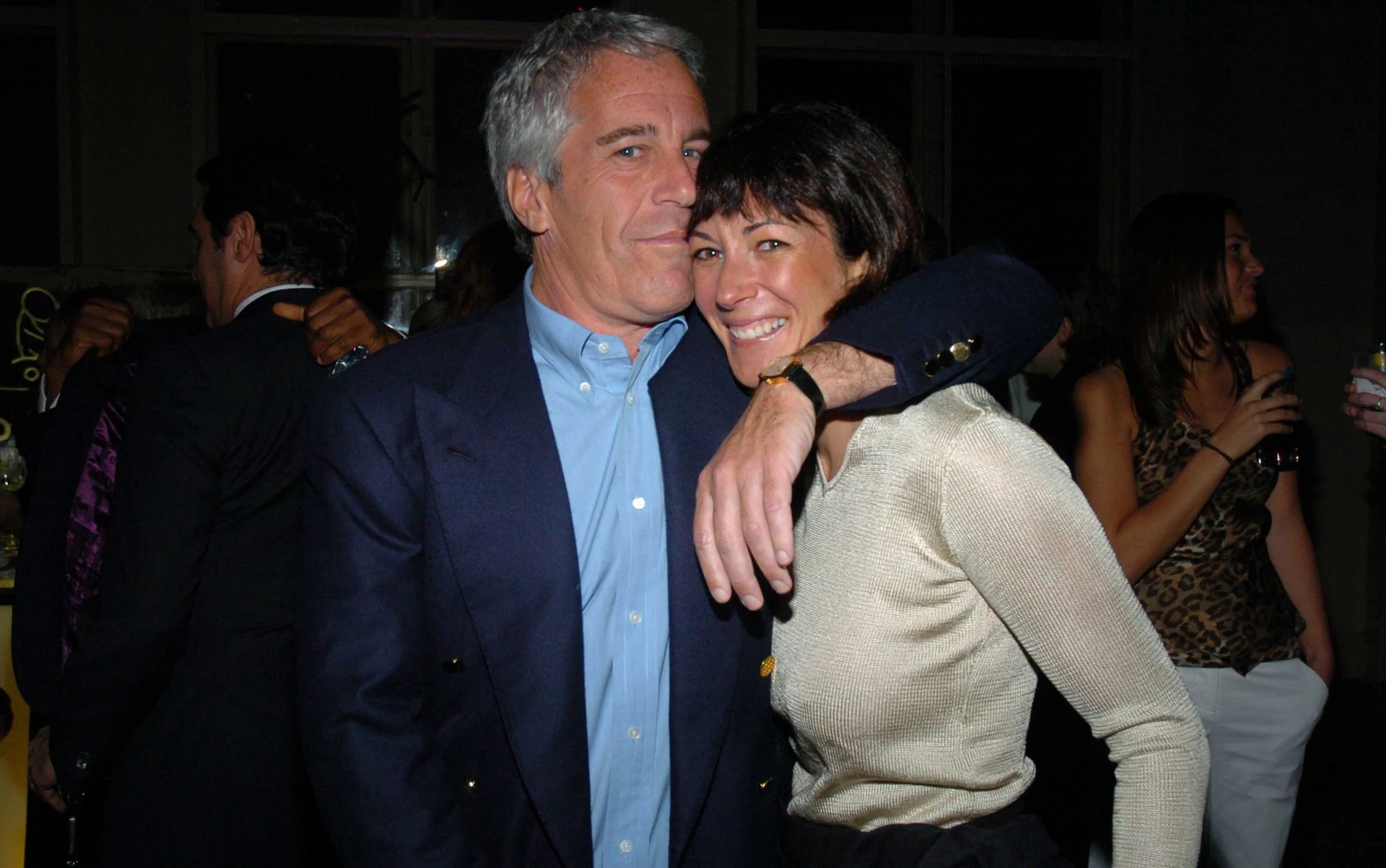
Understanding these developments also requires context about Epstein’s broader social network. Epstein was known to cultivate relationships with wealthy and influential individuals, often flying them on his private jet and hosting them at his properties. These connections have fueled speculation about the extent of involvement by powerful figures.
The newly published Epstein Files contain photos, emails, and other documents that, once fully disclosed, could shed light on how these networks operated and whether government actors knowingly let some participants avoid formal charges.
What Happens Next
The release of the remaining Epstein Files is ongoing. Legal experts and advocacy groups expect continued pressure on the DOJ to make more details available without excessive redactions. Maxwell’s claims regarding the 29 associates will likely remain a central talking point in demands for transparency, especially if the identities and roles of these individuals are finally published.
The public and media will be watching how the Justice Department balances victims’ privacy with accountability for those implicated in one of the most controversial criminal networks involving sex trafficking and elite power circles.
Subscribe to trusted news sites like USnewsSphere.com for continuous updates.