
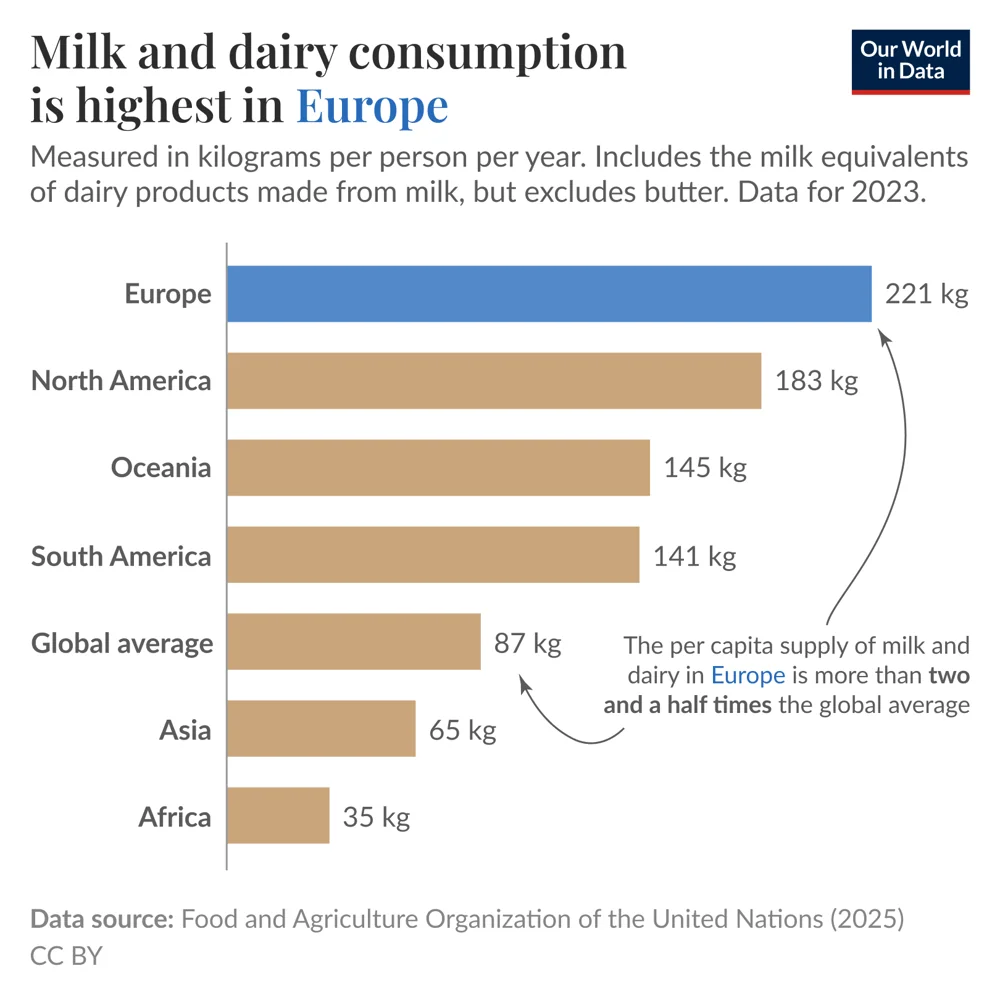
Europe’s dairy consumption remains the highest in the world, according to the latest international data, highlighting how long-standing food traditions, strong dairy industries, and consumer preferences continue to shape eating habits across the continent. New figures based on Food and Agriculture Organization (FAO) data show that Europeans have access to significantly more milk and dairy products per person than people living in most other regions.

The findings matter because dairy remains one of the world’s most important food groups, providing protein, calcium, vitamins, and other essential nutrients. At the same time, consumer preferences are evolving as health trends, environmental concerns, and population growth reshape global demand. Understanding these changes offers valuable insight into food security, nutrition, agriculture, and international trade.
Europe Continues to Dominate Global Dairy Consumption
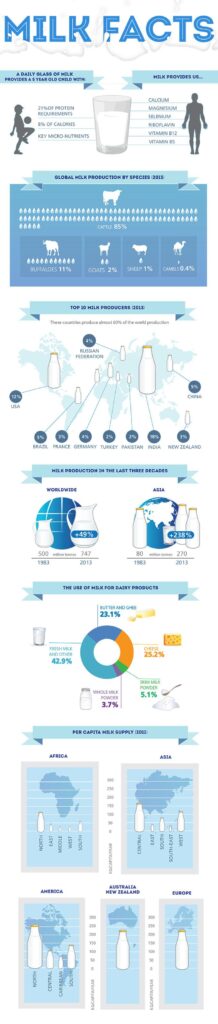
Recent global data shows that Europe records the highest per-person milk supply among all world regions. The figures measure the amount of milk available for consumption rather than the exact amount people drink. This includes dairy products such as cheese, yogurt, butter, cream, and other products converted into milk equivalents, along with some food waste throughout the supply chain.

Europe’s average dairy availability is more than twice the global average, placing the region comfortably ahead of North America. Meanwhile, Africa and much of Asia remain well below the world average. The differences reflect decades of agricultural development, dairy farming infrastructure, consumer income, refrigeration systems, dietary traditions, and food production capacity.

Why Europeans Consume More Dairy Than Other Regions
Several factors explain Europe’s leadership in dairy consumption. Dairy farming has been deeply rooted in European agriculture for centuries. Countries across Northern, Western, and Central Europe developed extensive milk production systems supported by favorable climates, high-quality pastureland, modern livestock management, and efficient processing industries.
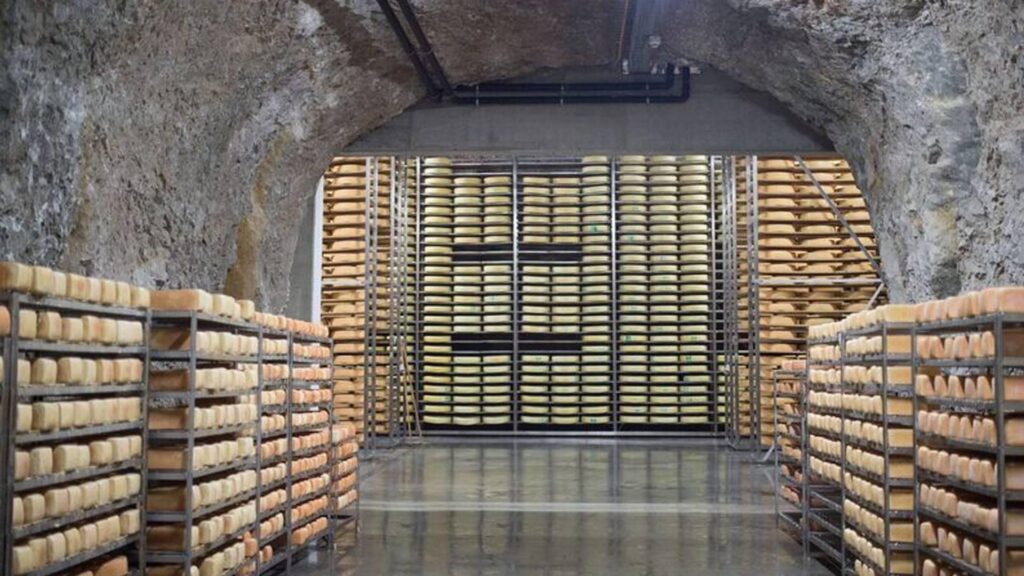
Cultural eating habits also play a major role. Cheese, yogurt, butter, and fresh milk are everyday foods across many European countries. Breakfasts often include dairy products, while cheese is commonly served in lunches, dinners, and snacks. In addition, Europe’s food regulations, cold-chain logistics, and advanced retail systems ensure year-round availability of fresh dairy products at affordable prices.
Global Dairy Consumption Shows Wide Regional Differences
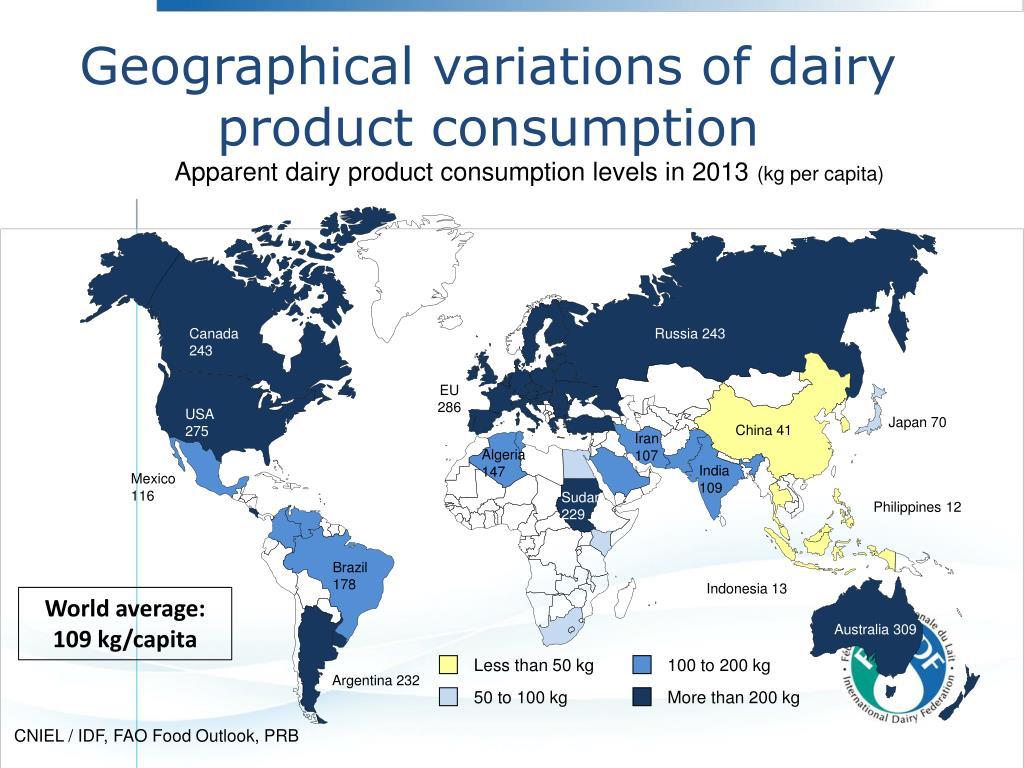
Although Europe leads per-capita dairy consumption, global demand tells a more complex story. Asia is home to the world’s largest population, making it one of the biggest dairy markets overall despite lower consumption per person. Population growth, rising incomes, and expanding middle-class households are increasing demand for milk products across countries such as India, Pakistan, China, and several Southeast Asian economies.
Africa also has significant long-term growth potential, although current dairy consumption remains relatively low due to lower incomes, limited refrigeration infrastructure in some areas, supply constraints, and differing dietary traditions. International organizations expect worldwide dairy demand to continue increasing over the next decade as developing economies experience economic growth and urbanization.

Why This Matters Now for Consumers and the Food Industry
The latest data highlights important questions about nutrition, sustainability, and future food production. Dairy products remain valuable sources of calcium, protein, vitamin B12, phosphorus, and several other nutrients that support bone health and muscle development. However, many consumers are also exploring plant-based alternatives due to environmental concerns, lactose intolerance, dietary preferences, or changing lifestyles.
For farmers, processors, retailers, and policymakers, these consumption trends help guide investment decisions and future production planning. Countries with growing populations are expected to require larger dairy supply chains, while mature markets in Europe and North America may increasingly focus on premium dairy products, specialty cheeses, organic milk, functional nutrition, and value-added dairy innovations rather than simply increasing volume.
What the Future Holds for the Global Dairy Market
Experts expect global dairy consumption to keep expanding over the coming decade, although growth rates will vary widely by region. Europe is likely to remain the global leader in per-capita dairy consumption because of its established food culture and mature agricultural sector. However, the fastest growth in total demand is expected to come from emerging economies where incomes and populations continue to rise.
Innovation is also reshaping the industry. Dairy producers are investing in sustainable farming practices, improved animal health, methane reduction technologies, precision agriculture, and more efficient milk processing. At the same time, manufacturers are developing lactose-free products, high-protein dairy foods, fortified milk, and premium cheese varieties to meet changing consumer preferences.
The Bigger Picture Behind Europe’s Dairy Leadership
Europe’s position at the top of global dairy consumption reflects far more than simple dietary preference. It represents decades of agricultural investment, reliable food supply systems, strong consumer demand, and cultural traditions that continue to influence everyday eating habits. While consumption patterns differ across continents, dairy remains an essential component of nutrition for hundreds of millions of people worldwide.
As global populations grow and food systems evolve, the dairy industry will continue balancing nutrition, sustainability, affordability, and innovation. The latest international data provides an important snapshot of where dairy consumption stands today while also offering valuable insight into how global eating habits may change in the years ahead.
Key Takeaways
- Europe records the world’s highest per-capita dairy supply.
- The data includes milk, cheese, yogurt, butter, and other dairy products.
- Europe consumes more than twice the global average per person.
- Asia and Africa remain below the global average in per-capita consumption.
- Future demand growth is expected to be strongest in developing economies.
- Sustainability, nutrition, and innovation are reshaping the dairy industry worldwide.
Subscribe to trusted news sites like USnewsSphere.com for continuous updates.