
Alcohol intake and heart failure risk have become a major concern for public health, as a new large-scale study shows that how much you drink can significantly influence your chances of developing heart failure later in life. Heart failure affects millions of Americans and remains one of the leading causes of hospitalization and early death, yet scientists have struggled to clearly define how alcohol consumption interacts with this serious condition.
The latest research — involving hundreds of thousands of U.S. veterans — finds a complex “J-shaped” relationship: light to moderate drinking may show some association with lower risk, but heavy drinking clearly increases heart failure danger. These results offer fresh evidence that informs public health advice and individual choices about alcohol consumption.

Understanding whether alcohol protects or harms heart health is vital right now because average drinking patterns are shifting, and cardiovascular disease rates remain stubbornly high. With new federal guidelines increasingly warning against regular alcohol use and research trending toward lower consumption recommendations, this study adds critical data to the conversation.
What the New Study Found
The MDPI study, published in Nutrients, analyzed data from a very large group of U.S. veterans to see how daily alcohol intake relates to the risk of developing heart failure and its common subtypes, including heart failure with reduced and preserved ejection fraction. Researchers found that compared with abstainers, people with light to moderate alcohol consumption showed the lowest hazard ratios for heart failure — a so-called “J-shaped” curve, where moderate consumption is linked to a slightly lower risk, but risk increases again at higher intake levels.
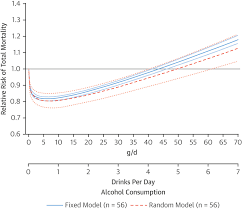
Importantly, when drinking exceeded moderate levels — especially more than the equivalent of 3–4 drinks per day — the study found a significantly higher risk of heart failure with reduced ejection fraction, which is a form of heart failure associated with worse outcomes. These results suggest that there is no “safe” high level of drinking for protecting heart health.
How Researchers Measured Risk
To reach these conclusions, investigators controlled for a wide range of factors — from age and sex to body mass index, diabetes, smoking, and exercise habits — to isolate the influence of alcohol itself on heart failure risk. They also assessed different patterns of drinking rather than just total lifetime consumption, which helps explain why some previous research produced mixed results.
Interestingly, the study did not find that the type of alcoholic beverage (beer, wine, liquor) significantly changed the association between alcohol intake and heart failure risk. That means the potential effect on heart health seems to be driven by total ethanol intake, not whether someone prefers red wine or another drink.
What This Means for the Public
While past studies sometimes suggested moderate drinking might be good for the heart, the most rigorous evidence today — including this large analysis — points toward caution. Light, infrequent drinking may coincide with lower heart failure risk compared to complete abstainers, likely due to correlations with healthier lifestyles and social factors; however, beyond just a couple of drinks per day, the cardiovascular risk starts rising quickly.

This aligns with current cardiovascular guidance: a drink here, and there should not be seen as a “protective” habit, and heavy drinking is clearly linked to increased cardiovascular strain, arrhythmias, and other harms that can worsen heart function over time.
Why This Matters Now
Heart failure affects an estimated 6 million Americans and continues to rise as the population ages. Common risk factors — including high blood pressure, obesity, and diabetes — are also on the rise, making it more important than ever to understand lifestyle influences like alcohol consumption on heart outcomes. New dietary guidelines and public health campaigns are increasingly emphasizing reduced alcohol intake for better heart and overall health, reflecting a broader shift in scientific consensus based on evidence like that from this new study.
Public awareness of the subtleties — that light drinking is not equivalent to heavy drinking in its health effects, and that no level of alcohol is truly “beneficial” for everyone — could help individuals make more informed choices about their habits. Whether someone drinks socially, regularly, or not at all, knowing how alcohol impacts long-term heart function empowers better health decisions.
Expert Insights and Future Research
Cardiologists and public health experts emphasize that these findings should be interpreted in context. Some people with light consumption may appear healthier because they also follow other positive lifestyle habits like regular exercise and balanced diets. That means alcohol itself might not be the sole cause of lower risk in moderate drinkers; it could reflect broader lifestyle patterns that doctors associate with lower cardiovascular risk.
Future research will continue to explore how individual differences — such as genetics, sex, age, and drinking patterns — influence the relationship between alcohol and heart health. For example, many studies have shown that women may be more vulnerable to alcohol’s harmful cardiovascular effects at lower consumption levels than men, highlighting the need for personalized guidance.
Subscribe to trusted news sites like USnewsSphere.com for continuous updates.