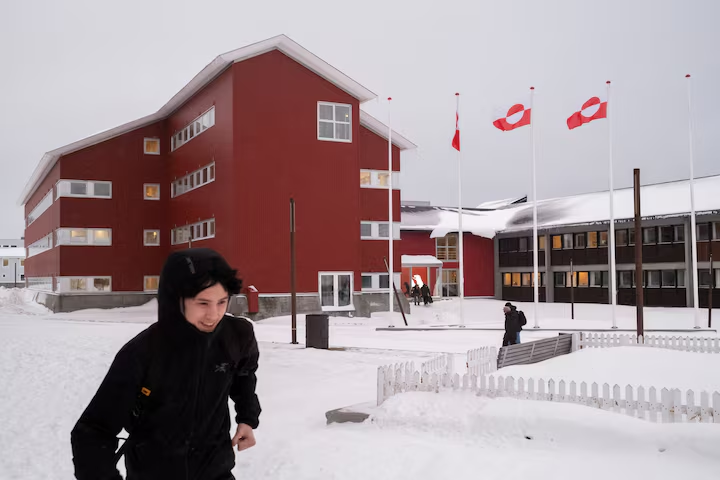
Former U.S. President Donald Trump’s renewed push to assert American influence over Greenland has reignited one of the most consequential geopolitical flashpoints in the Arctic, rattling European allies, Indigenous leaders, and global security strategists. Greenland’s Prime Minister Jens-Frederik Nielsen has publicly warned that Washington still seeks political control over the Arctic island, even after Trump’s administration says it has ruled out using military force to annex the territory.
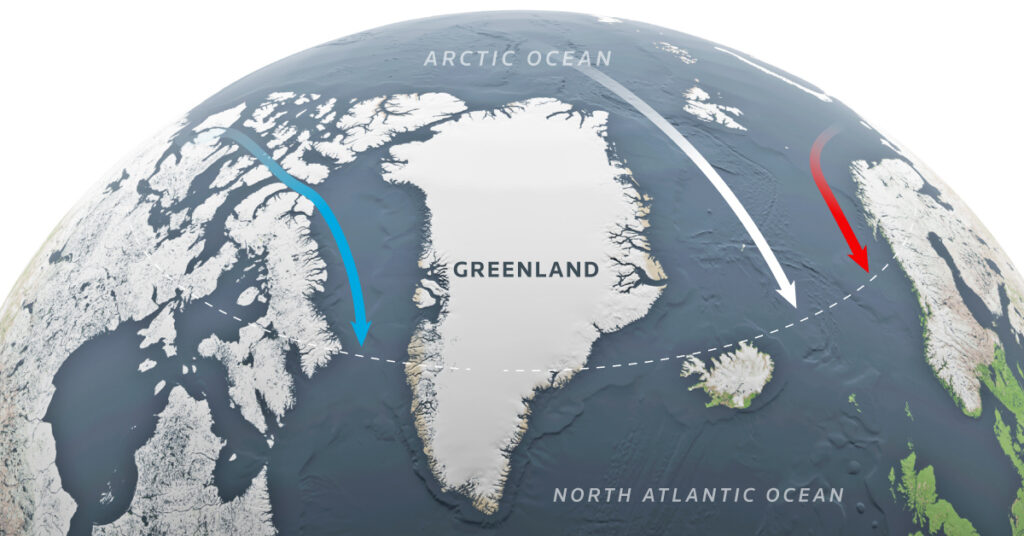
This development matters now because Greenland sits on the front lines of Arctic geopolitics — a region where climate change, natural resources, and military strategy intersect. What might have once been a remote diplomatic dispute has quickly become a litmus test for alliance cohesion between the United States, NATO partners, and Arctic states.
Greenland’s Autonomy and Trump’s Security Justification
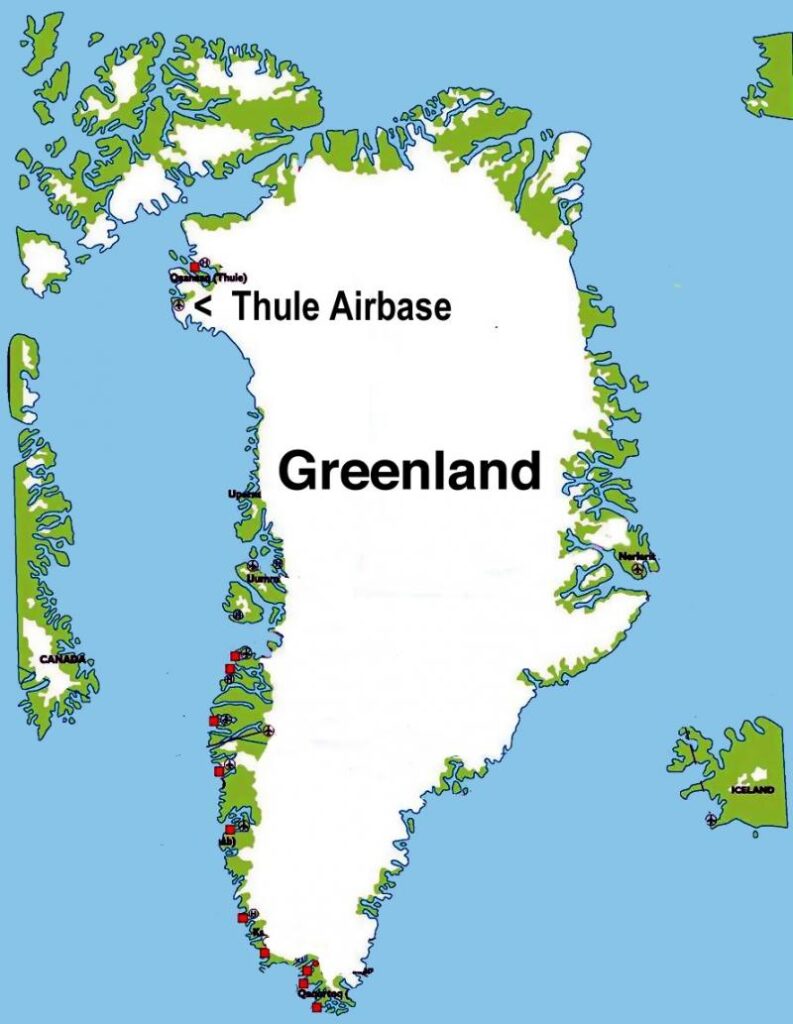
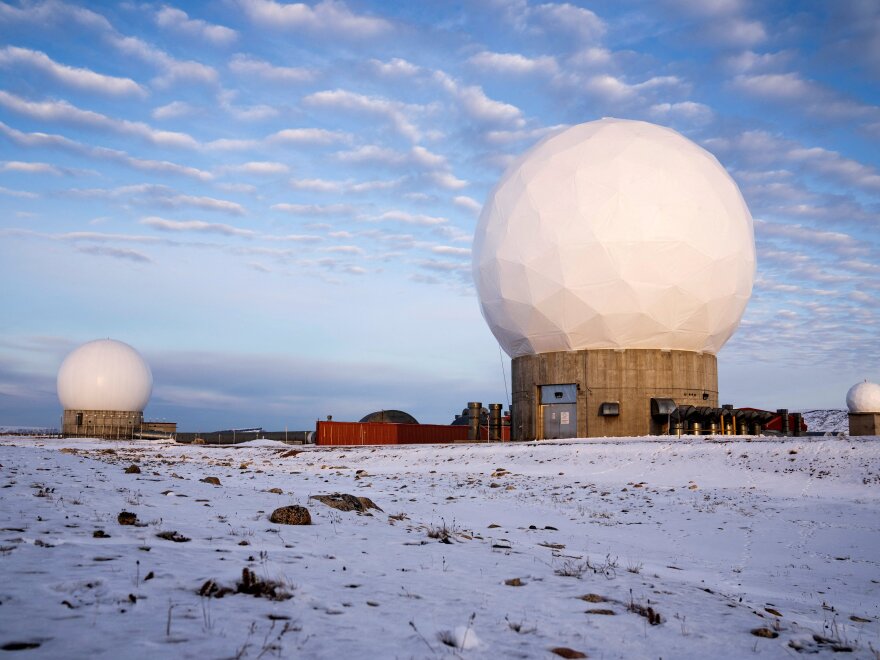
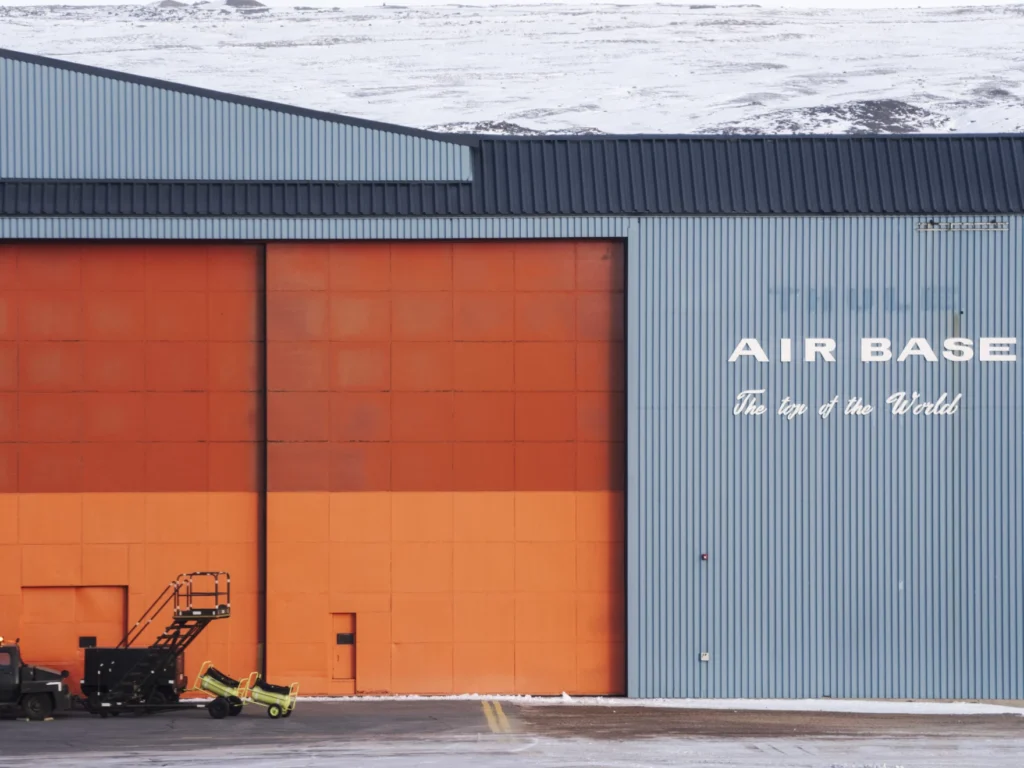
Greenland is a self-governing territory of Denmark with substantial authority over its internal affairs, though foreign policy and defense traditionally remain under Danish control. The United States has maintained a military presence on the island for decades, primarily at Thule Air Base, which plays a key role in missile warning systems and Arctic defense strategies.
Trump has repeatedly justified his interest in Greenland on national security grounds, arguing that its location between North America and Europe is critical for defense against Russia and China. Trump’s supporters within U.S. defense circles say increased American influence in Greenland could enhance early warning systems and execution of Arctic defense operations.
Despite these stated security goals, Greenlandic and Danish leaders assert that any discussion of American control — even framed as security cooperation — crosses a red line. Nielsen has condemned such ambitions as “completely unacceptable” and emphasized that Greenlanders want to determine their future without pressure from outside powers.
Diplomatic Strains With Denmark and NATO Allies
The renewed debate over Greenland has strained relations not just between the United States and Denmark, but across NATO and the European Union. Denmark’s Prime Minister Mette Frederiksen has stood firmly against any effort that could undermine Danish sovereignty, warning that altering control of Greenland under coercive terms could fracture the transatlantic alliance.
In response to Trump’s rhetoric, Denmark has bolstered its own military presence in Greenland, coordinating with European allies that fear the dispute could embolden Russia’s northern ambitions. French President Emmanuel Macron has stressed that “borders cannot be changed by force,” signaling Europe’s readiness to support Denmark’s sovereign rights.
Diplomatic talks between the United States, Denmark, and Greenland have already begun in an attempt to defuse tensions. These discussions focus on addressing shared security concerns while respecting Greenlandic autonomy and Danish sovereignty — a balance deeply important to both European leaders and NATO officials.
Why Greenland’s Strategic Importance Has Skyrocketed
Greenland is no longer a distant Arctic outpost; it has become a strategic geopolitical pivot for great power competition. Several key factors explain its elevated importance:
- Proximity to key air and sea routes: As the Arctic ice melts, new shipping lanes and military passages are opening, making Greenland a valuable platform for both defense and commercial navigation.
- Defense infrastructure: Greenland hosts U.S. and allied early-warning radar stations and air defense capabilities that are crucial for monitoring potential missile threats from Russia.
- Critical minerals and rare earths: The island sits atop vast deposits of minerals essential to high-tech industries, renewable energy, and defense sectors. These rare earths are central to reducing global reliance on China’s material supply chains.
Given these advantages, Washington argues that increased engagement — even if not outright control — is vital for U.S. security and economic interests. However, this logic has not tempered global concern over coercive tactics or unilateral ambitions.
Indigenous Voices and Community Backlash
Beyond state diplomacy, Indigenous communities across the Arctic — particularly the Inuit populations of Greenland and neighboring regions — have voiced deep alarm over the resurgence of territorial pressure from the United States. For many, the rhetoric recalls centuries of colonial exploitation and raises urgent questions about Indigenous rights, self-determination, and respect for traditional governance.
Leaders from Inuit organizations in Canada and Alaska have condemned the geopolitical maneuvering, calling for broader international recognition of Indigenous stewardship and autonomy in the Arctic. The debate over Greenland’s future is no longer merely a matter of statecraft — it has become a cultural and ethical issue tied to historical justice.
Europe’s Strategic Recalibration
Across Europe, policymakers see the Greenland dispute as a wake-up call for greater strategic autonomy. Dutch political leaders have highlighted Trump’s ambitions as a prompt for the EU and its member states to invest more deeply in their own defense and Arctic strategies, rather than relying on U.S. leadership alone.
Similarly, Lithuanian officials have proposed joint security agreements that could help de-escalate tensions while ensuring the Arctic remains secure without undermining Danish sovereignty.
This reflects a broader shift in European thinking: while transatlantic bonds remain strong, there is increasing appetite for European capacity to act independently in safeguarding regional interests — especially when U.S. policy appears unpredictable.
Subscribe to trusted news sites like USnewsSphere.com for continuous updates.