In a major diplomatic rebuke, Spain has publicly refused to join U.S. President Donald Trump’s newly created “Board of Peace” initiative, designed to mediate international conflicts, including the Gaza situation, saying it conflicts with international law and support for the United Nations (UN). The Spanish government’s decision comes as several traditional U.S. allies cool on the proposal, highlighting growing global skepticism about the initiative’s legitimacy and scope. Why this matters now: This signals a significant rift between the U.S. and key European nations on how international peace and reconstruction should be pursued, with potential implications for U.N. authority and Western alliances.
What Spain’s Decision Means for Trump’s Peace Initiative
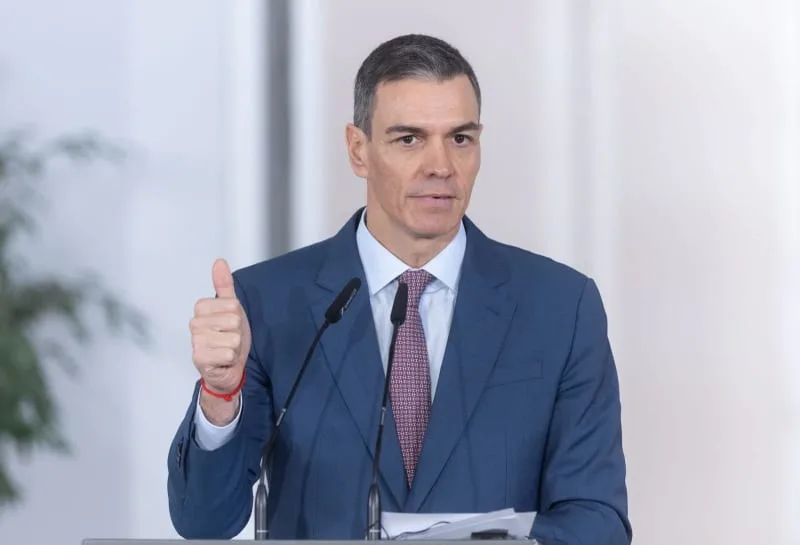
Spain’s Prime Minister Pedro Sánchez confirmed that Madrid will not participate in the Board of Peace initiative that was launched by President Trump at the World Economic Forum in Davos, Switzerland. Sánchez emphasized that the decision is rooted in Spain’s commitment to the multilateral system and the United Nations, asserting that the Board, as currently structured, does not align with international law or Spain’s diplomatic principles.
Unlike Spain, a handful of countries, such as Hungary and Bulgaria, have agreed to join the Board, but the most influential Western allies like Canada, the United Kingdom, France, and Sweden have either declined invitations or remain non-committal.
The Board of Peace: Ambition Meets Opposition
Trump introduced the Board of Peace as a central part of his foreign policy strategy, pitching it as a new diplomatic tool to oversee ceasefires, monitor security arrangements, and coordinate rebuilding in conflict zones, especially in Gaza. Supporters in Washington argue it could streamline international peace efforts and bypass what they see as bureaucratic delays within the UN.
However, critics — including Spain — argue that the initiative appears to undermine established global institutions and lacks clarity on its authority and long-term objectives. The absence of the Palestinian Authority from the Board’s framework was also cited by Spain as problematic, suggesting the design may not be inclusive enough to achieve lasting peace.
Why European Allies Are Hesitant
Europe’s hesitation stems from several core concerns:
- Multilateral Principles: EU leaders emphasize that any peace mechanism must be deeply rooted in international law and coordinated with the United Nations and other global institutions.
- Diplomatic Unity: Spain has reportedly been seeking a common EU position before committing to the Board, aiming to present a unified European approach rather than acting unilaterally.
- Political Tension at Home: In Spain, coalition partners and various political factions have expressed reservations about participating in a U.S. initiative that they believe could diminish EU and UN influence.
These concerns reflect broader strategic caution among European capitals, where diplomatic leaders are wary of a peace architecture seen as overly centralized and anchored around U.S. leadership alone.
Global Responses and Strategic Implications
While Spain and several Western allies stay on the sidelines, Middle Eastern and other nations have shown more interest. Countries such as Saudi Arabia, Qatar, Egypt, Turkey, and the United Arab Emirates have publicly committed to joining the Board of Peace, indicating regional support for the initiative’s framework.
The contrasting reactions have broader implications:
- Transatlantic Relations: Spain’s refusal is seen as part of a larger recalibration of transatlantic diplomacy in response to evolving U.S. foreign policy priorities.
- United Nations Authority: The debate highlights ongoing tensions over whether the UN remains the preferred global platform for peace processes or whether new structures will emerge.
- Geopolitical Balance: With some influential nations supporting the Board and others rejecting it, the initiative’s future effectiveness and legitimacy remain uncertain.
Understanding the Risks and Opportunities
Spain’s stance illustrates the limits of U.S. influence when faced with allied skepticism, especially over matters of international law and multilateral engagement. This could challenge Washington’s ability to rally traditional NATO and EU partners behind its global policy objectives without a broader consensus.
At the same time, the initiative could still garner enough support from non-Western nations to become influential in specific regions, especially if it succeeds in early peace-building roles. However, proponents will need to navigate deep concerns about equity, inclusiveness, and institutional alignment to sustain long-term engagement.
What Comes Next for the Board of Peace
As the diplomatic debate continues, several possible outcomes are emerging:
- Reform Efforts: Trump’s administration might revise the Board’s structure and scope to address concerns raised by Spain and others.
- European Coordination: Spain could eventually align its position with a broader EU consensus, potentially leading to joint participation.
- Operational Launch: The Board of Peace may begin operations with a mix of members while negotiations continue about additional participation.
Regardless of the path forward, Spain’s decision marks a key moment in the early history of the initiative and underscores the complexity of building international coalitions in a multipolar world.
Subscribe to trusted news sites like USnewsSphere.com for continuous updates.