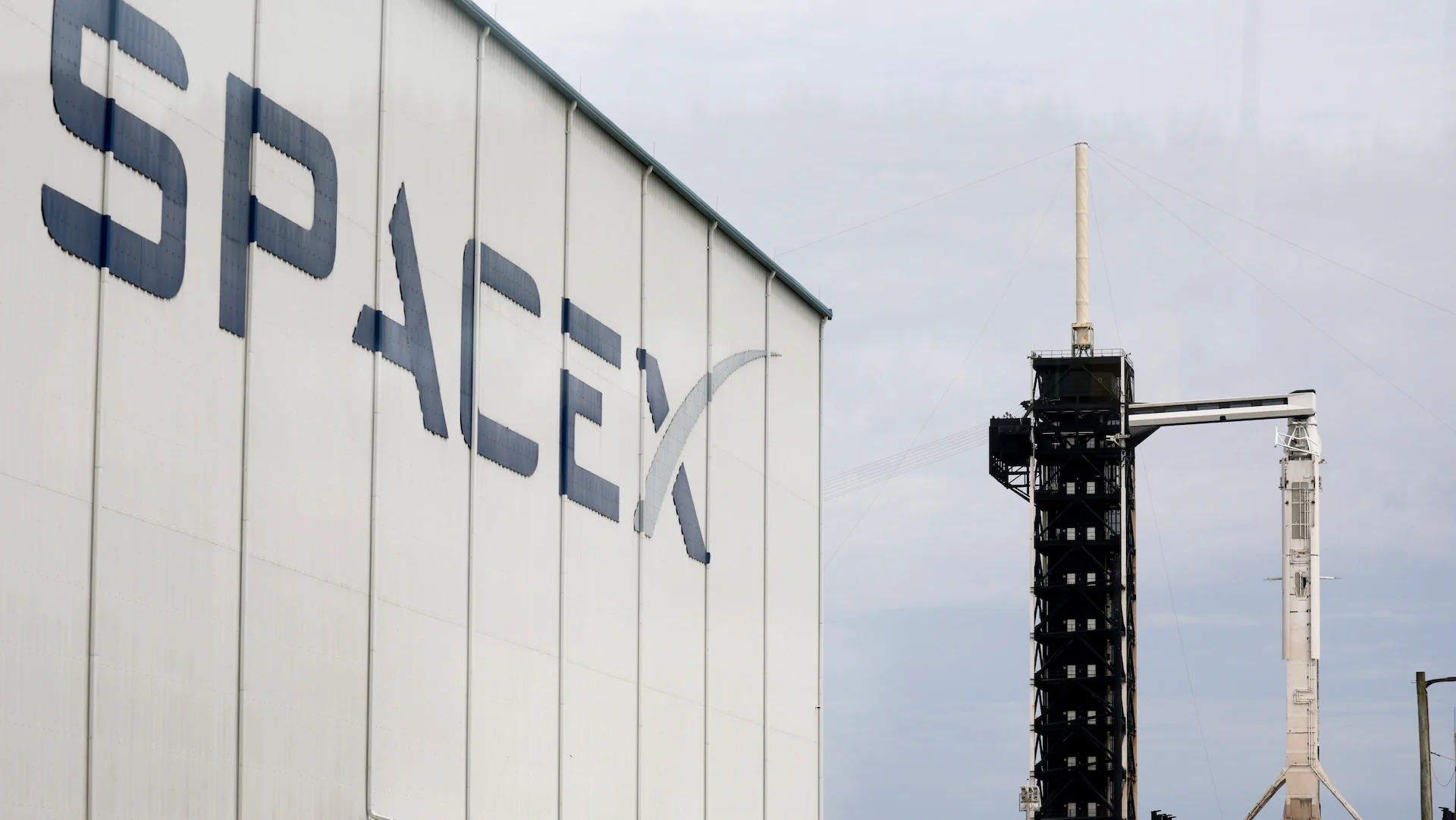
Elon Musk has officially merged SpaceX with his artificial intelligence company xAI, creating one of the most valuable private technology enterprises ever and setting the stage for a mega IPO in 2026 that could value the combined business at over $1.25 trillion. This consolidation answers the burning question: Who is reshaping the future of AI and space exploration? — and why this matters now as Musk accelerates efforts to build orbital data centers and power massive AI workloads beyond Earth’s surface.
SpaceX + xAI: What Really Happened
Recent reports confirm SpaceX has acquired xAI, combining Musk’s rocket and satellite company with the breakout AI firm that built the Grok chatbot and owns the X social media platform. The deal reportedly values SpaceX at around $1 trillion and xAI at roughly $250 billion, making it the largest private acquisition in tech history. The merger was disclosed to investors and may be publicly announced imminently. This move is widely seen as a prelude to SpaceX’s IPO later in 2026.
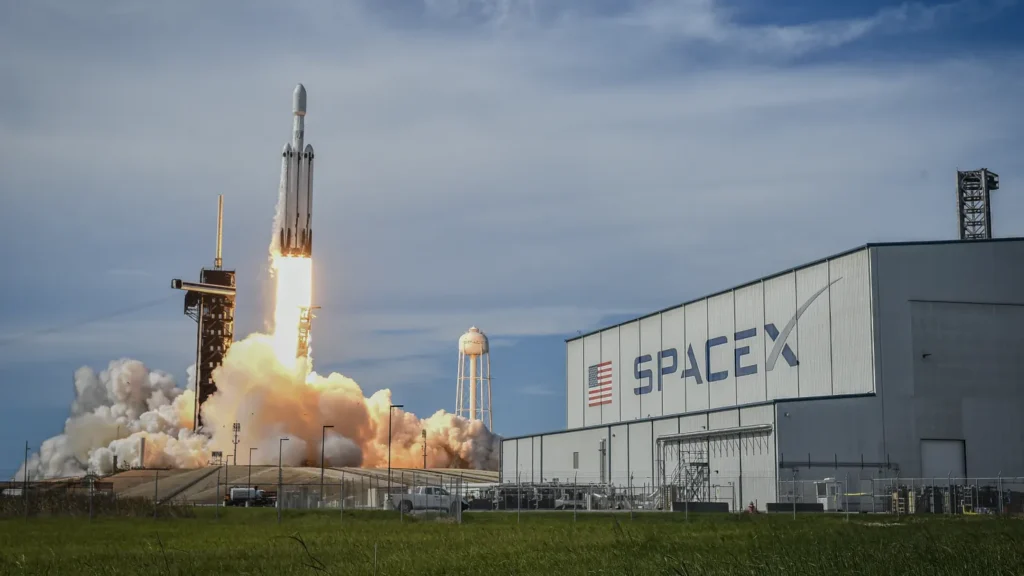
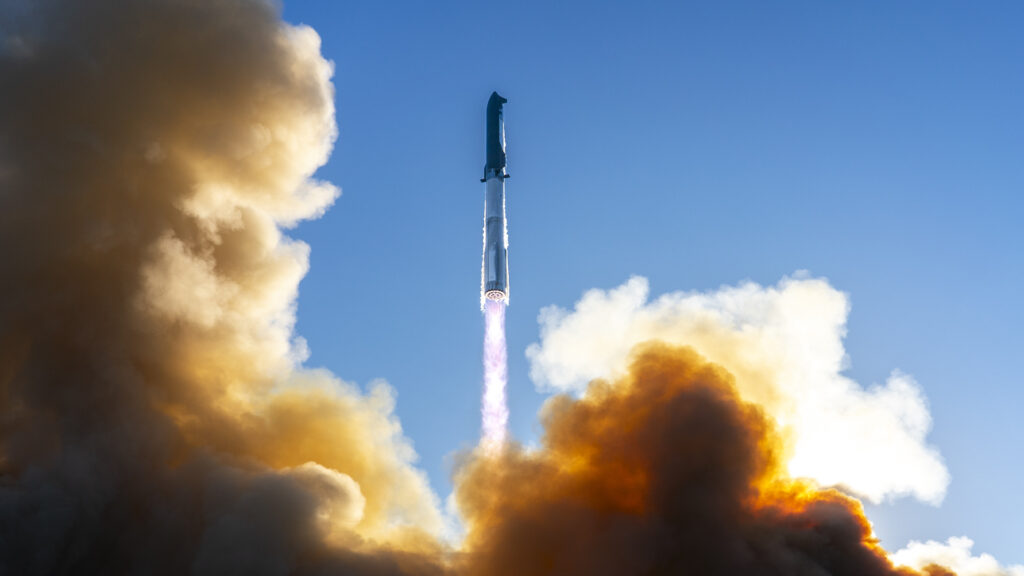
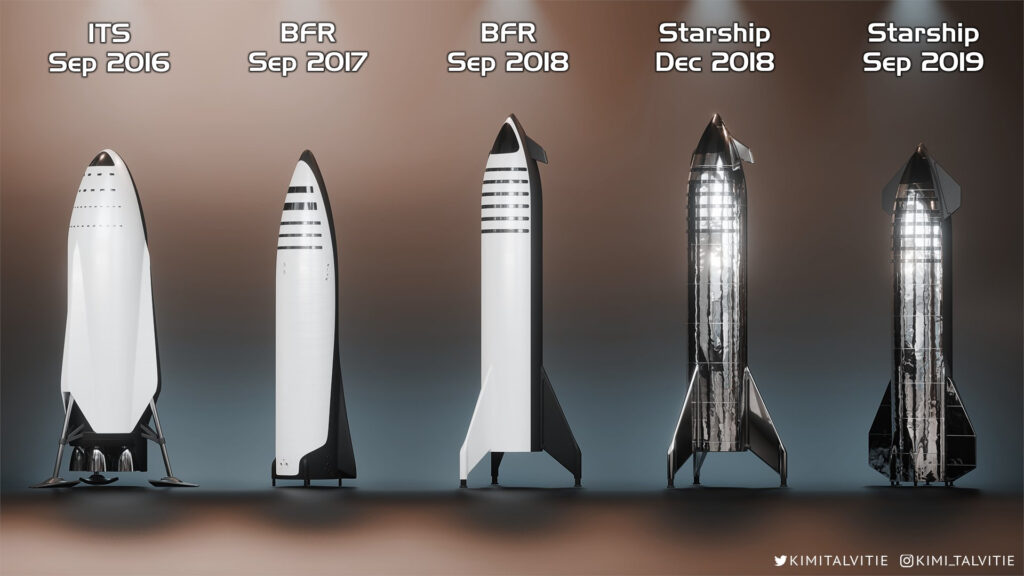
The acquisition brings together SpaceX’s space infrastructure and xAI’s advanced artificial intelligence capabilities under a single corporate umbrella. Combining Starlink’s satellite network, Starship rockets, AI computing, and real-time information platforms positions the new entity to compete with tech giants like Google, Amazon, and OpenAI both in space applications and in advanced AI development.
Why This Merger Matters Now
This is not just another tech merger — it marks a strategic shift in how AI and space technologies intersect. Musk has argued that future AI computation will be far more cost-effective in orbit, where near-constant solar energy and low cooling needs could dramatically lower the cost of massive AI workloads. This vision implies deploying orbital data centers powered by solar energy — something that traditional Earth-based infrastructure struggles to support due to energy and cooling constraints.
The timing of the merger ahead of the IPO is critical. SpaceX’s public debut could raise tens of billions of dollars, providing capital for ambitious projects like next-generation satellites and space hardware. For xAI, merging with SpaceX eases the pressure of funding its deep learning and AI research in a highly competitive arms race against rivals such as Meta, Anthropic, and OpenAI.
What This Means for Investors and Markets
The combined valuation and planned IPO make this one of the most closely watched corporate events of 2026. Investors are likely to scrutinize how SpaceX and xAI integrate financially and operationally. With projected share prices speculated around the $500+ range, early backers could see significant gains. Analysts also expect interest from infrastructure funds and global sovereign wealth funds looking to back long-term innovation and space infrastructure development.
However, regulatory challenges are possible. Given SpaceX’s existing government contracts and Musk’s multiple leadership roles, authorities could examine governance and national security implications before allowing such rapid expansion. Regulatory scrutiny might slow parts of the integration, but it is unlikely to stop the broader strategic push.

How the Merger Redefines Tech + Space Strategy
Merging SpaceX with xAI could reshape how the world thinks about computing and global connectivity. The tie-up aligns satellite internet infrastructure, AI computation, and real-time data services into a network that could power everything from autonomous systems to planetary-scale analytics. Musk’s vision of space-based AI data centers leverages constant solar power and low Earth orbit to run energy-intensive AI models more efficiently than Earth-bound centers.
Furthermore, the merger could accelerate advancements in AI research itself. By sharing hardware assets like xAI’s “Colossus” supercomputer and SpaceX’s satellite constellation, the combined company could deliver unprecedented computational power, enabling models that are larger, smarter, and more capable than anything currently on the market.
Looking Ahead: SpaceX IPO and Future Tech Horizons
SpaceX’s IPO is expected to take place later in 2026, potentially becoming the largest tech public offering in history. The combined valuation of SpaceX and xAI could eclipse other major tech IPOs, drawing massive attention from institutional and retail investors alike. Beyond the financial implications, this merger solidifies Musk’s role at the intersection of space exploration and artificial intelligence — two of the most transformative technologies of this generation.
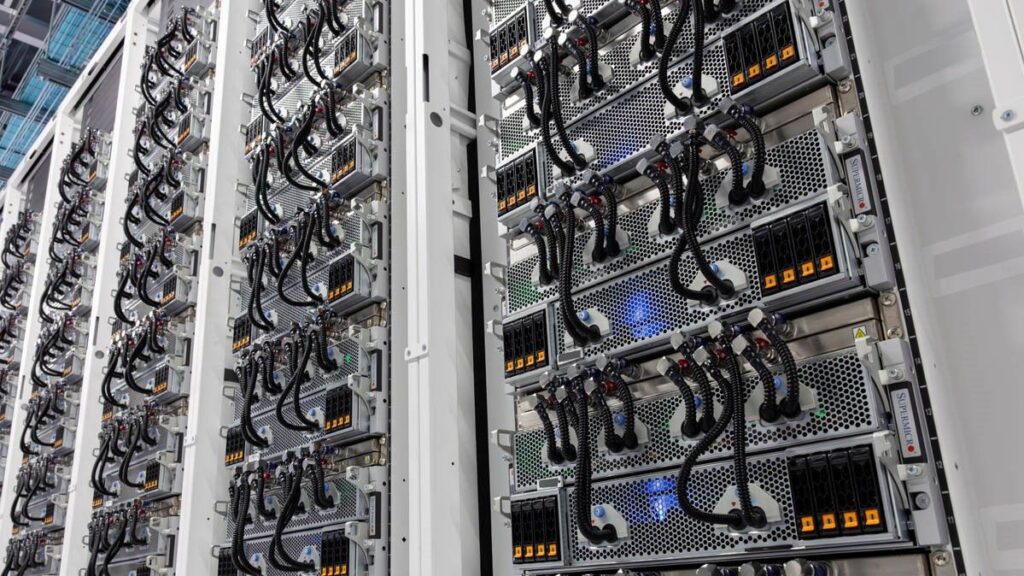
The technological ripple effects may also influence other industries, from defense to global telecommunications, as space-based AI data centers become a feasible alternative to traditional data infrastructure. Competitors are already exploring similar orbital systems, signaling that Musk’s bold strategy could be the catalyst for a broader shift in how AI and computing power are deployed worldwide.
A New Era in Tech and Space Innovation
The SpaceX-xAI merger is a groundbreaking development that unites space exploration with cutting-edge artificial intelligence, creating a powerful entity poised for historic success. With a massive IPO on the horizon and ambitious plans to build orbital infrastructure, this merger could redefine how the world operates — technologically, economically, and strategically.
Subscribe to trusted news sites like USnewsSphere.com for continuous updates.