
The U.S. spent $30 billion on laptops and tablets in schools, and a leading neuroscientist warns Gen Z is now scoring lower than previous generations. In a time when millions of students grow up with screens instead of textbooks, new evidence suggests that access to technology has not improved learning outcomes as promised but may have contributed to cognitive challenges and lower test scores. This matters now because school districts nationwide are debating sweeping cellphone bans and reevaluating classroom technology to boost focus and achievement.
How $30B in Classroom Tech Changed Learning
In the early 2000s, educational initiatives expanded digital tools in classrooms, aiming to transform learning by replacing textbooks with laptops and tablets. By 2024, the U.S. had invested more than $30 billion in devices designed to give students direct internet access, interactive lessons, and educational software. Advocates argued this would modernize education and foster digital literacies.
However, decades into this investment, educators and researchers see mixed outcomes. According to neuroscientist Jared Cooney Horvath, Gen Z — the cohort that grew up with this technology — is the first in modern times to score lower on standardized tests than their parents’ generation, despite having unprecedented access to digital tools. He testified that rather than strengthening critical thinking and academic skills, excessive classroom technology has often distracted from deep learning.
While technology supporters point to benefits like portability and digital access, ongoing debates show that simply having devices doesn’t guarantee better learning outcomes. The shift away from conventional textbooks aimed to expand resources but also introduced new challenges, including distraction and reduced sustained focus.

Why Screens May Hurt Cognitive Development
Researchers and educators increasingly express concerns about how screens affect mental processes in students. Multiple studies indicate that frequent use of laptops and tablets for learning may correlate with poorer performance on standardized measures of literacy and numeracy. In some cases, students who use computers extensively in class score significantly lower than peers who rely on traditional methods or have less screen time.
Psychologists explain that technology can fragment attention. When students are accustomed to switching between apps, notifications, and tasks, their ability to focus deeply on complex material may weaken. This phenomenon mirrors findings in cognitive science that task-switching — common with digital tools — reduces memory retention and increases error rates compared with focused study.
While digital tools remain valuable for specific educational tasks, the debate now centers on how and when technology should be used. Critics warn that unrestricted digital access without guided instructional strategies may undermine foundational learning processes, especially for younger students still developing attention and cognitive control.
Cell Phone Bans as a Response to Distraction
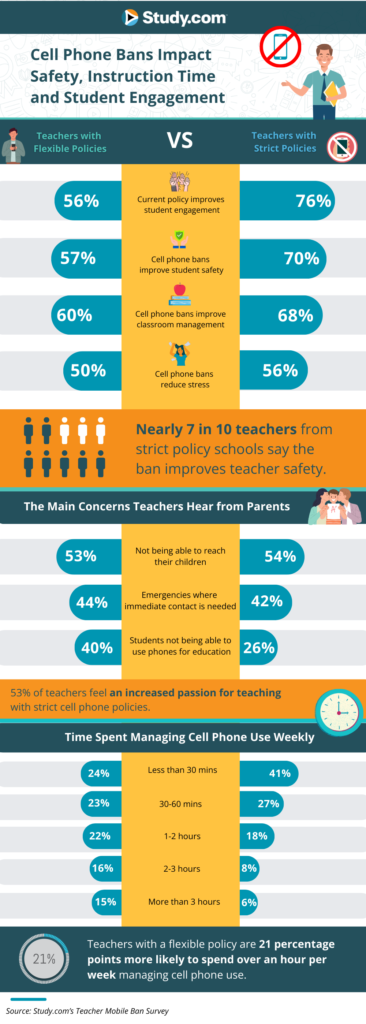
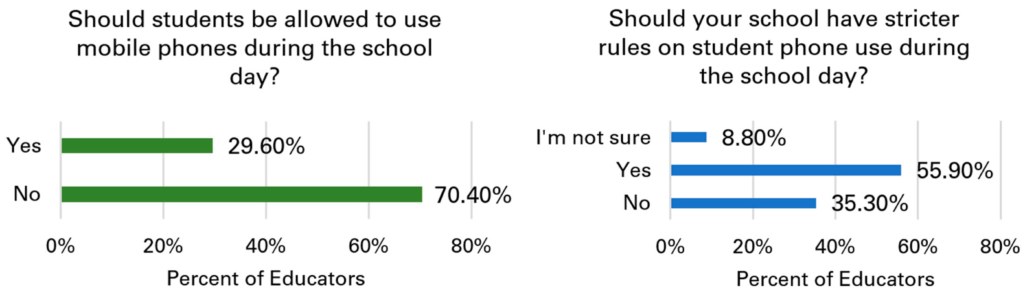
In response to concerns about technology’s impact on learning, many schools are adopting cellular device bans during instructional hours. Research shows that banning phones from classrooms can improve academic performance. Studies from England found that removing phones led to increases in test scores equivalent to adding several days to the school year, especially for students who previously struggled academically.
Educational institutions around the world report benefits beyond test scores — including improved behavior, reduced interruptions, and fewer distractions. Teachers often observe calmer classrooms where students engage more with instruction rather than screens.
Yet, policymakers must balance practical concerns. Some parents and educators argue that phones offer communication benefits and access to digital learning tools. The effectiveness of bans often depends on how administrators implement and enforce policies, and whether schools provide constructive alternatives to students.

Standardized Tests and Changing Benchmarks
Another dimension of the technology debate is how standardized testing itself has shifted. Critics contend that as educational standards evolve, tests may be recalibrated to match lowered expectations rather than reflect actual cognitive ability. In some countries, test adjustments have masked declines in student performance, making it harder to see the real effects of technology on learning.
In the U.S., policymakers and educators are now wrestling with whether current assessments effectively measure student understanding in an era dominated by screens. Discussions about raising standards and reevaluating curriculum are gaining traction as evidence emerges that existing benchmarks may not capture deeper learning deficits linked to digital distractions.
What Educators and Parents Can Do
Experts suggest several strategies to help students benefit from technology without compromising learning quality. This includes:
- Implementing structured tech use with clear educational goals rather than open-ended access.
- Combining screen-based tools with traditional problem-solving exercises that foster reflection and memory.
- Encouraging breaks and offline activities to balance digital engagement.
- Training educators to integrate technology in ways that enhance rather than disrupt instruction.
The conversation now reaches beyond devices themselves to educational philosophy. Schools that succeed will likely be those that thoughtfully combine technology with best practices in teaching and cognitive development rather than relying on gadgets alone.
Why This Matters Now
The link between classroom technology and learning outcomes has implications for societies facing rapid technological change. Parents, educators, and policymakers are reevaluating whether current digital strategies help or hinder student success. As governments debate mandates on technology use and schools adopt phone bans, the future of education is at a crossroads. Understanding this shift is essential not just for test scores but for workforce readiness, mental health, and long-term cognitive growth.
Subscribe to trusted news sites like USnewsSphere.com for continuous updates.