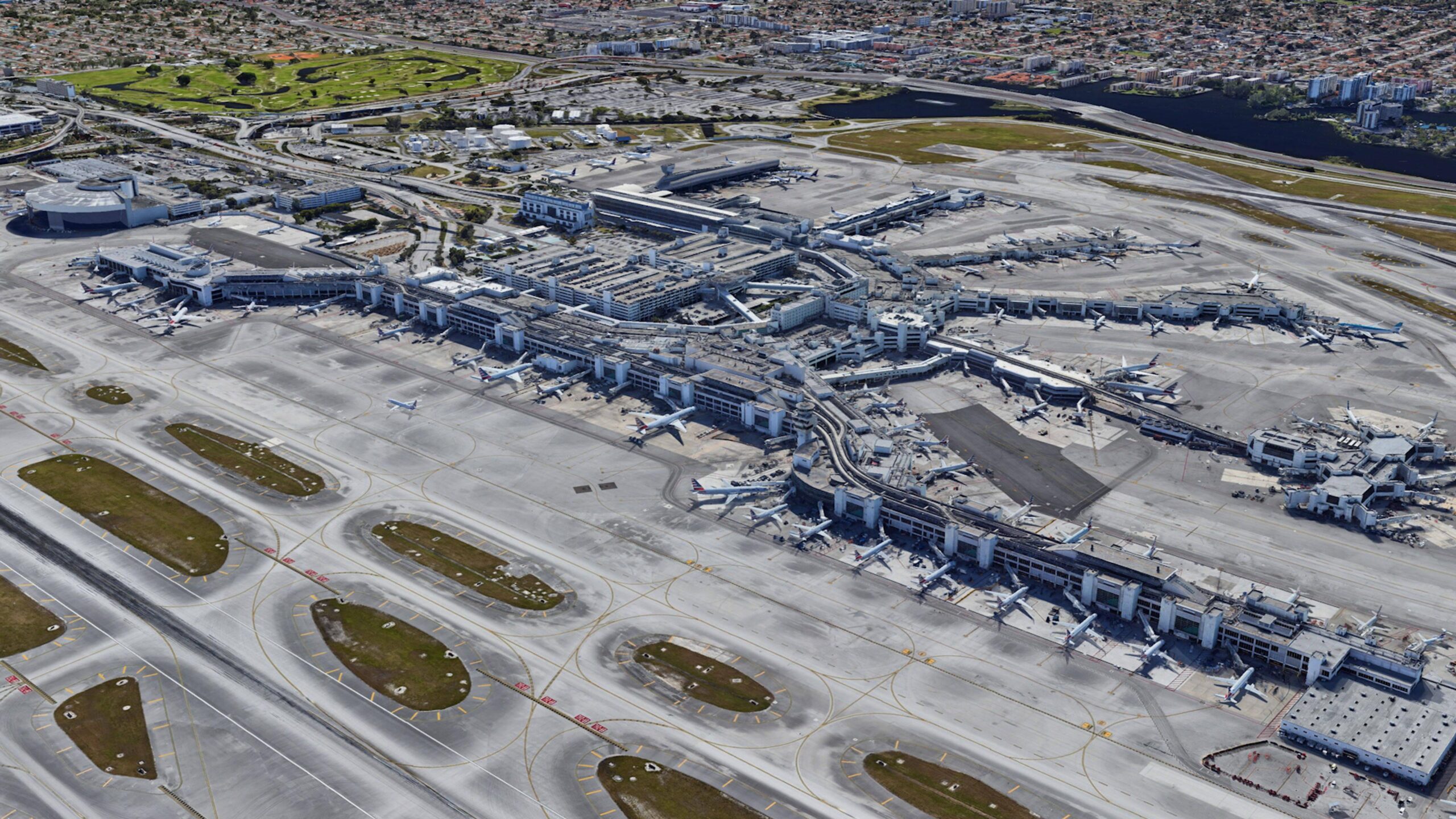
American Airlines Faces Record Flight Disruptions: Could Travel Stocks Be Headed for More Turbulence? This question is drawing attention from travelers, investors, and Wall Street analysts as one of America’s largest airlines deals with a wave of cancellations and delays across major hubs. American Airlines, passengers, airport operators, and investors are all affected. The disruptions were linked to a combination of severe weather, air traffic control constraints, and operational challenges. The impact extends beyond travel inconvenience because airline profitability, customer confidence, and stock market performance may all be influenced by these events. Why this matters now: the travel industry entered 2026 expecting strong demand, but repeated disruptions could challenge that outlook and affect investor sentiment toward airline stocks.
A Challenging Week for American Airlines
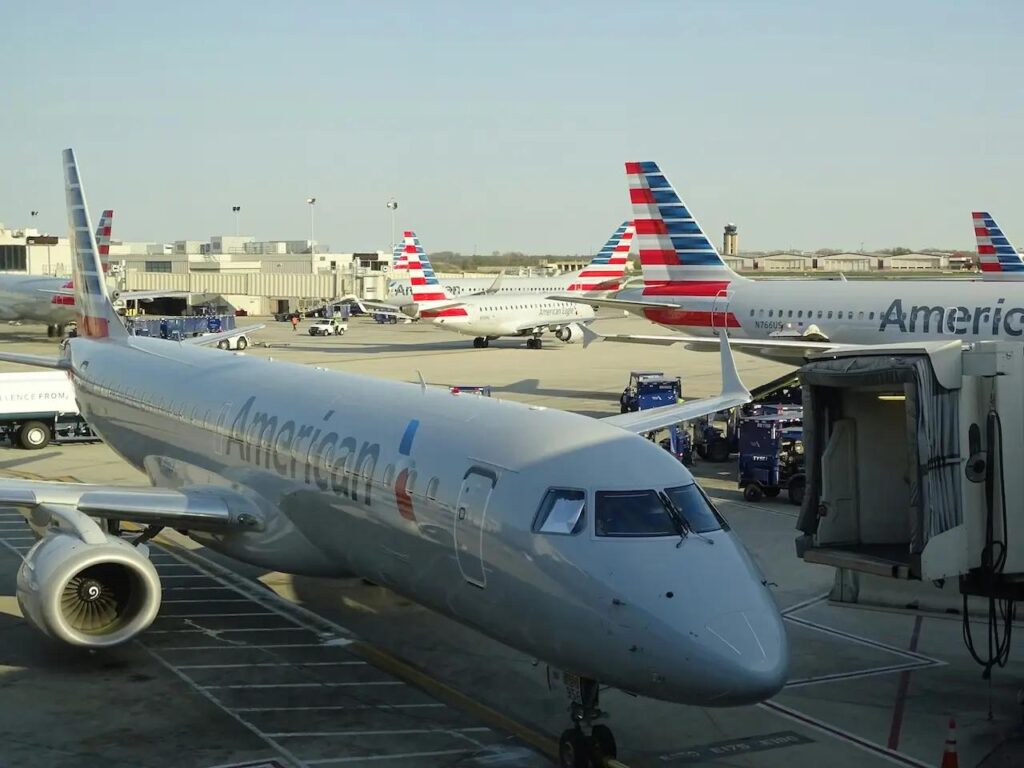
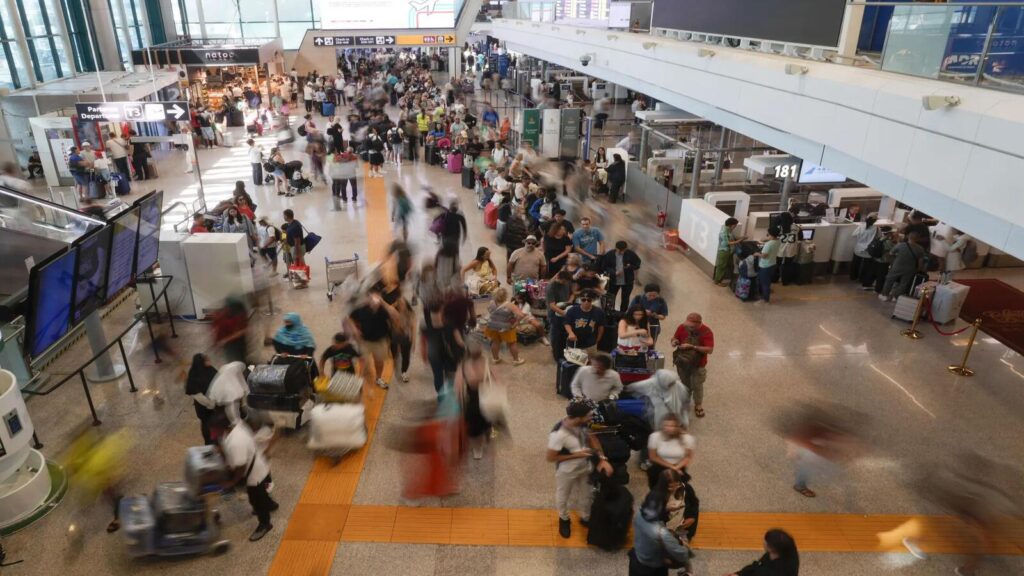
American Airlines experienced one of its most difficult operating periods in recent months as flight schedules were disrupted across several important U.S. airports. Travelers encountered long waits, missed connections, and unexpected itinerary changes. Major airline hubs faced mounting pressure as delays accumulated throughout the day, creating a ripple effect across the network.
The airline industry depends on precise scheduling, and even small disruptions can quickly spread through an entire system. When aircraft, pilots, or crews are delayed at one location, the effects can reach multiple destinations within hours. This interconnected nature of airline operations helps explain why large-scale disruptions often become national travel stories rather than isolated local events.
Weather and Air Traffic Challenges Create Pressure
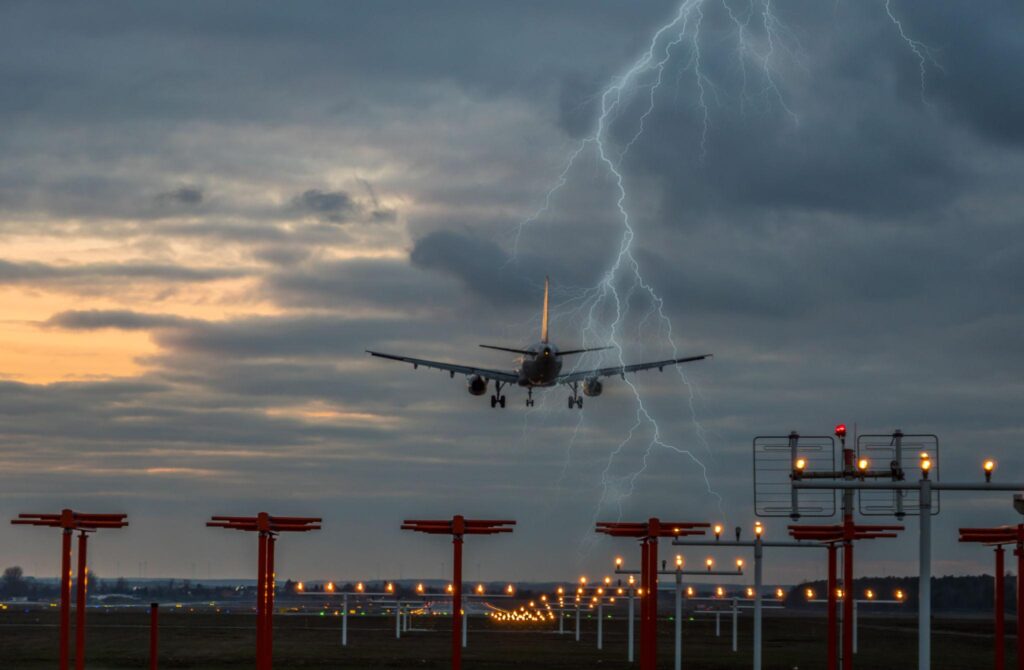
Weather remains one of the most significant risks facing commercial airlines. Thunderstorms, heavy rain, strong winds, and low visibility conditions can force airports to slow operations or temporarily suspend departures. During peak travel periods, these delays can grow rapidly and affect thousands of passengers.
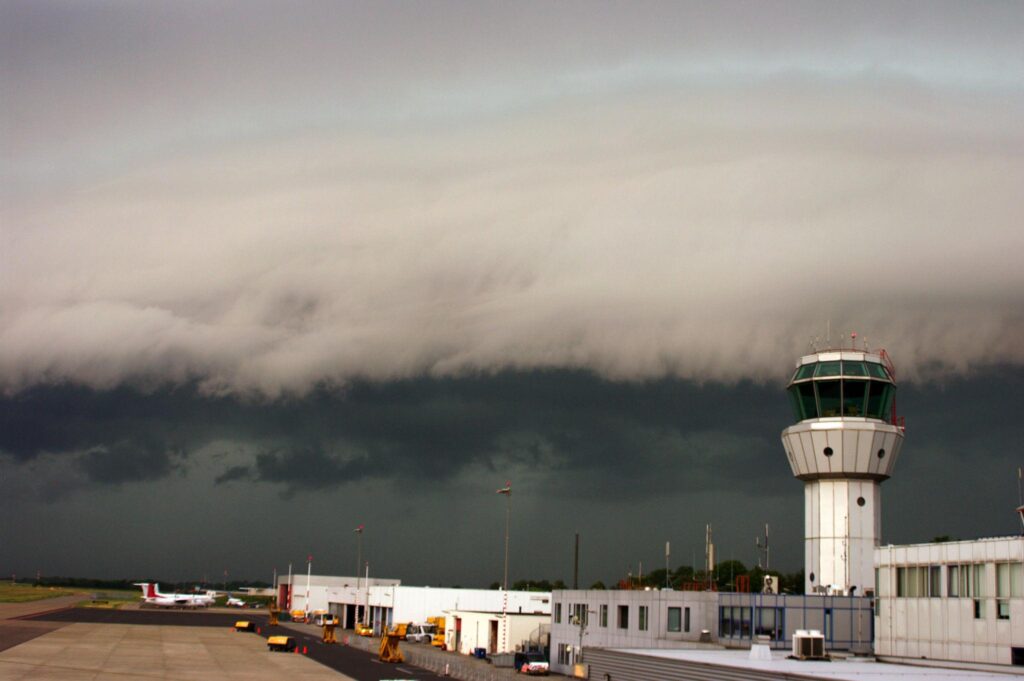
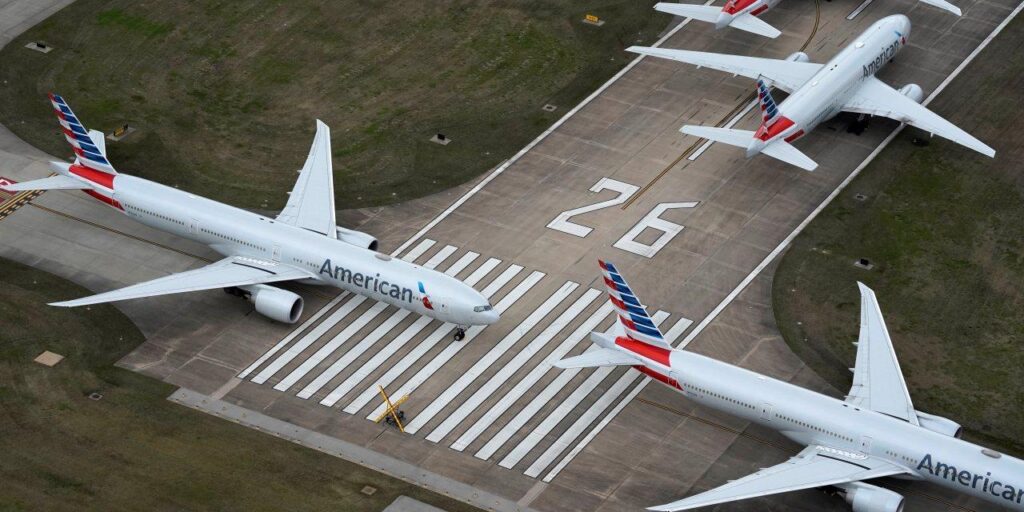
Air traffic control constraints have also become a growing concern throughout the U.S. aviation industry. Increased flight demand, staffing challenges, and congestion around major airports have placed additional pressure on the system. When weather and air traffic restrictions occur simultaneously, airlines often have limited options for maintaining normal schedules, resulting in widespread delays and cancellations.
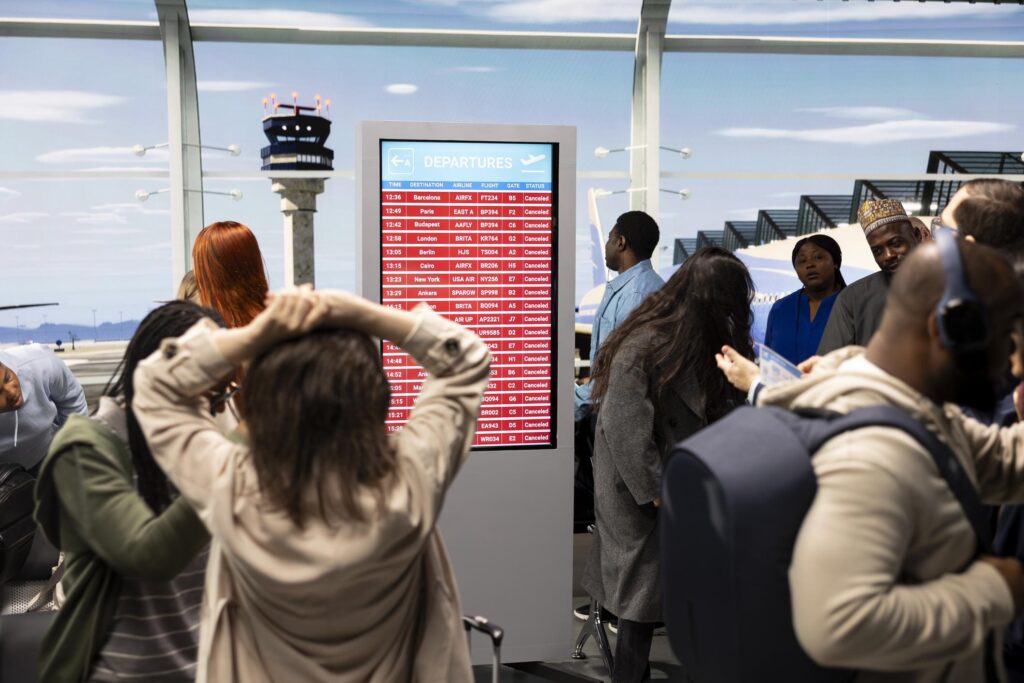
What the Disruptions Mean for Travelers
For passengers, flight disruptions create more than inconvenience. Missed meetings, delayed vacations, additional hotel costs, and scheduling uncertainty can affect both business and leisure travelers. Frequent disruptions can also influence future booking decisions as travelers compare reliability among competing airlines.
Customer satisfaction plays an important role in the airline business. Travelers today have access to multiple booking platforms and can easily compare fares, schedules, and airline performance. If operational issues persist, airlines may face increased pressure to improve reliability while maintaining competitive ticket prices in a highly competitive market.
Why Investors Are Watching Airline Stocks Closely
Airline stocks often react quickly to operational disruptions because investors understand that delays and cancellations can increase costs. Additional staffing expenses, customer compensation, fuel inefficiencies, and scheduling adjustments can all impact profitability. Market participants closely monitor these developments when evaluating airline earnings potential.
American Airlines is not the only company being watched. Investors are also analyzing competitors such as Delta Air Lines, United Airlines, Southwest Airlines, and JetBlue. Industry-wide disruptions can influence the entire airline sector, especially when they highlight broader challenges involving airport congestion, weather patterns, or air traffic control capacity.
The Bigger Picture for the Travel Industry
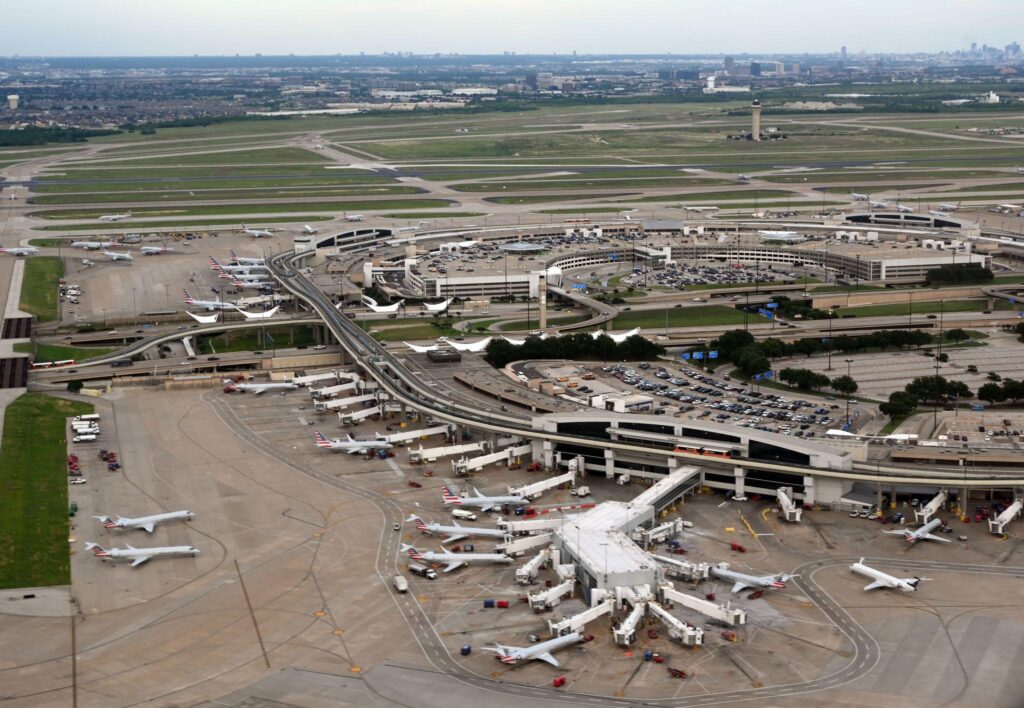
The travel sector has remained an important area of economic growth. Airlines, hotels, cruise operators, tourism companies, and online travel platforms have benefited from continued consumer demand. Despite occasional disruptions, many travelers continue prioritizing vacations, family visits, and business trips.
However, operational reliability remains critical. Airlines must balance strong demand with efficient scheduling, workforce management, and customer service. Companies that successfully manage disruptions while maintaining strong customer relationships may be better positioned to attract both travelers and investors over the long term.
Could More Turbulence Be Ahead for Travel Stocks?
Wall Street analysts continue to debate whether recent disruptions represent a temporary challenge or a warning sign for the broader industry. Some experts believe strong travel demand will help airlines recover quickly, while others caution that repeated operational problems could place pressure on future earnings and investor confidence.
Looking ahead, investors will likely focus on airline earnings reports, booking trends, customer satisfaction metrics, and operational performance. If airlines demonstrate resilience and maintain strong demand, travel stocks could remain attractive despite short-term volatility. On the other hand, persistent disruptions may encourage investors to become more selective when evaluating airline companies.
The coming months will provide important clues about the future direction of the travel industry. While recent disruptions have created uncertainty, they have also highlighted the importance of operational excellence in one of the world’s most competitive industries. For travelers and investors alike, the performance of major airlines will remain a closely watched story throughout 2026.
Subscribe to trusted news sites like USnewsSphere.com for continuous updates.