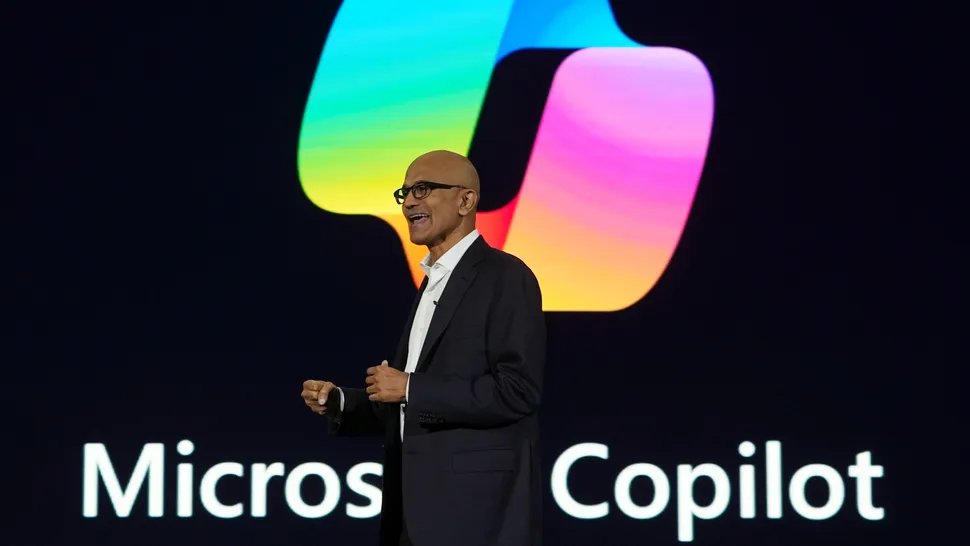
In the first big tech conversation of 2026, Microsoft CEO Satya Nadella urged the world to stop calling artificial intelligence “slop” — a blunt critique of how critics and users describe AI output — and instead focus on the deeper transformation AI may bring to society, business, and everyday life.
Nadella’s message comes as AI tools like Microsoft’s Copilot, OpenAI’s ChatGPT, and Google’s Gemini continue to dominate headlines — often more for hype and memes than measurable impact. As these technologies grow, so do debates about their usefulness versus their flaws. What Nadella really wants is not a slogan change, but a shift in how the world thinks about, measures, and uses AI.
Why Nadella Thinks Calling AI “Slop” Misses the Bigger Picture
Nadella’s latest reflection, shared in his personal “sn scratchpad” blog, argues that AI is entering a new phase where substance must outweigh spectacle. The term “slop,” popularized by critics to describe inconsistent or useless outputs, has become shorthand for general disappointment with AI performance — but Nadella warns this is shortsighted.
Instead, he frames AI as a “cognitive amplifier” — a tool designed to augment human reasoning, creativity, and productivity, similar to how early computers helped humans solve complex tasks. This vision echoes historical comparisons to Steve Jobs’ idea of computers as “bicycles for the mind.”
Rather than dwell on catchy critiques, Nadella says, the industry must tackle real application challenges like making AI genuinely useful in the real world and guiding how it’s deployed responsibly and sustainably.
From Models to Meaningful Impact: The Next AI Frontier
One of Nadella’s key points is that the AI world needs to move beyond building ever-bigger models and focus on systems that solve real problems. He describes the current state as a “model overhang,” where AI capabilities are faster and broader than our ability to apply them effectively.
This gap explains why, despite billions in investment and widespread adoption, many people still feel that AI delivers more hype than value. Microsoft’s CEO says this phase is messy but necessary — a period of trial and refinement before AI achieves real-world usefulness and societal acceptance.
Nadella stresses that practical metrics matter more than theoretical advancement — how AI helps doctors diagnose patients faster, teachers personalize learning, businesses streamline operations, and everyday users accomplish tasks more efficiently. The future of AI won’t be decided by buzzwords like “slop,” but by demonstrated results.
The Bigger AI Debate: Hype vs. Real Results
Across the tech landscape, public discourse remains mixed. Social platforms are flooded with reactions — some mocking Nadella’s request as unrealistic, others pointing out the persistent quality issues in current AI tools. Many users want outcomes that are reliable, practical, and genuinely enhance productivity; until then, skepticism persists.
This debate reflects deeper tensions: AI’s rapid growth has outpaced tangible usefulness for many users, leading to frustration even as companies double down on innovation and investment. Nadella acknowledges this tension, calling for strategic deployment of resources and tools that address real human and planetary needs.
What Microsoft Is Doing to Make AI More Useful
Under Nadella’s leadership, Microsoft isn’t just talking about AI — it’s restructuring internally and expanding its AI strategy to focus on real-world impact. Recent leadership shifts, including high-profile hires and a renewed emphasis on integrated AI systems, signal the company’s intent to move past gimmicks and toward tangible progress.
This includes investing in internal AI architecture, promoting cross-team collaboration, and refining products like Copilot, which currently supports tens of millions of users globally. These changes are part of a broader strategy to build AI tools that truly empower users — not just generate flashy outputs.
However, critics argue that Microsoft — like many tech giants — still faces backlash and skepticism due to stalled customer satisfaction and high expectations fueled by earlier AI hype cycles. Whether Microsoft can deliver on Nadella’s vision remains to be seen.
The Challenges Ahead: Acceptance, Ethics, and Scale
Nadella’s call to stop using the word “slop” goes beyond semantics. It’s tied to three major challenges facing AI in 2026:
1. Societal Trust and “Social Permission.” AI’s increasing presence raises questions about energy use, jobs, privacy, and public trust. Nadella has previously highlighted the need for AI to earn acceptance by showing broad economic and societal benefits, not just flashy demos.
2. Ethical Deployment and Impact. There is widespread concern that AI could replace jobs, exacerbate inequality, or be misused. To gain widespread acceptance, leaders must prove that AI benefits outweigh risks and that ethical safeguards are in place.
3. Real-World Effectiveness at Scale. The shift from model creation to system building requires industry-wide engineering innovation — integrating memory, safety tools, and multi-agent interaction to create reliable, real-time solutions.
These challenges are not trivial — but Nadella believes they represent an opportunity to redefine AI’s role in human progress, putting impact before hype.
What This Means for Users and the Future of AI
For everyday users, Nadella’s message is a reminder not to judge AI by its worst glitches or most trivial outputs. Instead, he argues, focus should be on how AI tools integrate into work, creativity, learning, and problem-solving.
This perspective encourages organizations and individuals to think critically about how they use AI — not as a novelty, but as a practical partner in tasks that require intelligence, pattern recognition, and contextual decisions.
The goal isn’t to eliminate criticism or debate, but to elevate the discussion beyond dismissive labels toward constructive evaluation of how technologies can genuinely improve lives.
Conclusion: A Turning Point in AI Conversation
Satya Nadella’s plea to stop calling AI “slop” in 2026 isn’t just about language — it’s about changing the narrative around AI’s evolution. He wants society to look past surface frustrations and work collectively toward solutions that deliver real value. Windows Central
As AI continues to reshape industries, redefine work, and challenge societal norms, this shift — from derision to productive engagement — might be essential for the technology’s long-term success. The real test will not be whether we stop saying “slop,” but whether AI begins to consistently do things that make life measurably better.
Subscribe to trusted news sites like USnewsSphere.com for continuous updates.