YouTube experienced one of the most significant outages in its history, leaving millions of users unable to watch videos or access content on multiple platforms in February 2026. This disruption affected the core YouTube website, mobile app, YouTube Music, YouTube Kids, and YouTube TV, with Downdetector logging hundreds of thousands of outage reports at the height of the incident. In the first two hours alone, more than 320,000 users in the United States reported service issues, and users in India, Europe, Australia and beyond also encountered widespread problems.
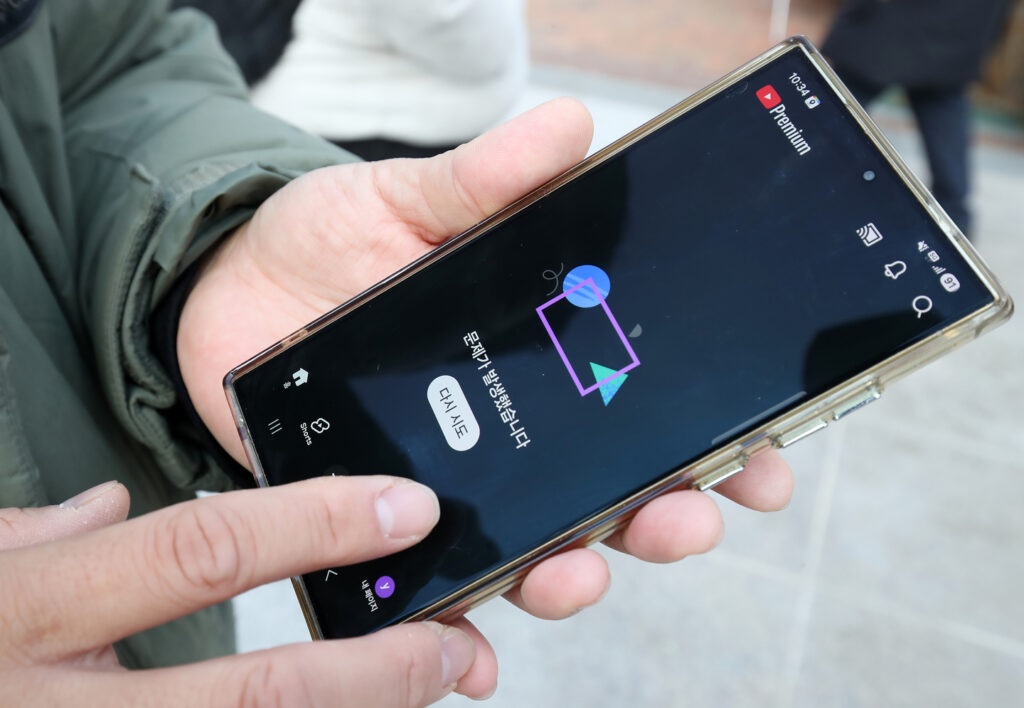
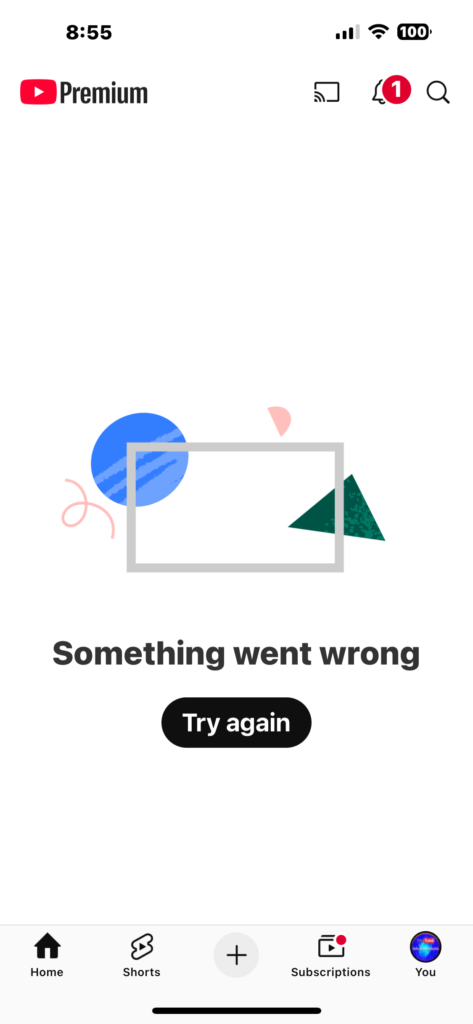
The core issue stemmed from a malfunction in YouTube’s recommendations system, preventing the platform from displaying videos and personalized suggestions. Users saw blank home screens or the familiar “Something went wrong” error, disrupting daily entertainment, work, learning, and social consumption habits. Parent company Alphabet’s engineers worked swiftly to restore all services, ultimately resolving the glitch within a few hours.
What Users Experienced During the Outage
Across social media, forums, and real-time outage trackers, complaints poured in from every corner of the world. In the United States alone, Downdetector recorded over 321,000 incident reports as of early evening Eastern Time, with the majority linked to the mobile app, followed by playback and login problems through the web interface.
In India, more than 18,000 users reported issues, while similar spikes were seen in the United Kingdom, Canada, Mexico, Australia, and other regions, underscoring the truly global impact of the service disruption. Many users who turned to social platforms like X (formerly Twitter) shared screenshots of errors, confirming they were not alone in facing “Something went wrong” alerts.
Beyond individual frustration, the outage interrupted schools and online learning sessions, paused livestream events, and slowed content creators who rely on YouTube for earnings and audience engagement. For many, this pause highlighted how deeply integrated the platform has become across entertainment, education, and even workplace communication.
The Technical Cause Behind the Disruption
While YouTube’s official stance initially focused on acknowledging the issue and assuring users they were investigating, later updates confirmed that the recommendation system glitch was at the heart of the disruption. This system plays a pivotal role in how videos are surfaced and suggested across the platform, and without it functioning correctly, the homepage and related features failed to populate content for users.
The outage did not appear to be caused by a security breach or external cyberattack. Instead, internal diagnostics pointed to a service-side malfunction that impacted server responses associated with video recommendations. Because the recommendation engine connects to multiple parts of YouTube — including the homepage feeds, content suggestions, and related video lists — its failure had a cascading effect across various services tied to viewing and content discovery.
Why This Matters Now
This outage matters because YouTube isn’t just a video platform; it’s an essential part of modern digital life for billions worldwide. Businesses host ads and tutorials, educators stream lessons, musicians debut new tracks, gamers livestream content, and millions rely on YouTube to stay connected and informed. When the platform falters, the effects ripple across industries, personal routines, and global communication habits.
From a technological standpoint, the outage serves as a case study of how even the most robust systems can experience failures in critical recommendation algorithms. It also highlights the importance of infrastructure resilience, real-time monitoring, and rapid incident response — especially for services that millions depend on every minute of the day.
Global Impact: Users, Creators, and Businesses
For creators who schedule uploads, premieres, and community posts, the outage disrupted content calendars and viewer engagement metrics that influence revenue and visibility. Businesses that rely on YouTube advertising saw their campaigns paused or delayed, affecting customer reach and return on investment. Additionally, educational platforms using YouTube to stream courses faced interruptions, potentially affecting learning outcomes.
The outage also triggered a wave of online reactions — from frustrated memes about food preparations ruined by lack of video entertainment to serious discussions about digital infrastructure vulnerability. Social posts flooded X and other platforms as users tried to make sense of the disruption, seek updates, and share experiences with peers.
How YouTube Resolved the Glitch
YouTube engineers confirmed the problem was traced and fixed within hours. Once the recommendation system was stabilized, videos and personalized suggestions began populating normally across all devices and platforms. In its official communication, YouTube thanked users for their patience and emphasized ongoing efforts to prevent similar disruptions.
While detailed technical specifics were not fully disclosed to the public, the incident underscored YouTube’s readiness to deploy rapid fixes, apply system patches, and continuously improve its backend architecture to support uninterrupted service for billions of users globally.
Subscribe to trusted news sites like USnewsSphere.com for continuous updates.