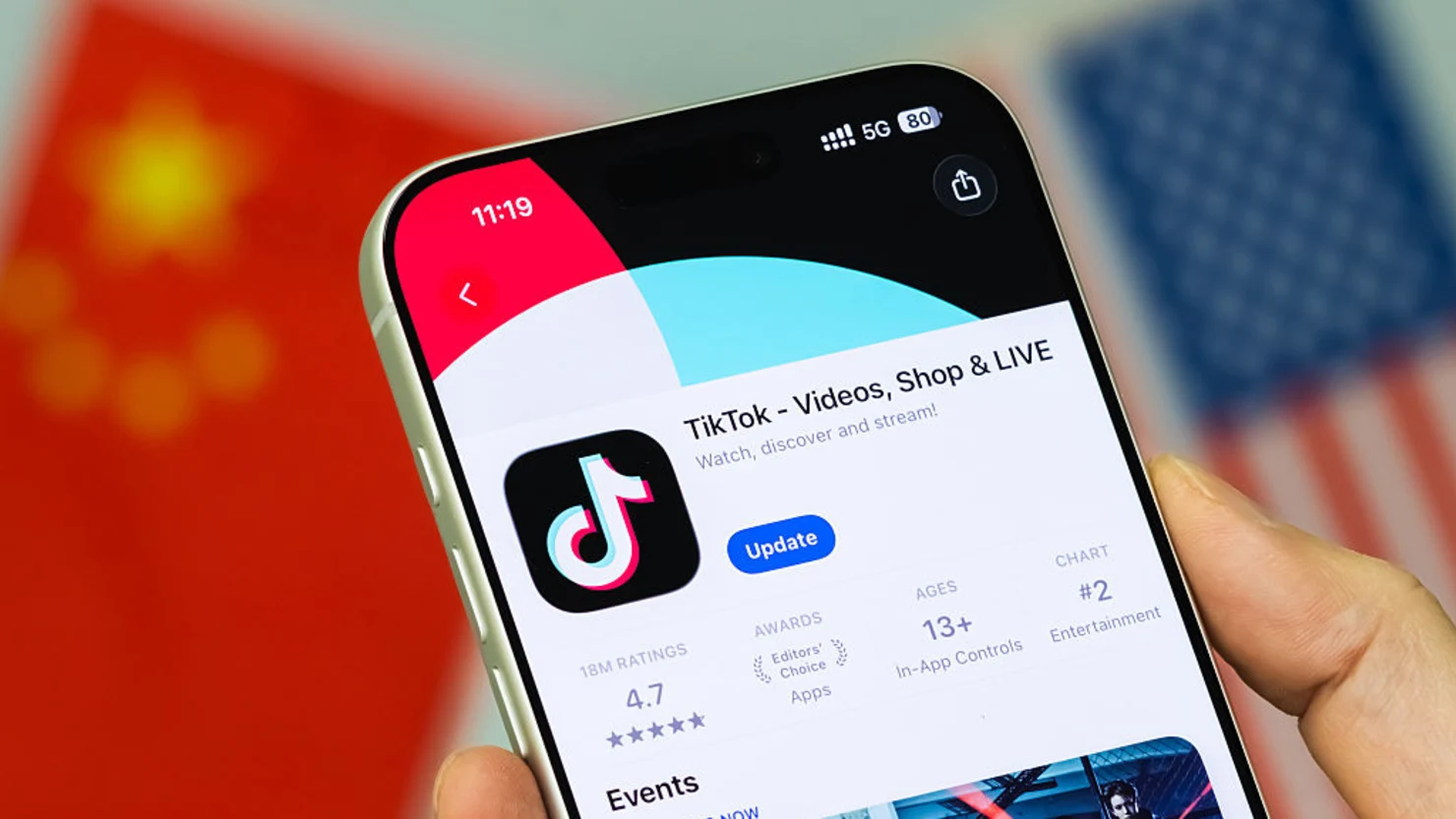
TikTok uninstalls in the United States have jumped by nearly 150% in the days following the launch of its new U.S. joint venture — TikTok USDS Joint Venture LLC — highlighting growing user concern and platform instability. Data from market analytics firms shows Americans are deleting the app at rates far above the recent norm, even as the company positions the shift as a win for national security and data privacy.
This surge isn’t just a blip. It reflects widespread unease among users, creators, and even policymakers — driven by privacy worries, technical issues, and controversial content moderation claims. The spike has reignited debates about how U.S. tech companies balance national security, user trust, and freedom of expression in a highly polarized environment.
What’s Behind the Uninstall Trend
In late January 2026, TikTok completed the formation of a new majority-U.S. owned entity, TikTok USDS Joint Venture LLC, designed to satisfy U.S. regulatory pressure over foreign ownership and data security. Under this structure, Oracle, Silver Lake, and MGX hold significant stakes, while TikTok’s Chinese parent ByteDance retains a minority share.
Despite this effort, users appear skeptical. Analysts tracking app store metrics reported that U.S. daily uninstall rates for TikTok skyrocketed roughly 150% compared with the prior three months following the announcement. Many users cited concerns over new privacy policies and uncertainty about where and how their data is stored.
Compounding the backlash, reports indicate that users experienced unexpected technical problems such as feed glitches, delayed uploads, and service outages in the days after the ownership change — fueling frustration and distrust. Some creators said these issues disrupted audience engagement and monetization.
Rising Competitor Interest and User Migration
Beyond deletion figures, there’s evidence that some former TikTok users are actively exploring alternatives. Emerging platforms like UpScrolled — known for a simpler feed and less algorithmic curation — have seen increased downloads, suggesting a subset of users are seeking social media experiences outside the TikTok ecosystem.
Social media conversations also point to users concerned that TikTok’s new U.S. ownership could result in changes to content algorithm behavior — whether due to politics, censorship claims, or shifts in moderation strategy. These concerns have been amplified by high-profile accusations that the platform suppressed certain political content.
National Security, Policy, and Public Trust
The joint venture move was framed by TikTok leaders and U.S. officials as a way to keep the platform operational in the U.S. while securing American user data under stricter controls. Advocates of the deal emphasize increased transparency requirements and enhanced cybersecurity measures.
However, critics argue the shift does not fully solve underlying issues. Some lawmakers and security experts contend that retaining ByteDance’s involvement and algorithmic influence means national security threats may persist. Others worry that political influence could seep into content moderation decisions, undermining free expression principles.
This context matters because TikTok is not just another app — it has become a central platform for digital communication, political discourse, and cultural trends, especially among younger Americans. Shifts in user trust or engagement can have far-reaching effects well beyond social media metrics.
Why This Matters Now
The rapid uninstall surge comes at a critical time when regulators, creators, and users are all reassessing the platform’s direction amid legal and political pressures. While TikTok has avoided a full U.S. ban, the volatility underscores how quickly public sentiment can turn when policy changes intersect with everyday digital life.
This unfolding story also signals broader challenges facing global tech platforms operating under heightened geopolitical scrutiny. User confidence — once taken for granted — now plays a pivotal role in shaping the future of digital ecosystems, and platforms that fail to maintain trust risk rapid disengagement.
Potential Impact on TikTok’s Future
If uninstall trends persist or accelerate, TikTok could face longer-term declines in active users, ad revenue, and creator participation. This could, in turn, weaken its competitive posture against rivals like Instagram Reels, YouTube Shorts, and newer entrants like UpScrolled.
At the same time, the rollout of stronger data protection frameworks, transparent privacy policies, and responsive technical improvements may help rebuild confidence among the remaining user base — if executed swiftly and clearly communicated.
What Comes Next
Experts suggest watching three key indicators in the coming weeks:
- User Install vs. Uninstall Rates: Sustained uninstall growth may discourage advertisers and creators.
- Policy Clarifications: Any updates to user privacy protections or content moderation guidelines could influence sentiment.
- Regulatory Response: Ongoing governmental reviews or legal challenges could shape TikTok’s operational model further.
Regardless of the direction, this episode highlights how user perception and policy can rapidly reshape the digital landscape, especially for platforms with massive global footprints.
Subscribe to trusted news sites like USnewsSphere.com for continuous updates.