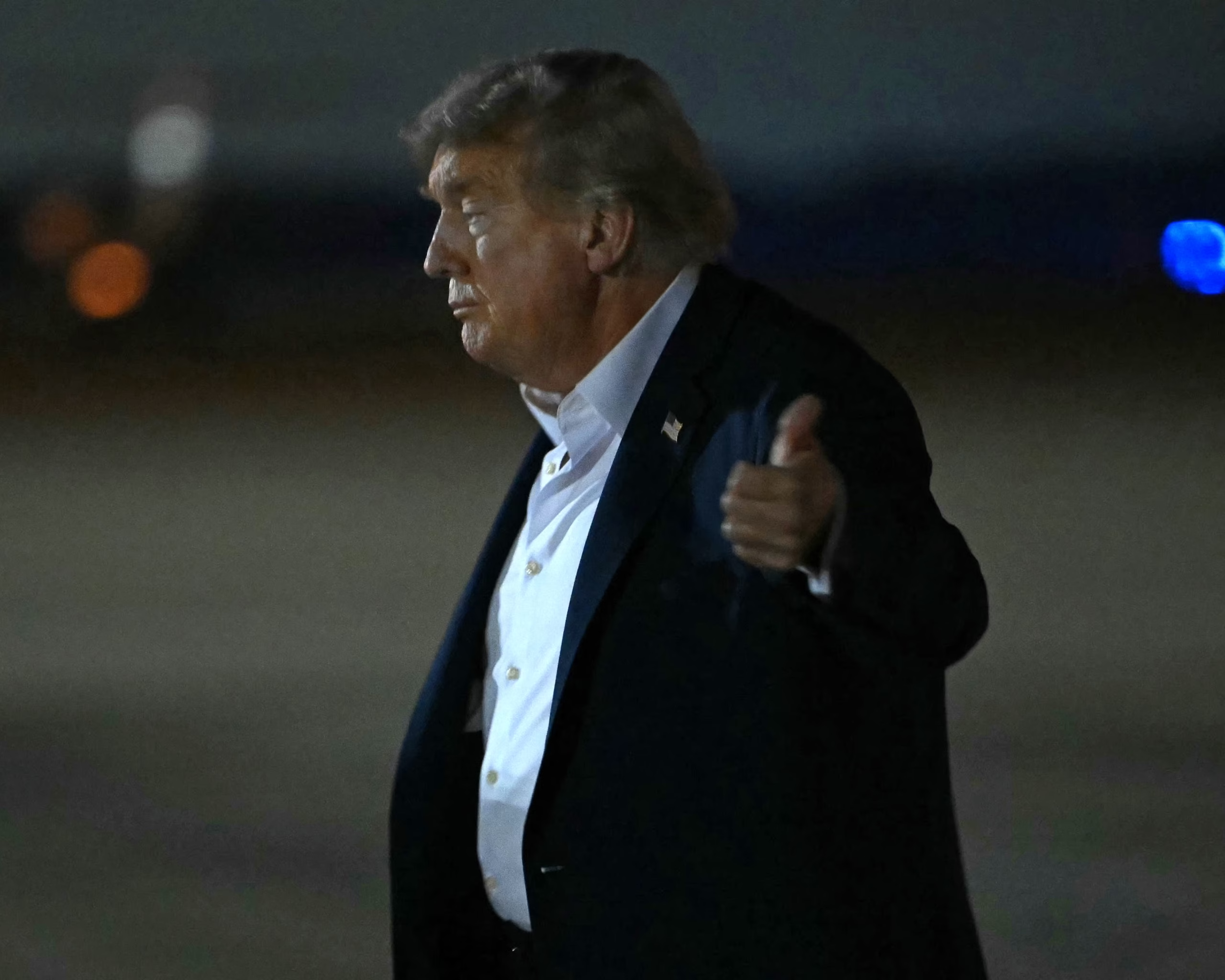
The iconic Gallup presidential approval rating poll — a cornerstone of American political data for nearly nine decades — has officially been discontinued by Gallup, marking the end of one of the most trusted measures of public sentiment toward the executive branch. This decision was announced in February 2026.
This shift reflects an evolution in Gallup’s core mission. The organization told media outlets that moving away from individual job approval numbers allows it to focus on broader, long-term issues shaping society. This includes expanded research into public attitudes on economic, social, and global trends, rather than monthly or periodic ratings tied to a single political figure.
Why This Matters Now
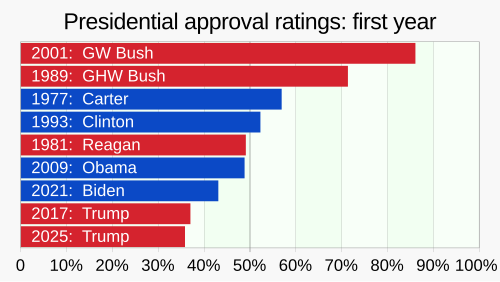
The timing of this announcement comes amid historically low approval ratings for the current U.S. president and rising skepticism toward traditional polling. Gallup’s final published presidential approval rating — 36% for President Donald Trump in December 2025 — sits near the lowest point in its history and reflects increasing political polarization and declining public trust in political institutions.
As media, analysts, and policymakers adjust to an era without this benchmark, observers are questioning how future public sentiment will be measured and reported. Gallup emphasizes that the poll’s end is not a result of political pressure but a broader organizational shift to deepen research into societal, economic, and global dynamics.
Gallup’s Legacy: A Historical Barometer of American Politics
Gallup’s presidential approval polling began in the 1930s and quickly became one of the most referenced gauges of presidential performance in U.S. history. From Franklin D. Roosevelt’s leadership during World War II to George W. Bush’s peak approval after 9/11, the numbers shaped how Americans interpreted leadership and major national events.
Over nearly nine decades, Gallup’s ratings became a staple in presidential campaigns, media coverage, legislative strategy, and scholarly research. They provided an empirical way to assess public satisfaction with presidential actions and policies, serving both journalists and historians alike. The publication of these ratings became so routine that many assumed they would never fade.
Why Gallup Says It’s Ending the Poll
Gallup stated that its move away from presidential approval surveys reflects a deliberate strategy to realign research priorities: rather than repeat a service widely offered by other pollsters, Gallup wants to concentrate on public attitudes toward broader issues that impact everyday life. This includes long-term studies on economic confidence, social attitudes, and international outlooks.
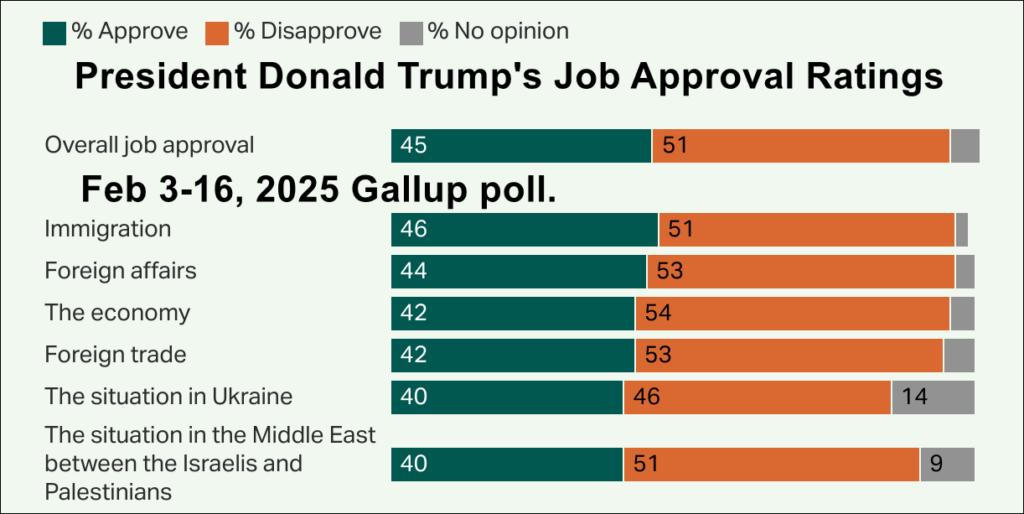
According to Gallup, the presidential approval metric is now “widely produced, aggregated, and interpreted” across many outlets, so it no longer represents the unique, distinctive data contribution Gallup once provided. The organization will instead channel resources into initiatives such as the Gallup Poll Social Series, the World Poll, and quarterly business reviews.
Political Reactions and Public Opinion
Experts say this change could influence how the media and public interpret political support. Without Gallup’s monthly approval figures, other polling organizations may shape the narrative of presidential performance. Some commentators see this shift as a sign that daily or weekly political polling is losing relevance, while others argue that public opinion metrics are more complex than such a simple number can convey.
The current political climate — with approval ratings often split sharply along partisan lines — has also challenged traditional polling methods, raising questions about response rates, sampling accuracy, and representativeness. Gallup’s research pivot acknowledges some of these challenges.
Broader Impact on Polling and Democracy
Experts believe that ending presidential approval polling may encourage more nuanced public opinion research — exploring how citizens feel about specific policies rather than just general job performance. This could improve understanding of critical issues such as economic insecurity, healthcare attitudes, social justice, and global outlooks.
For journalists, educators, and historians, Gallup’s archives will remain a rich data source, but future political reporting may rely more on aggregated polling data, AI-assisted sentiment tracking, and sophisticated analytical models. This change raises fresh questions about how democratic societies track and respond to public sentiment in real time.
What Comes Next
Gallup reassures that its broader research mission will continue to serve the public with independent, methodologically sound insights. The organization plans to expand its global surveys and thematic studies — with less focus on political figures and more on the issues that shape human lives and societies.
As the public and the press adjust to this new era, one thing is clear: Gallup’s presidential rating legacy will be remembered as a defining feature of American political analysis for generations. Future polling may evolve in ways that offer deeper insights into public priorities, attitudes, and trends, beyond the simple number that once defined presidential job approval.
Subscribe to trusted news sites like USnewsSphere.com for continuous updates.