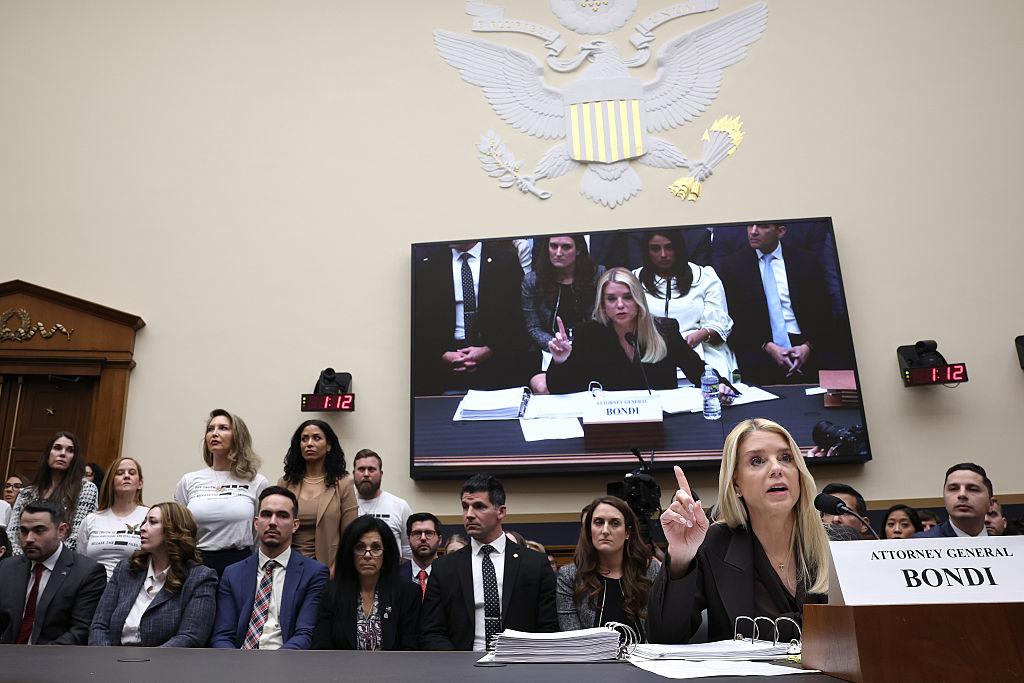
Pam Bondi Testimony on Epstein Files Sparks Fierce Capitol Clash
Attorney General Pam Bondi’s explosive testimony before the House Judiciary Committee escalated political tensions in Washington as lawmakers demanded answers on how the Justice Department handled sensitive files tied to convicted sex offender Jeffrey Epstein. Democrats and some Republicans criticized Bondi for failing to fully comply with transparency law requirements, while Bondi fiercely defended her actions and repeatedly refused direct answers. Why this matters now: This hearing comes at a crucial moment as public trust in government transparency and accountability is already low, and millions of pages of Epstein-related files are central to both political debate and potential future legal scrutiny.
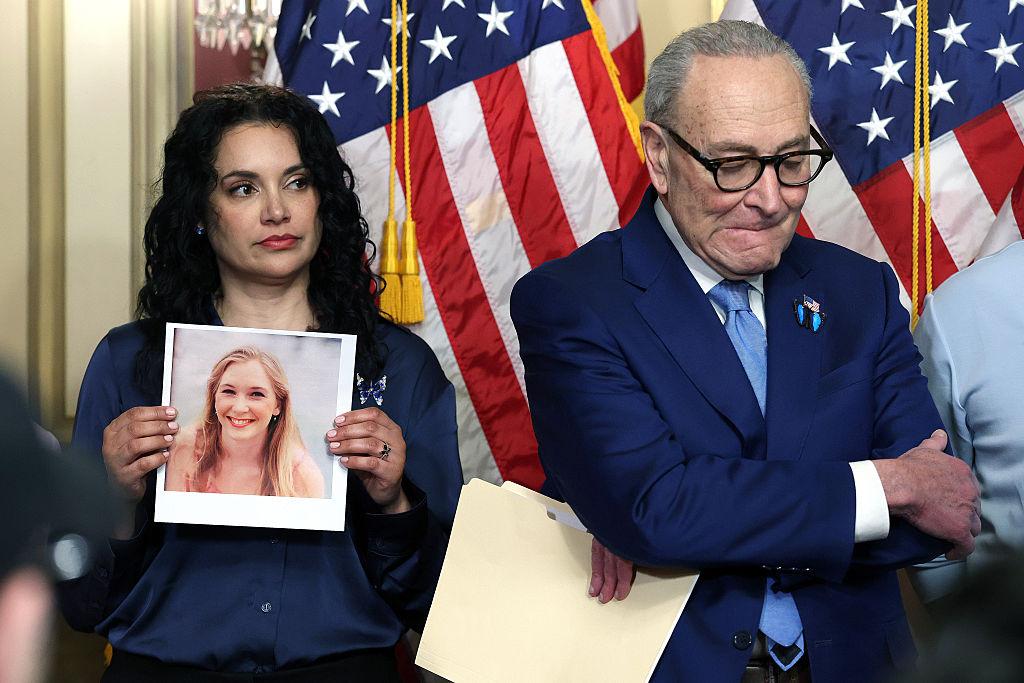
Both the legal handling of the files and the heated nature of the hearing have dominated news coverage, with pundits noting this moment will shape public perception of Justice Department oversight and influence debates leading into upcoming election cycles.
Behind the Epstein Files Transparency Fight
The core issue at the hearing was the Epstein Files Transparency Act, a law passed by Congress in 2025 requiring the Justice Department to release all unclassified documents related to Epstein within 30 days. However, when millions of pages were published, many contained poorly executed or inconsistent redactions that exposed victims’ names and intimate details, prompting bipartisan criticism.
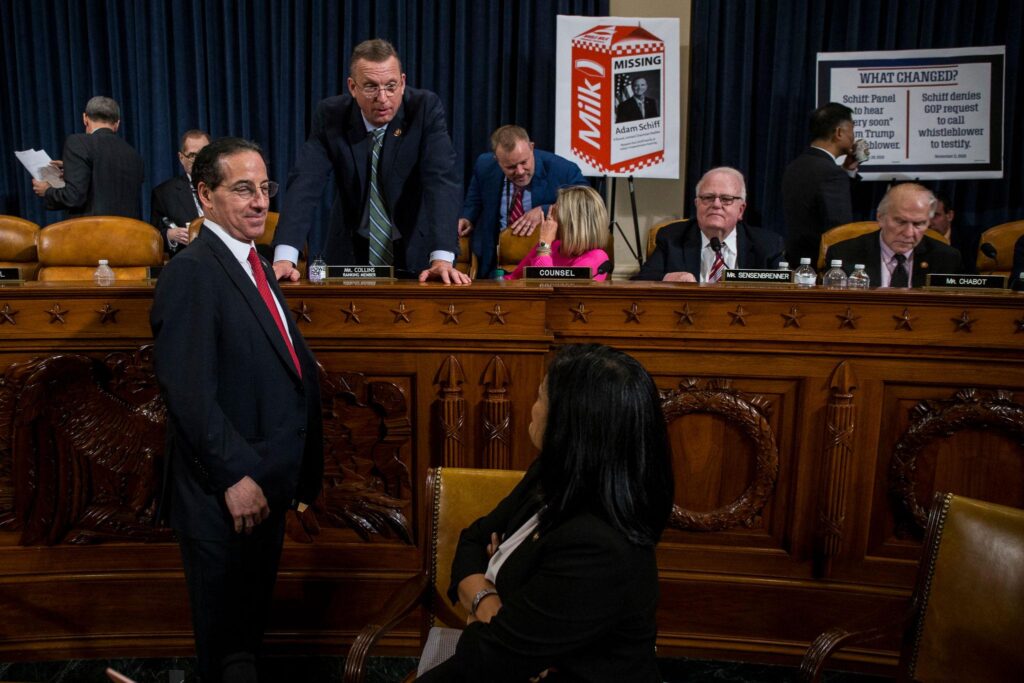
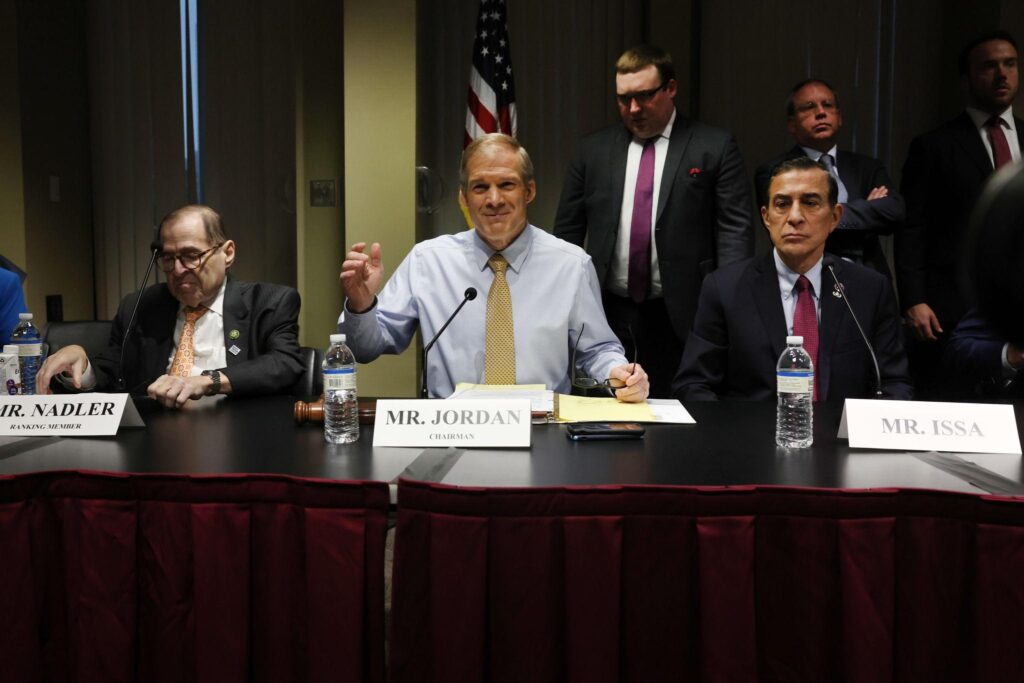
Democrats like Rep. Jamie Raskin and Rep. Pramila Jayapal pressed Bondi on why sensitive information was mishandled and why some names linked to alleged associates were redacted or withheld. Republicans, including Rep. Thomas Massie, also expressed concern over execution and accountability. Lawmakers noted that unredacted documents revealed connections between Epstein and high-profile figures, fueling public demand for complete transparency.
Bondi insisted her department acted in good faith, made corrections when concerns were raised, and followed the law as best as possible — while acknowledging that errors can occur when handling a massive volume of documents.
A Personal and Partisan Hearing
What made this session stand out from typical congressional oversight hearings was how personal and charged it became. Bondi didn’t simply defend the Justice Department’s actions — she repeatedly lashed out at Democratic lawmakers, at one point calling Rep. Raskin a “washed-up loser lawyer,” a remark that quickly made headlines and fueled criticism from both sides of the aisle.
When pressed to apologize to Epstein survivors present in the hearing room for the document redaction errors, Bondi refused, calling the request “theatrics” and refusing to engage with lawmakers in that moment. Observers described the hearing as a symptom of increasing political polarization in Washington, where hearings are as much about performance as substance.
This combative style led to an emotional atmosphere, with moments of shouting and intense exchanges between Bondi and committee members, making the testimony one of the most contentious in recent congressional history.
Transparency, Trust, and Public Reaction
Experts tracking public opinion note that confidence in government transparency is already fragile, and the mishandling of the Epstein files has significantly contributed to mistrust. Polling shows a majority of Americans are dissatisfied with how the files were released, with many believing further information is being withheld or obscured.
Advocates for victims’ rights have said that sloppy redactions that exposed private information were deeply distressing and showed a lack of sensitivity. Meanwhile, some legal analysts argue that the department’s struggles highlight the challenges of releasing vast, complex document collections in compliance with federal law.
Republican supporters of Bondi argue that the Justice Department’s focus on public safety and crime reduction shouldn’t be overshadowed by procedural criticisms — though many constitutional lawyers say that transparency is fundamental to public trust.
The Political Fallout and What Comes Next
The hearing is unlikely to be the final chapter in this controversy. Lawmakers have hinted at future legislative action to tighten oversight and accountability for document release, and some have even floated contempt citations for officials who don’t comply with transparency mandates.
At the same time, political analysts say the hearing has energized both parties’ bases: Democrats see opportunities to criticize what they call a politicized Justice Department, while Republicans view Bondi as a defender of law and order against what they call unfair attacks. This polarization could shape future congressional debates, election narratives, and public confidence in federal institutions.
The debate over how Epstein’s files are handled also has wider implications: incomplete or redacted documents limit the public’s ability to understand the full scope of wrongdoing and accountability tied to powerful individuals — making transparency not just a political issue, but a public trust one.
Why This Matters to Americans Today
This episode isn’t just about political theater — it goes to the heart of how government handles sensitive information about powerful figures and protects victims. In a moment when public trust in institutions is low, how the Justice Department complies with transparency laws has real consequences for perceptions of fairness, justice, and the rule of law.
As this story develops, readers should stay informed about new disclosures, pending legislation, and public reactions, because they will shape national conversations about justice, accountability, and how the highest levels of government operate.
Subscribe to trusted news sites like USnewsSphere.com for continuous updates.