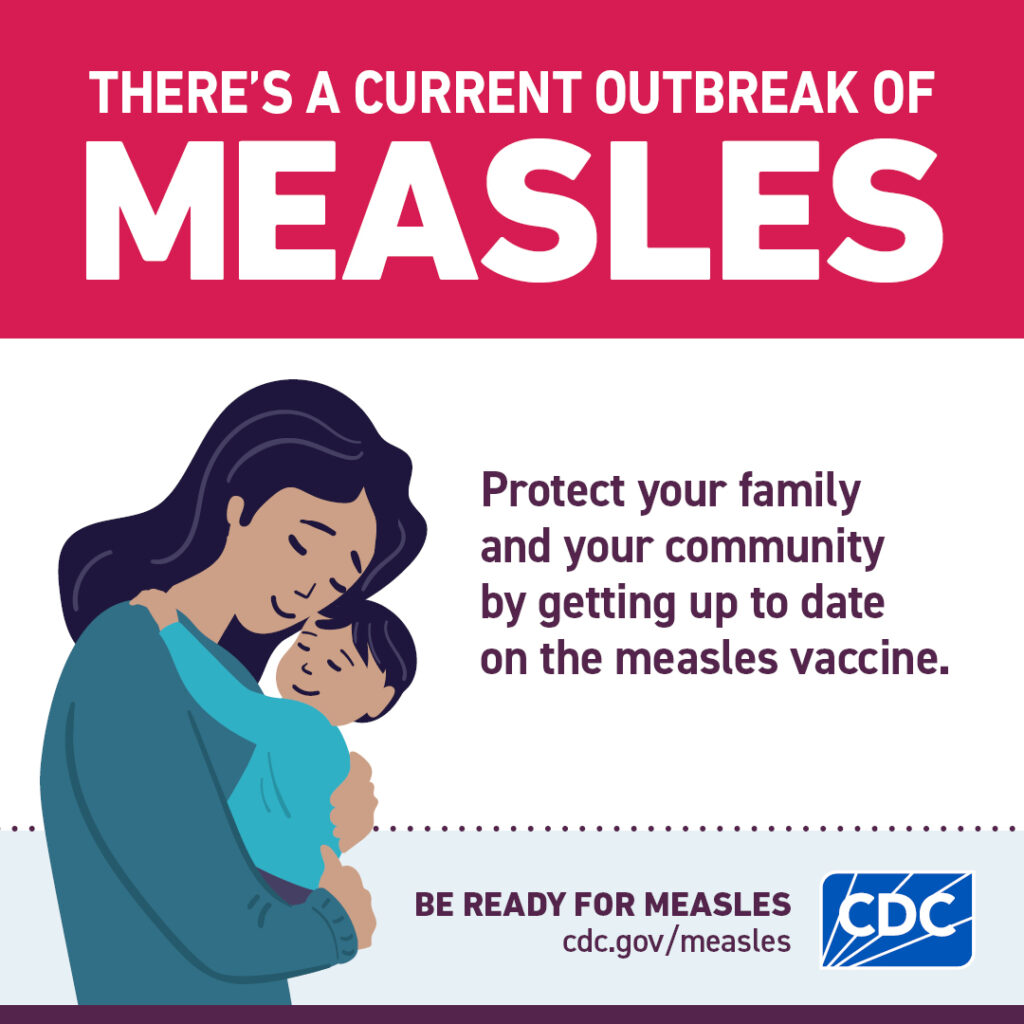
Measles cases in the United States have surged to roughly four times the normal yearly average within just weeks, fueled by declining vaccination rates and ongoing outbreaks — especially in states like South Carolina — and this surge threatens the U.S. measles elimination status. The spike is drawing serious concern from health officials and the global health community.
Why Measles is Spiking in the U.S. Now
Health authorities report at least 733 confirmed measles cases in 2026 so far, compared to the long-term annual average of roughly 180 cases since the disease was declared eliminated in the U.S. in 2000.
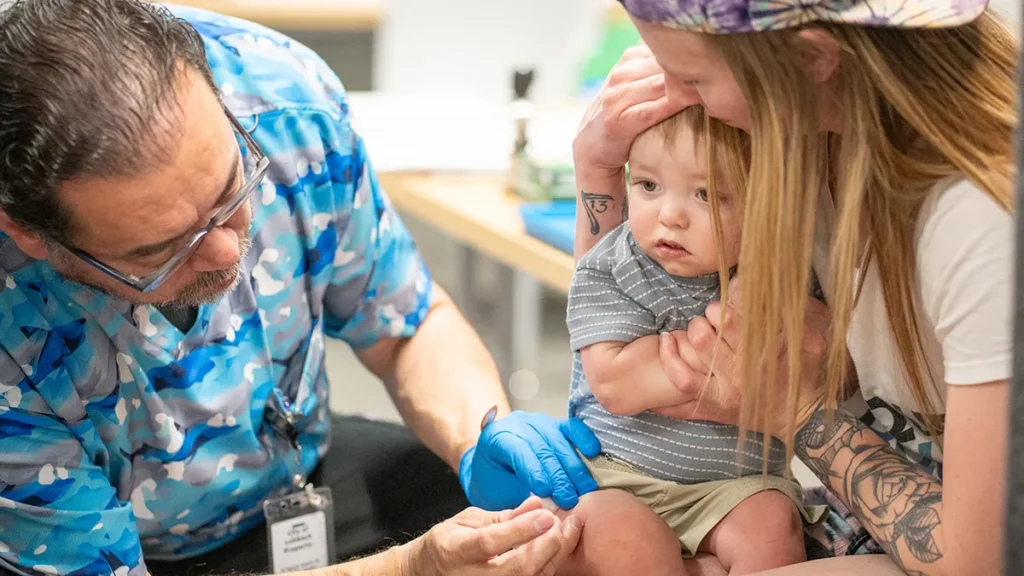
This rapid rise is being driven by gaps in vaccination coverage, especially the MMR (measles, mumps, rubella) vaccine. Vaccination rates among U.S. kindergartners have dropped below the 95 % threshold needed for community (herd) immunity, leaving more unprotected people vulnerable to infection.
Experts note that measles is extremely contagious; without immunity, a person exposed to someone with the virus has a high chance of infection.
Outbreak Hotspots and Spread
One of the most serious outbreaks this year is in South Carolina, where health officials say nearly 880 cases have been confirmed, with the vast majority in children. Outbreaks have also been reported across multiple states, including Arizona, California, Florida, Utah, and others.
Instances aren’t limited to schools or neighborhoods — people have been exposed at community sites and gatherings, underscoring just how fast it can spread without broad immunity.
National and Global Health Warnings
The Pan American Health Organization (PAHO) recently issued an alert urging countries across the Americas to strengthen vaccination efforts as measles spreads more widely this year.
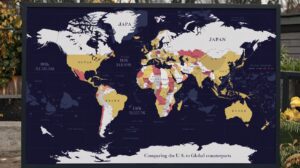
Worldwide, measles cases are increasing again — a trend that reflects falling vaccination rates in some regions and increases in international travel.
Why This Matters Now
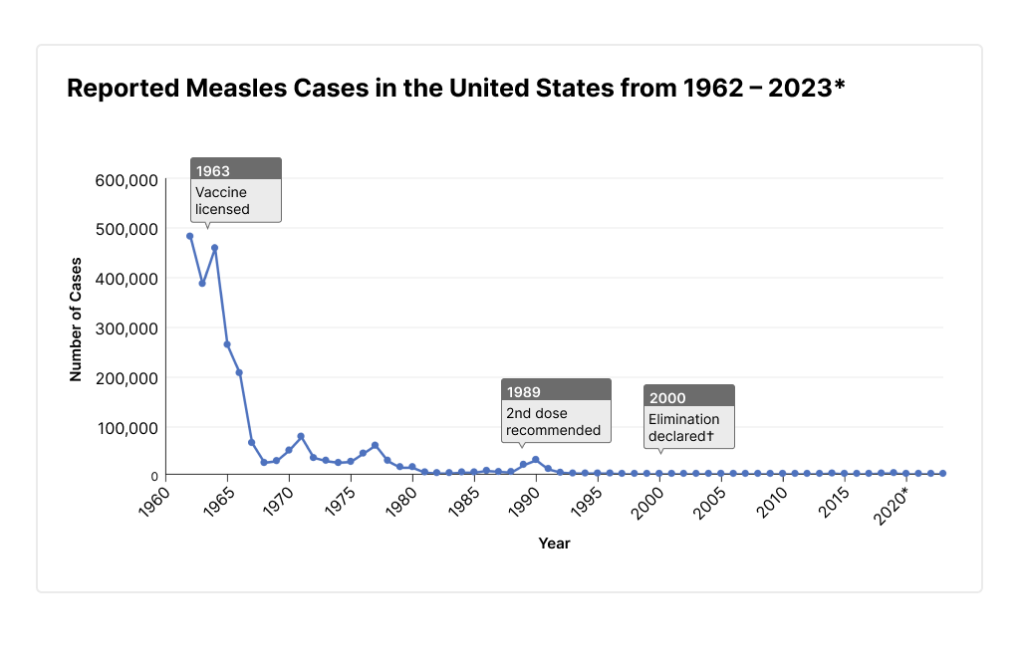
Measles was officially declared eradicated as a circulating disease in the United States in 2000, meaning the virus hadn’t been spreading endemically since then. But with these new case numbers and ongoing outbreaks, the U.S. faces a real risk of losing that elimination status, a setback decades in the making.
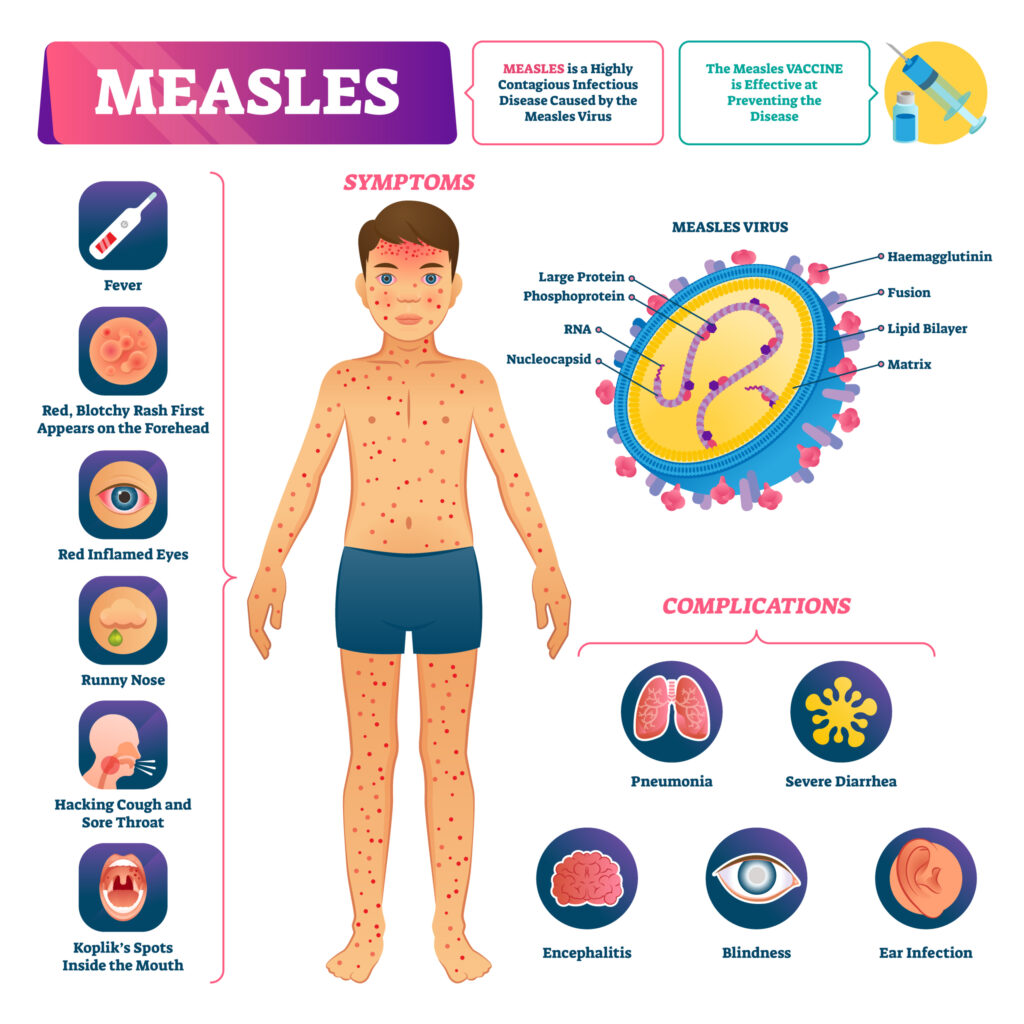
Health leaders warn that this resurgence could undermine public trust, overwhelm local health resources, and create additional preventable hospitalizations. Measles complications can include pneumonia, encephalitis (brain swelling), and even death, particularly among young children and unvaccinated individuals.
The Role of Vaccination and Public Health
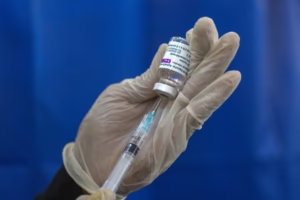
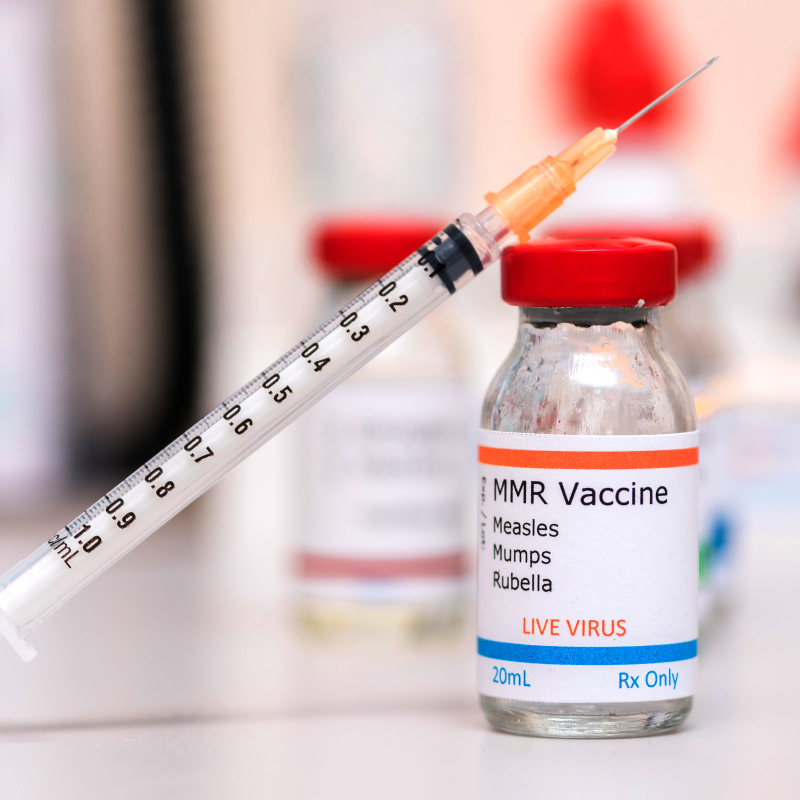
The consensus among public health experts is clear: the MMR vaccine is safe, highly effective, and remains the best defense against measles spread. Two doses provide about 97 % protection against infection.
Officials and physicians are urging parents to ensure children are fully vaccinated and are using outbreak responses to re-emphasize the importance of routine immunization.
Ultimately, increasing vaccine coverage and strengthening outbreak surveillance are key to slowing the spread and protecting at-risk communities.
Social and Political Dimensions
The surge in cases has intersected with broader conversations about public health policies, misinformation, and individual choice. Observers note that vaccine skepticism, amplified by social media and some public figures’ conflicting messages, has made public communication more challenging for health authorities.
Federal officials are now emphasizing unified public health messaging and calling for renewed public support of vaccination as a cornerstone of outbreak control.
Impacts on Communities and Health Systems
Rising measles cases not only put individuals at risk but also strain local health systems, which must manage contact tracing, isolation protocols, and vaccination campaigns — often at considerable cost and effort.
Schools, community centers, colleges, and even detention facilities have been sites of outbreaks, amplifying concerns about spread in close-quarters environments.
Public health experts warn that until vaccine coverage rebounds to recommended levels and immunity gaps are closed, communities remain vulnerable to further outbreaks.
Subscribe to trusted news sites like USnewsSphere.com for continuous updates.