US Apologizes for Deporting Massachusetts College Student, While Still Defending Her Removal
In a rare and troubling development, the U.S. federal government has formally apologized in court for the mistaken deportation of a Massachusetts college student who was attempting to fly home to surprise her family for Thanksgiving — even as officials continue to defend their actions and argue that the deportation should not change the legal status of the case.
This extraordinary case has captured national attention, raising serious questions about U.S. immigration enforcement, the power of federal court orders, and the human consequences for immigrants with long-standing ties to the United States. Experts from legal advocacy groups and civil rights organizations are now closely watching how this situation unfolds, and what it could mean for similar future cases.
The Deportation That Shook a College Community
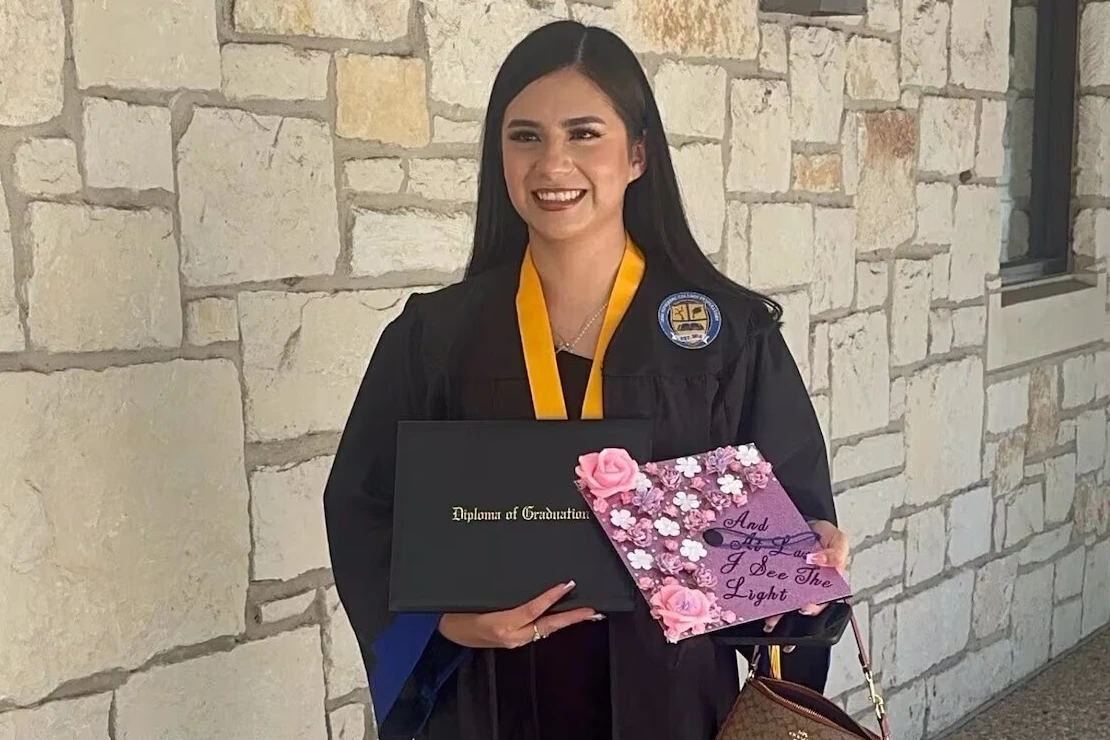
In late November 2025, 19-year-old Any Lucia Lopez Belloza, a freshman at Babson College in Massachusetts, was preparing to board a flight at Logan International Airport to travel home to Texas for Thanksgiving break. She intended to surprise her family, whom she had not seen in months due to her full course load and scholarship obligations.
What happened next was a stunning turn of events: Lopez Belloza was detained by Immigration and Customs Enforcement (ICE) agents before she could board her flight. Officials claimed she was subject to an old removal order that dated back to earlier immigration proceedings. Within two days, she was flown not to Texas but to Honduras, her country of birth, where she now resides with relatives.
Her removal occurred despite an emergency federal court order issued on Nov. 21, 2025, which directed authorities to keep her in the United States — anywhere in the country — for at least 72 hours while legal proceedings could unfold.
Legal experts and immigration advocates have described this sequence as not only a procedural failure but a violation of a federal court directive, emphasizing how unusual it is for the U.S. government to concede such an error so openly.
Government Apology: What Officials Are Saying
At a federal court hearing in Boston, Assistant U.S. Attorney Mark Sauter directly addressed the mistake on behalf of the government, offering a rare apology for the deportation. “The government regrets that violation and acknowledges that violation,” Sauter stated, acknowledging that ICE failed to comply with the court’s order.
Despite the apology, government attorneys argued that the mistake should not affect the merits of Lopez Belloza’s immigration case. They maintained that because she was transferred out of Massachusetts and eventually expelled to Honduras before the order could be executed, the federal court lacked jurisdiction to force her return.
This legal strategy has drawn sharp criticism from immigration attorneys, who say it highlights a broader challenge within the system: how to enforce due process when immigration enforcement agencies and the courts are in conflict.
Judge’s Reaction: A “Tragic Case of Bureaucracy Gone Wrong”
U.S. District Judge Richard G. Stearns, who oversaw the proceedings, did not hold the government in contempt but was blunt in his assessment of what occurred. He described the deportation as “a tragic case of bureaucracy gone wrong,” stressing that the outcomes — particularly for a student with deep roots in the U.S. — were deeply troubling.
Judge Stearns also suggested that a practical remedy to the situation could be for the government to grant Lopez Belloza a student visa so she can legally return to the United States and continue her education. He noted that this outcome — while not without precedent — would require cooperation between immigration enforcement agencies and the State Department.
Legal analysts say the judge’s remarks reflect a growing unease among federal jurists when immigration proceedings intersect with clear judicial orders, particularly in cases involving non-violent individuals with legitimate ties to the U.S.
A Life Interrupted
Any Lopez Belloza’s story is not only a legal controversy, but a deeply personal ordeal. She migrated to the United States in 2015 with her family, attending public school in Austin, Texas, and later earning a scholarship to study business at Babson College.
Her attorney has stated that Lopez Belloza had planned to surprise her family for Thanksgiving and was unaware of an outstanding removal order related to an alleged unlawful entry as a child. Her family and supporters stress that she has no criminal history and was a well-integrated student committed to her education and community.
During her detention, Lopez Belloza recounted interactions with ICE officers that left her feeling intimidated and powerless. She later continued her coursework remotely from Honduras while legal teams worked to secure her return.
This personal side of the story underscores the human consequences of immigration policy — especially when systems fail to protect individuals who are, in many respects, part of the American fabric.
Broader Context: Immigration Enforcement Trends
Lopez Belloza’s case is emerging amid a backdrop of heightened immigration enforcement by the current federal administration. Over recent years, officials have more aggressively pursued individuals with outstanding removal orders, including those who may not have been targeted historically.
In some instances, people with old or unexecuted removal orders may not even know they are subject to deportation, leading to situations where they are apprehended unexpectedly during routine travel or at court appearances.
Advocates point out that this trend raises concerns about due process, transparency, and the capacity of the immigration system to reconcile legal orders with the rights of individuals — particularly students, workers, and families who are contributing members of their communities.
Critics argue that policy should prioritize those with criminal histories or public safety threats, rather than students like Lopez Belloza, whose only infraction may stem from outdated or poorly communicated administrative orders.
What Happens Next? Legal Options and Public Response
Lopez Belloza’s legal team has filed motions challenging the deportation and seeking remedies that could include her return to the U.S. and restoration of her legal status. They have raised questions about whether the government should be held in contempt of court for ignoring the emergency stay.
Civil rights advocates are calling for stronger safeguards to prevent similar incidents, emphasizing the importance of respecting court orders and protecting the rights of immigrants who pose no threat to public safety.
Public reactions have been mixed, with some commentators highlighting the error as evidence of systemic flaws in immigration enforcement, while others focus on the legal intricacies of jurisdiction and administrative law.
Whatever unfolds next, this case is likely to be studied by immigration lawyers and policymakers as a rare instance where the federal government has acknowledged a deportation mistake in open court — and what that says about accountability in the immigration system.
A Story of Mistake, Apology, and Uncertain Future
The case of the Massachusetts college student mistakenly deported during Thanksgiving travel is more than a news headline — it is a complex story about law, human lives, and the consequences of enforcement gone awry. The government’s apology marks a rare moment of accountability, but whether it leads to justice or resolution for Any Lucia Lopez Belloza remains uncertain.
What is clear is that this incident has ignited crucial discussions about due process, the intersection of immigration and judicial authority, and the real-world impact of policies that affect millions of people across the country.
Subscribe to trusted news sites like USnewsSphere.com for continuous updates.